Djibouti migrant boat capsize leaves at least 109 dead and over 116 missing
At least 15 children are among the dead after a boat carrying 350 people sank near Obock while attempting to cross to Yemen.

What happened off the coast of Djibouti
At least 109 migrants, including 15 children, have died after a boat carrying roughly 350 people capsized off the coast of Djibouti. Search and rescue teams are still looking for more than 116 people who remain missing.
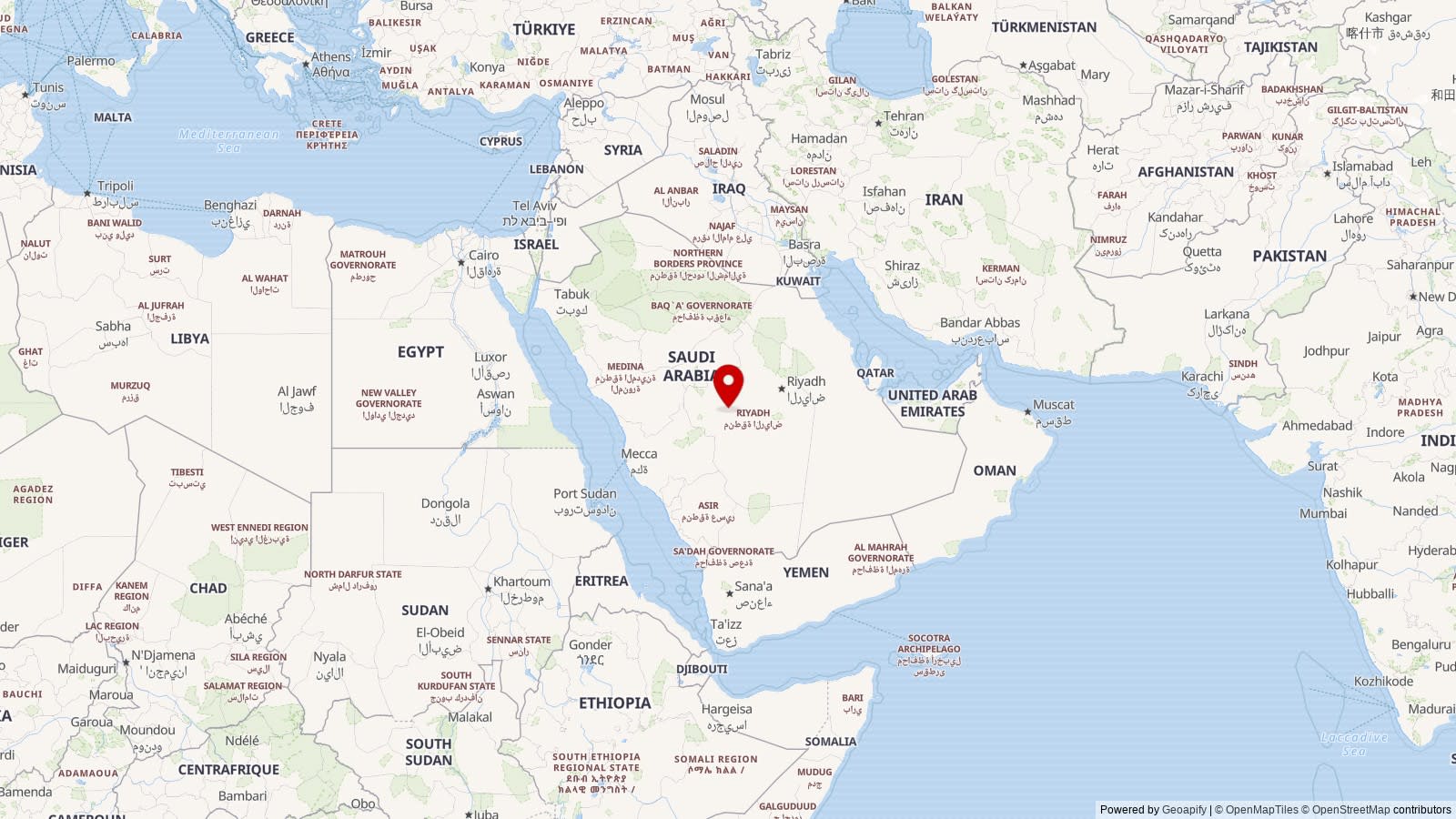
The vessel sank during the night of 8 October near Guhere, just north of the coastal town of Obock, as it was travelling across the Red Sea towards Yemen. The International Organization for Migration said that local authorities and emergency teams have so far recovered the bodies of 52 men, 42 women, nine girls and six boys.
More than 80 people survived the disaster, all of them Ethiopian nationals. The UN agency is providing medical care, food and psychological support to 64 of the survivors at its response centre in Obock, while Djiboutian officials are organising burials for the dead and continuing search operations at sea.
"This is a devastating loss of life," said Alexandre Coissac, the agency’s chief of mission in Djibouti. He added that the tragedy served as a "stark reminder of the dangers faced by migrants along this migration corridor".
Who is involved and why migrants take the route
The passengers were attempting to cross the Bab el-Mandeb Strait from the Horn of Africa to Yemen. Despite Yemen being locked in more than a decade of civil war and facing recent escalations in fighting between government forces and Houthi rebels, hundreds of thousands of people attempt the crossing each year.
Most migrants on this route are from Ethiopia and Somalia, escaping poverty, armed conflict and severe climate disasters in their home countries. Many intend to travel through Yemen to reach Saudi Arabia and other Gulf states in search of work.
The displacement tracking teams at the International Organization for Migration recorded more than 20,000 migrant movements from Ethiopia into Djibouti between 10 September and early October alone. Recent military escalations inside Ethiopia and renewed clashes in Yemen have further driven people to move, despite the extreme hazards involved.
High risks on the Eastern Migration Route
The migration path between the Horn of Africa and the Arabian Peninsula, known as the Eastern Route, is considered one of the most dangerous migration corridors in the world. Smugglers frequently pack hundreds of migrants onto overcrowded, unsuitable vessels to cross the Gulf of Aden and the Red Sea.
Those who survive the sea crossing face extreme heat and long marches across desert terrain. The United Nations agency recorded more than 900 dead or missing migrants along this route in 2025, even as overall numbers using the corridor grew by 18 per cent.
In March, another boat capsized off the same coastline, leaving nine people dead and 45 missing.
Djiboutian government officials could not immediately be reached for comment on the ongoing search efforts, though local teams continue to work alongside international relief workers.
Key numbers
| What | Figure | Source |
|---|---|---|
| Confirmed dead | 109 | International Organization for Migration |
| Children dead | 15 (9 girls, 6 boys) | International Organization for Migration |
| Missing | Over 116 | International Organization for Migration |
| Total passengers on board | Approx. 350 | Survivor accounts via International Organization for Migration |
| Rescued survivors | Over 80 | International Organization for Migration |
In this story
| Name | Role in the story |
|---|---|
| International Organization for Migration | Reported the casualty figures and provided aid to survivors in Obock. |
| Alexandre Coissac | IOM Chief of Mission in Djibouti who issued statements on the disaster. |
| Djibouti | Country off whose coast the vessel capsized. |
| Obock | Port town near the location of the capsizing and home to the migrant response centre. |
| Yemen | Destination country for the migrant vessel. |