Hong Kong jails Tiananmen vigil organisers for up to seven years
The sentencing of three prominent activists marks the end of an era for open dissent in the territory.
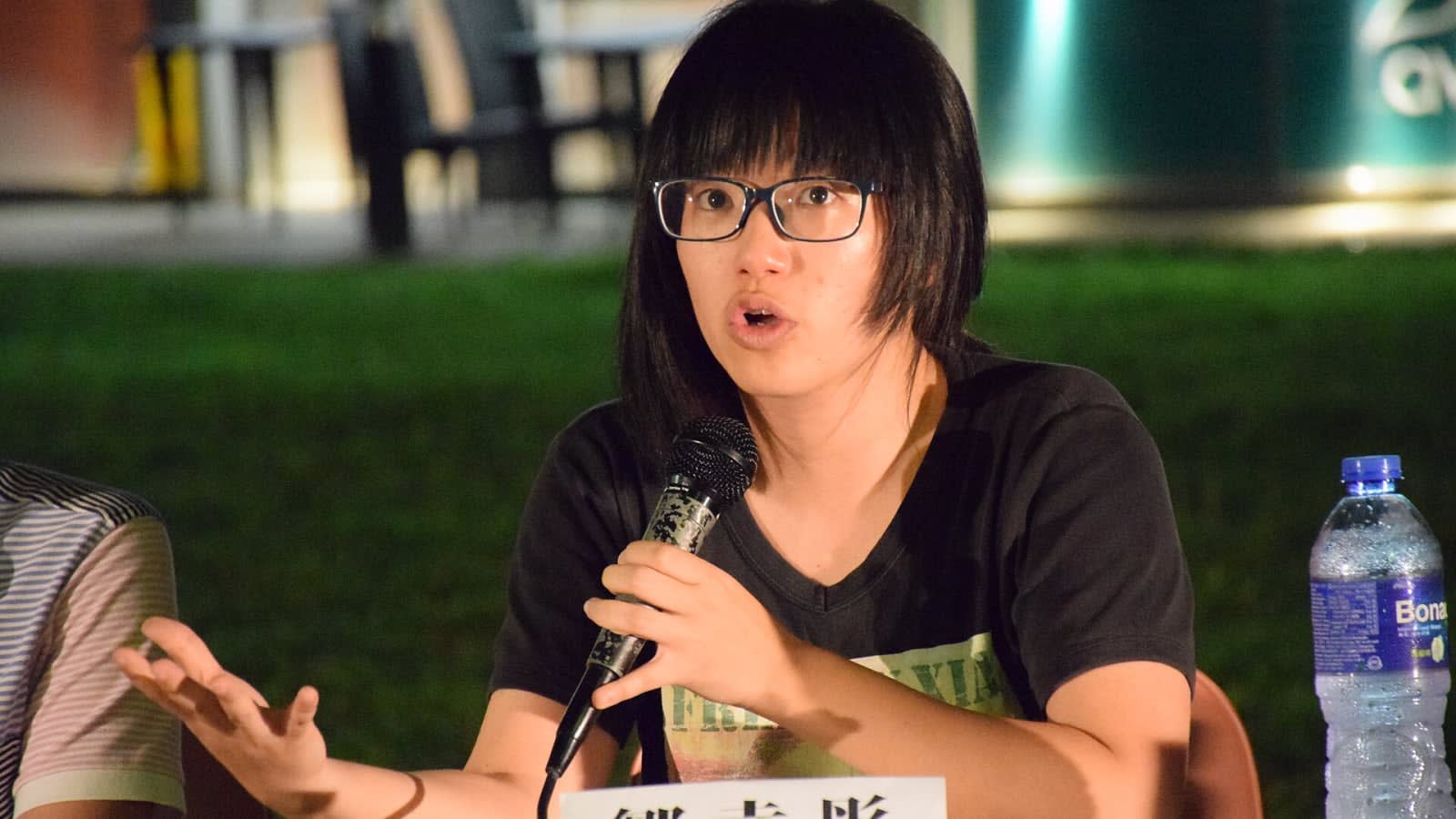
Three of Hong Kong's most prominent pro-democracy activists have been sentenced to long prison terms for organising the city’s annual vigils commemorating the Tiananmen Square massacre.
On Friday, a Hong Kong court sentenced Chow Hang-tung, a 41-year-old barrister, to seven years and three months in prison. Lee Cheuk-yan, 69, received a seven-year sentence, while 74-year-old former lawmaker Albert Ho was jailed for five years and two months. The now-disbanded group they led, the Hong Kong Alliance in Support of Patriotic Democratic Movements of China, was also fined HK$1.5 million (£142,000).
The three had been held in custody since 2021 on charges of inciting subversion under the national security law Beijing imposed on the territory in 2020. Ho pleaded guilty in January, while Chow and Lee were convicted after a trial in August.
At the heart of the prosecution was a political slogan. For more than three decades, the Alliance had used the phrase "end one-party dictatorship" at its rallies. The three government-approved judges ruled that this slogan actively encouraged people to dismantle the leadership of the Chinese Communist Party, which they deemed an attempt to overthrow state power by unlawful means.
For thirty years, Hong Kong was the only place on Chinese soil where people could gather publicly to remember the hundreds, possibly thousands, of student-led pro-democracy protesters killed by Chinese troops in Beijing on 4 June 1989. Every year, tens of thousands of people packed Victoria Park, holding candles in a mass display of dissent that came to symbolise Hong Kong’s unique freedoms.
Those gatherings were banned in 2020 under the cover of pandemic restrictions and have never been allowed to resume.
The defendants remained defiant as the sentences were handed down. Chow, who represented herself during the trial, smiled at the packed public gallery and blew a kiss. She has previously said she has "nothing to repent for" and is willing to pay the price for democracy. Lee appeared to pray as he was led away.
Outside the court, Lee's wife, Elizabeth Tang, said the sentence was "really unacceptable" and confirmed that Lee plans to appeal. "Every time the Alliance had an activity, they would get police permission," she said, reflecting on how quickly the city’s political environment has shifted. "The vigils are what made Hong Kong different. Complete silence is really very scary."
Chow's mother, Medina, urged supporters outside the court not to lose heart. "Above all, do not feel guilty," she said.
Human rights organisations and foreign governments quickly condemned the court's decision. Amnesty International's deputy regional director, Sarah Brooks, called the sentencing a "triple tragedy" for the activists, the survivors of the 1989 crackdown, and generations of Hongkongers who have lost the freedom to discuss their own history.
Taiwan’s Mainland Affairs Council also criticised the ruling, accusing Hong Kong authorities of fabricating charges and conducting political trials "to shield an authoritarian regime."
What happens next?
Lee Cheuk-yan's legal team has confirmed he intends to appeal against the sentence. Chow Hang-tung, who has been in custody since 2021, remains a focal point of international calls for her release, including a recent appeal she wrote from prison to the British Prime Minister, Andy Burnham, urging a tougher diplomatic stance on China. Meanwhile, the heavy fines and custodial sentences have cemented the dissolution of the Hong Kong Alliance, ensuring that public commemorations of the Tiananmen Square crackdown remain entirely outlawed in the city.
Key numbers
- 7 years and 3 months
- 7 years
- 5 years and 2 months
- HK$1.5 million ($191,000)
Questions readers are asking
Why were the Tiananmen vigils banned?
The Hong Kong government initially banned the annual candlelit vigils in 2020, citing Covid-19 social distancing measures. However, the gatherings were never permitted to resume after the Beijing-imposed national security law came into effect that same year.
What was the legal basis for the convictions?
The activists were convicted of "inciting subversion" under the 2020 national security law. The prosecution focused on the group's long-standing slogan, "end one-party dictatorship," which the court ruled was an attempt to undermine and overthrow the leadership of the Chinese Communist Party.