India warns of threat to US ties as House passes 100% tariff bill over Russian oil
A newly passed US House bill gives Donald Trump the power to slap maximum tariffs on India as Russian crude imports hit record highs.
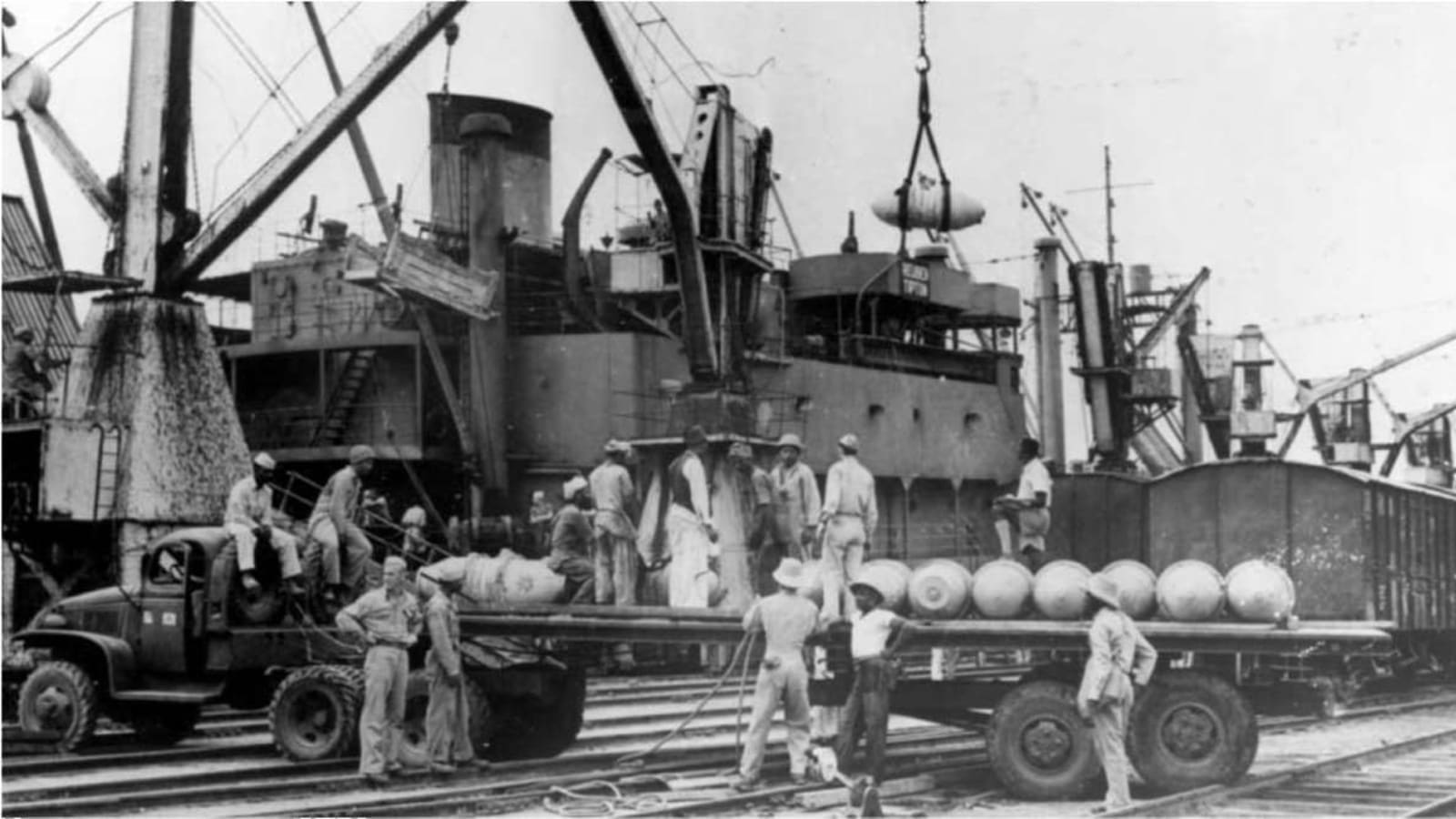
The US House of Representatives has passed a sweeping sanctions bill that threatens up to 100 per cent tariffs on major buyers of Russian oil, putting India's massive energy trade with Moscow squarely in the crosshairs.
In response, New Delhi has warned Washington that the move could damage bilateral relations and destabilise global energy markets. The Indian foreign ministry said it has "very clearly articulated" these concerns to US officials, adding that it will take all necessary measures to protect its economic interests.
The legislation, named the Lindsey O. Graham Sanctioning Russia and Iran Act of 2026, passed the House in a 262-159 vote and now heads to Donald Trump’s desk to be signed into law. It targets Russia’s "shadow fleet" of tankers and allows the US president to impose punitive tariffs of up to 100 per cent on the top five buyers of Russian energy.
For India, the timing is perilous. Official data shows that in July, Russia supplied nearly 52 per cent of India’s crude imports—amounting to 11 million tonnes. That is more than India imported from the UAE, Saudi Arabia, Venezuela, Brazil, Oman, and the US combined.
Because of high global prices, India's Russian oil bill for July alone doubled to $7.3 billion, compared to $3.6 billion in the same month last year.
Since the invasion of Ukraine in 2022, India has capitalised on discounted Russian crude, saving an estimated $12.6 billion according to the Council on Energy, Environment and Water. But those savings are now being weighed against the threat of losing access to the lucrative US market.
The US imported $104 billion worth of Indian goods in 2025, spanning electronics, pharmaceuticals, and machinery. If Trump decides to levy a 100 per cent tariff on these exports, the impact on India's economy would dwarf the savings made on Russian crude.
Some trade analysts suggest the bill is a negotiating tactic. Ajay Srivastava, a former Indian trade official who runs the Global Trade Research Initiative, called the bill a "blunt and dangerous attempt to pressurise India" into a one-sided trade deal. He argues that Washington could threaten the maximum tariff, only to offer a lower rate if Delhi cuts Russian purchases.
"India buys Russian oil to secure affordable energy for 1.4 billion people, not to finance war," Srivastava said.
Yet, finding alternative oil is not easy. India imports over 88 per cent of its crude oil, and its refineries are calibrated for specific grades. S&P Global warned that replacing Russian supplies would drive up shipping, freight, and insurance costs, putting upward pressure on global prices.
In Washington, the bill has also faced domestic criticism. House Democratic leader Hakeem Jeffries voted against it, warning that the bill contains "so many loopholes" that it might fail to hurt Russia while giving Trump "unfettered authority to unleash tariffs."
Whether Trump will grant India a waiver remains unclear. But as the legislation nears his desk, New Delhi is left calculating how much longer its cheap Russian oil remains a bargain.
Key numbers
- 51.8%
- $7.3 billion
- $12.6 billion
- $104 billion
- 262 to 159