
Indian Navy to commission anti-submarine warfare craft Mangrol in Mumbai
Built with over 80% domestic parts, the new vessel is designed to hunt submarines in shallow coastal waters where larger warships cannot easily operate.
Protecting India's coastlines
The Indian Navy is scheduled to commission its latest anti-submarine warfare shallow water craft, the Mangrol, at the Naval Dockyard in Mumbai on Monday, 12 October 2026. The new ship is designed to patrol coastal approaches, harbours, and ports, stepping into shallow waters where larger warships face operational constraints.
Built by Cochin Shipyard Limited, the Mangrol is the third vessel of its class to be inducted. Vice Admiral Sanjay Vatsayan, the Flag Officer Commanding-in-Chief of the Western Naval Command, will preside over the commissioning ceremony. The event will bring together defence officials, representatives from the Ministry of Defence, shipbuilders, and the domestic manufacturers behind the vessel's weapons and sensors.
Tailored for shallow-water operations
Operating close to the shore presents unique tactical challenges. Large destroyers and frigates have deep drafts that prevent them from navigating safely in shallow bays and river mouths. The Mangrol, however, is built specifically to bridge this gap.
To ensure high manoeuvrability, the ship is powered by three diesel engines driving a waterjet propulsion system instead of traditional propellers. This configuration allows it to turn quickly and operate efficiently in shallow environments.
For detecting and neutralising underwater threats, the Mangrol is equipped with an Abhay hull-mounted sonar. Its offensive and defensive systems include lightweight torpedoes, an indigenous anti-submarine rocket launcher, and the Mareech Advanced Torpedo Decoy System, which misdirects incoming enemy torpedoes.
While its primary role is anti-submarine warfare, the ship is a multi-role platform. The Navy plans to deploy it for underwater surveillance, low-intensity maritime security operations, and mine warfare-related tasks. It is designed to work in tandem with maritime patrol aircraft, helicopters, and larger warships to form a coordinated defensive shield.
Local design and historical legacy
The commissioning is being framed as a milestone for India's domestic defence industry. Over 80% of the Mangrol's components are indigenous, built under the government’s 'Make in India' and 'Aatmanirbhar Bharat' initiatives. This domestic sourcing includes many of the sophisticated weapons and sensor suites integrated into the vessel.
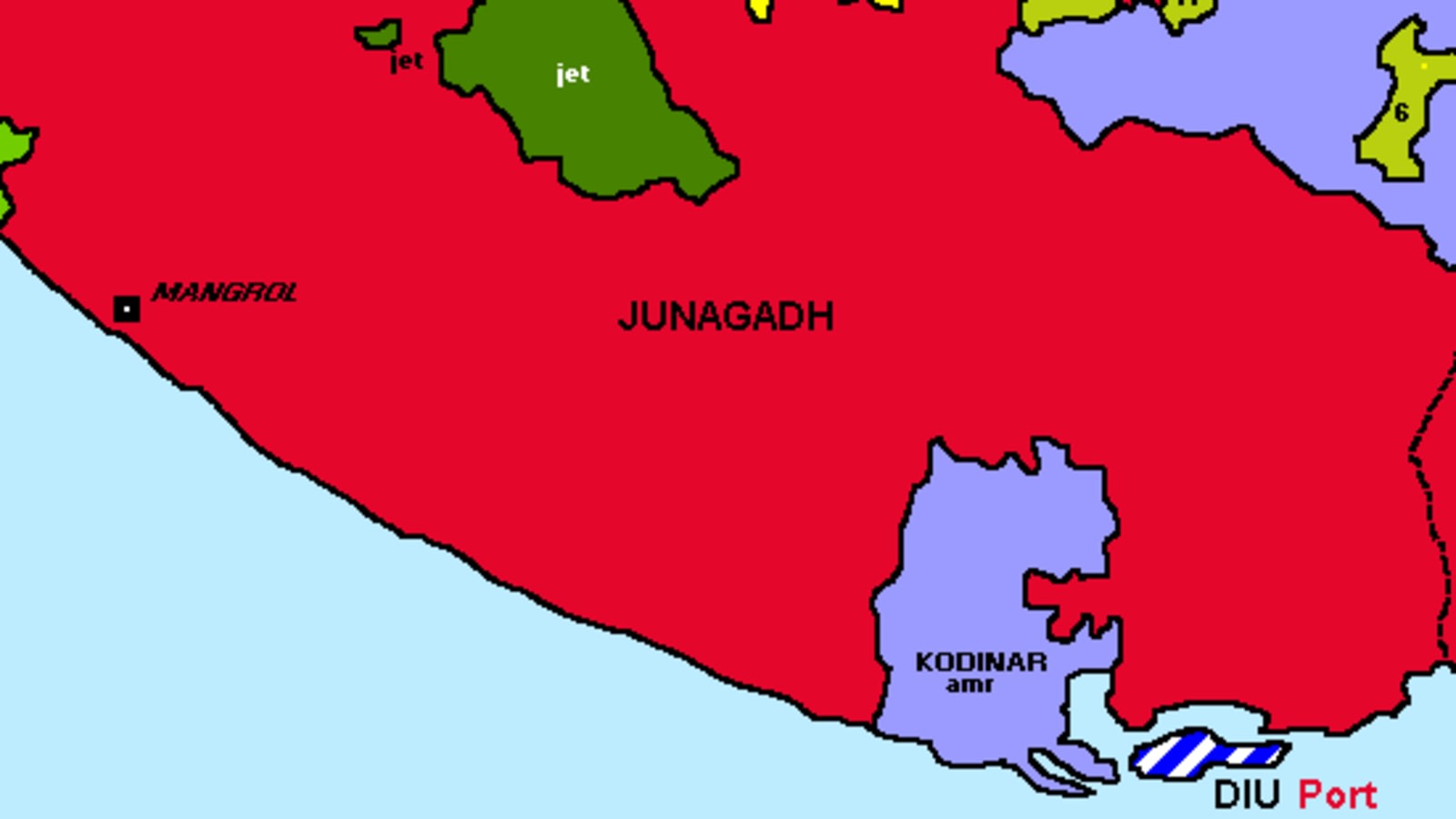
The ship is named after the coastal fishing town of Mangrol, located in the Junagadh district of Gujarat. The name is also a nod to naval history: it was previously borne by the INS Mangrol (M85), a minesweeper that served the Indian Navy for decades before it was decommissioned on 7 April 2004.
Key numbers
| What | Figure | Source |
|---|---|---|
| Indigenous content on the Mangrol | Over 80% | Indian Navy |
| Commissioning date | 12 October 2026 | Indian Navy |
| Decommissioning date of the previous INS Mangrol | 7 April 2004 | Indian Navy |
In this story
| Name | Role in the story |
|---|---|
| Mangrol | The new anti-submarine warfare shallow water craft being commissioned. |
| Indian Navy | The military branch commissioning the new anti-submarine warfare vessel. |


