Iran prepares plans to strike Gulf subsea cables and AI hubs if war resumes
Tehran warns it will target subsea internet lines, data centres, and oil sites across seven Gulf nations if US and Israeli strikes restart.
Tehran has prepared detailed military plans to target undersea internet cables, data centres, and artificial intelligence infrastructure across the Persian Gulf if the United States and Israel launch a new round of attacks against Iran.
Senior Iranian security officials disclosed that the planned strikes would extend across as many as seven regional countries, aiming to dismantle the digital and economic infrastructure supporting Western military operations. Mohsen Rezaei, secretary of Iran’s Supreme National Security Council, warned that Tehran will no longer observe any operational boundary if hostilities resume.
Iranian officials confirmed the strategy involves preventing maintenance crews from carrying out repairs after initial strikes, prolonging disruptions to commercial communication networks, e-commerce, and financial processing.
Escalating threats in the Strait of Hormuz
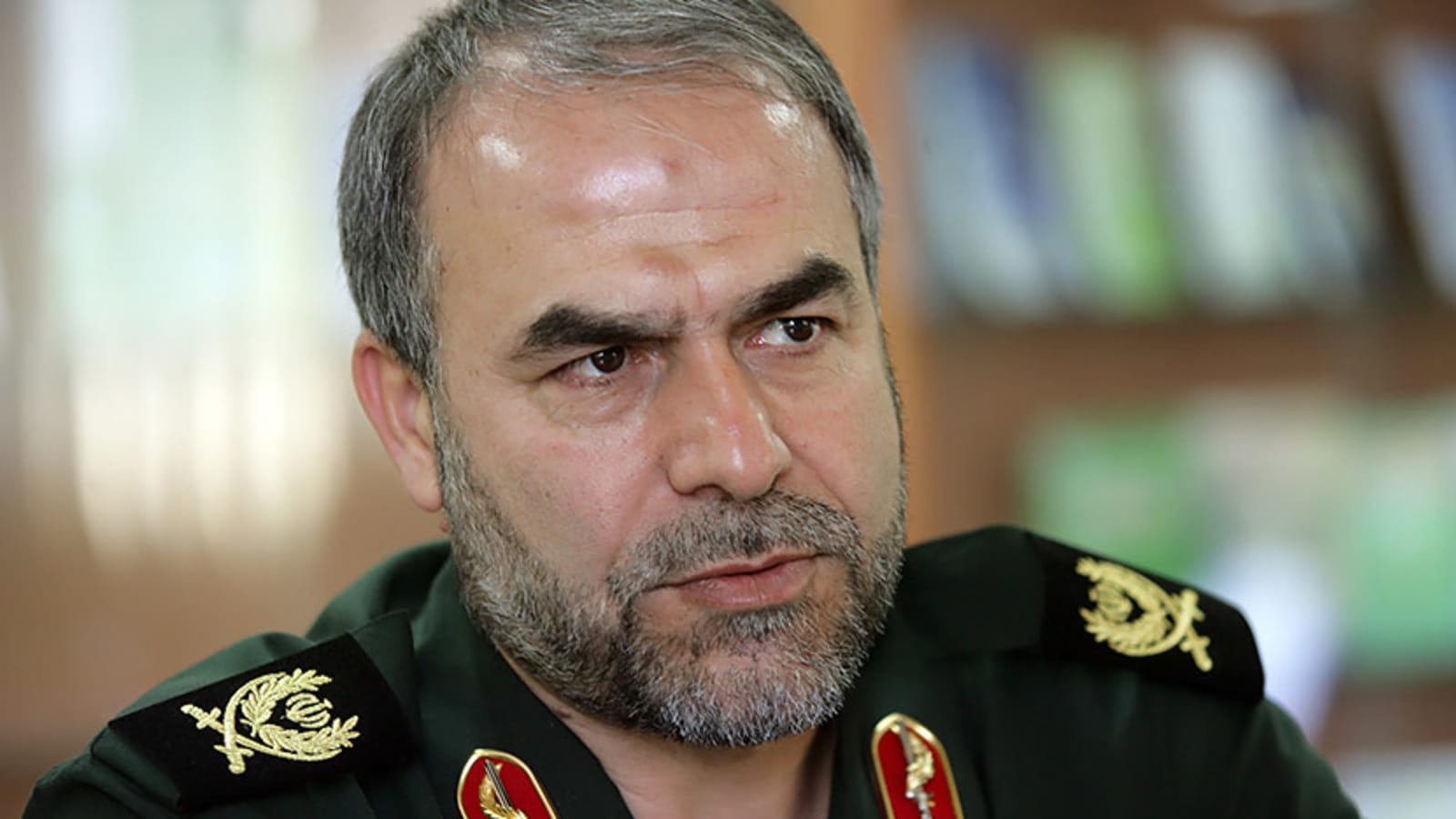
Yadollah Javani, deputy head of political affairs for Iran’s Islamic Revolutionary Guard Corps, stated that seven major subsea communications cables running beneath the Strait of Hormuz are designated targets. The Revolutionary Guard has also designated energy assets, port facilities, and regional tech infrastructure operated by American technology firms as operational targets.
| Location or Asset | Traffic or Capacity Share | Operational Vulnerability |
|---|---|---|
| Global subsea cable network | 99% of international data | High risk to transoceanic traffic |
| Strait of Hormuz cables | Less than 1% of global bandwidth | Localised Gulf service degradation |
| Red Sea cable corridor | 3% of global bandwidth | Vulnerable to broader regional proxy action |
Despite Tehran's threats, telecommunications analysts note that the global systemic impact of cutting lines in the Strait of Hormuz would be limited. Research firm TeleGeography estimates that less than one per cent of international bandwidth passes through the strait, meaning traffic could be rerouted through alternative terrestrial connections and global subsea loops, even if local Gulf network speeds drop.
Diplomatic deadlock and military positioning
The Iranian warnings come as joint United States and Israeli military preparations intensify across the region. US Defence Secretary Pete Hegseth met Israeli Prime Minister Benjamin Netanyahu in Israel this week to discuss potential strike timing, while Washington completes a naval buildup expected to position three aircraft carrier strike groups in Middle Eastern waters by early November.
Regional tensions have already driven Brent crude oil prices to $113.40 a barrel, fueled by intelligence reports of planned allied strikes against Iranian missile sites, nuclear infrastructure, and state assets. Foreign ministers from Turkey, Saudi Arabia, Egypt, and European nations are scheduled to meet in Istanbul to discuss de-escalation frameworks, though diplomatic negotiations over Iran’s nuclear program remain stalled.
Key numbers
| What | Figure | Source |
|---|---|---|
| Share of global internet traffic carried by subsea cables | 99% | International Telecommunication Union |
| Share of global bandwidth passing through Strait of Hormuz | Less than 1% | TeleGeography |
| Share of global bandwidth passing through Red Sea cable corridor | Around 3% | TeleGeography |
| Brent crude oil price following renewed strike reports | $113.40 per barrel | Market data |
In this story
| Name | Role in the story |
|---|---|
| Islamic Revolutionary Guard Corps | Iranian military branch planning cable and target strikes. |
| Iran | Nation planning retaliatory strikes on Gulf infrastructure. |
| Mohsen Rezaei | Secretary of Iran's Supreme National Security Council. |
| Yadollah Javani | Deputy head of political affairs for Iran's Revolutionary Guards. |