S Jaishankar rejects terrorism as statecraft, hits out at political calculations
The External Affairs Minister told an audience in New Delhi that cross-border violence persists because some governments compromise on principles.
Using terrorism as an instrument of statecraft remains completely unacceptable and cannot be rationalised under any circumstances, External Affairs Minister S. Jaishankar said on Sunday, criticising governments that allow political convenience to compromise the global fight against cross-border violence.
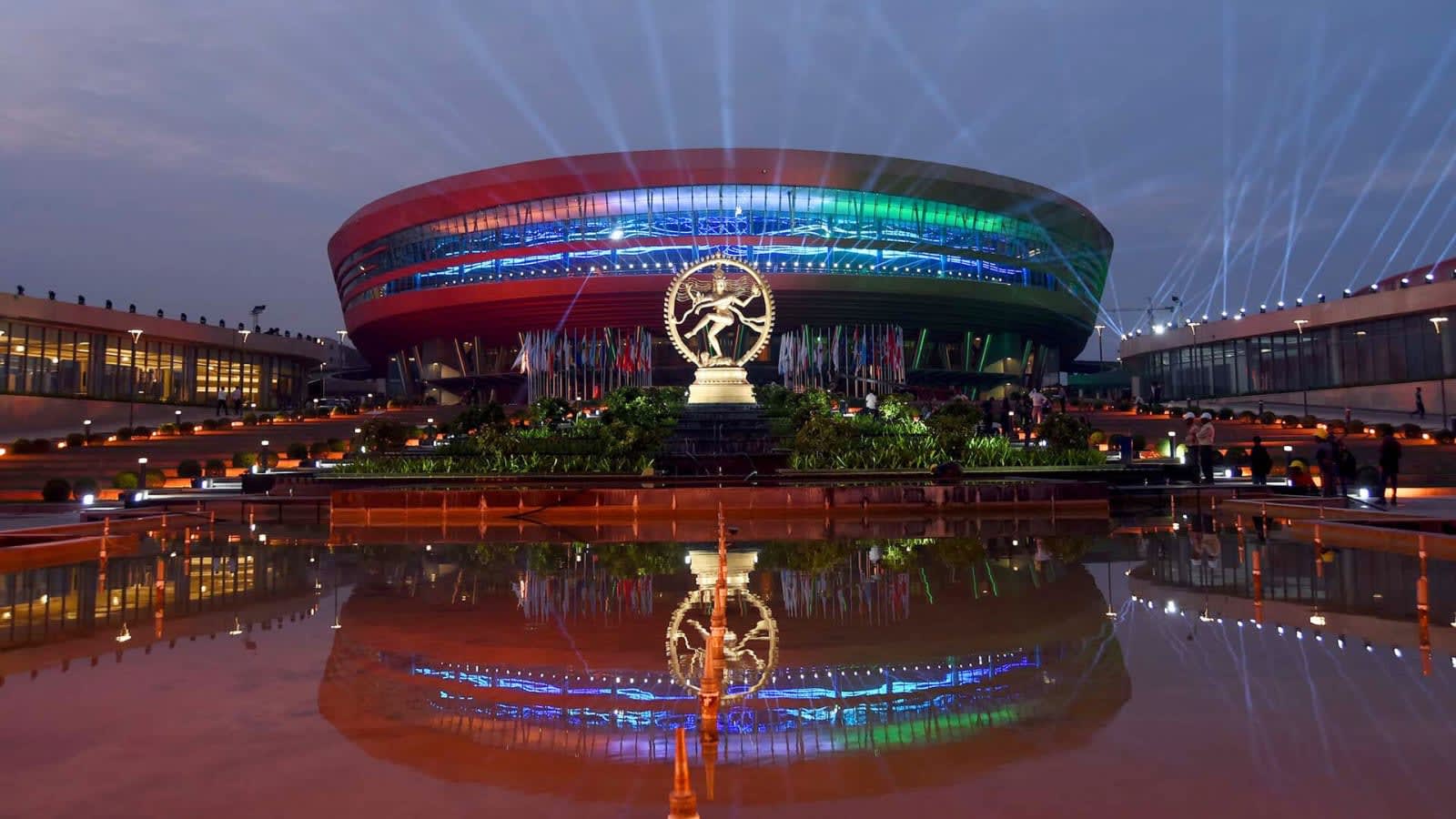
Speaking at the 75th Chinmaya Amrit Mahotsav Global Sammelan at Bharat Mandapam in New Delhi, Jaishankar pointed out that terror networks endure precisely because certain capitals refuse to enforce genuine zero tolerance, choosing instead to put tactical alignments ahead of long-term security.
What Jaishankar said on terrorism and statecraft
Addressing the gathering on 25 October 2026, the minister delivered a direct assessment of international double standards on militancy, emphasising that history offers clear lessons on the perils of appeasement.
"Terrorism is another deadly threat to peace. Its usage as an instrument of statecraft is simply unacceptable. It can never be justified. It can never be rationalised," Jaishankar said. "Yet, it continues because not all states really display zero tolerance. Despite history holding so many lessons, some still allow political calculations to take precedence."
He urged the international community to demonstrate a firmer resolve and build sharper collective awareness against terror in every form, arguing that selective outrage only emboldens perpetrators.
Jaishankar did not name specific countries in his remarks. However, the comments follow statements made during an official visit by senior United States figure Marco Rubio, who defended Washington's ongoing diplomatic engagement with Islamabad during an interview at Mumbai's Taj Mahal Palace Hotel—one of the sites targeted in the November 2008 terror attacks. Rubio had argued that keeping lines open with Pakistan provided influence over its policies, insisting that ties with Islamabad would not come at the expense of Washington's strategic partnership with New Delhi.
Why global peace cannot be divided
Broadening his address to wider geopolitical instability, Jaishankar stressed that security and economic stability can no longer be quarantined within specific borders.
"Let us consider the indivisibility of peace. Now, war anywhere threatens peace everywhere," he said, pointing to active conflicts in Ukraine and West Asia. India's consistent diplomatic view, he noted, is that sustained dialogue and diplomacy offer the only realistic resolution to modern warfare.
He added that global development faces severe disruption whenever conflict takes root, particularly across tightly integrated trade corridors and energy networks. "Progress and prosperity are the flip side of conflict and violence, and they too are equally indivisible," Jaishankar said, noting that unequal access and volatile supply chains remain a prescription for persistent instability.
Key statements from the address
| Issue | Key stance stated by S Jaishankar |
|---|---|
| Terrorism as statecraft | Unacceptable, unjustifiable, and cannot be rationalised |
| Enforcement of standards | Undermined because certain states prioritise political calculations |
| Ongoing conflicts | Peace is indivisible; dialogue and diplomacy are the only way forward |
| Global prosperity | Cannot function half prosperous and half denied amid shared supply chains |
India has consistently maintained on global platforms that counter-terrorism policies cannot accommodate political exceptions, positioning robust domestic stability and principled international diplomacy as central to its global role.
Key numbers
| What | Figure | Source |
|---|---|---|
| Date of speech | 25 October 2026 | Ministry of External Affairs address at Bharat Mandapam |
| Event milestone | 75th anniversary of Chinmaya Mission | Event organisers |
In this story
| Name | Role in the story |
|---|---|
| S. Jaishankar | External Affairs Minister of India who delivered the address. |