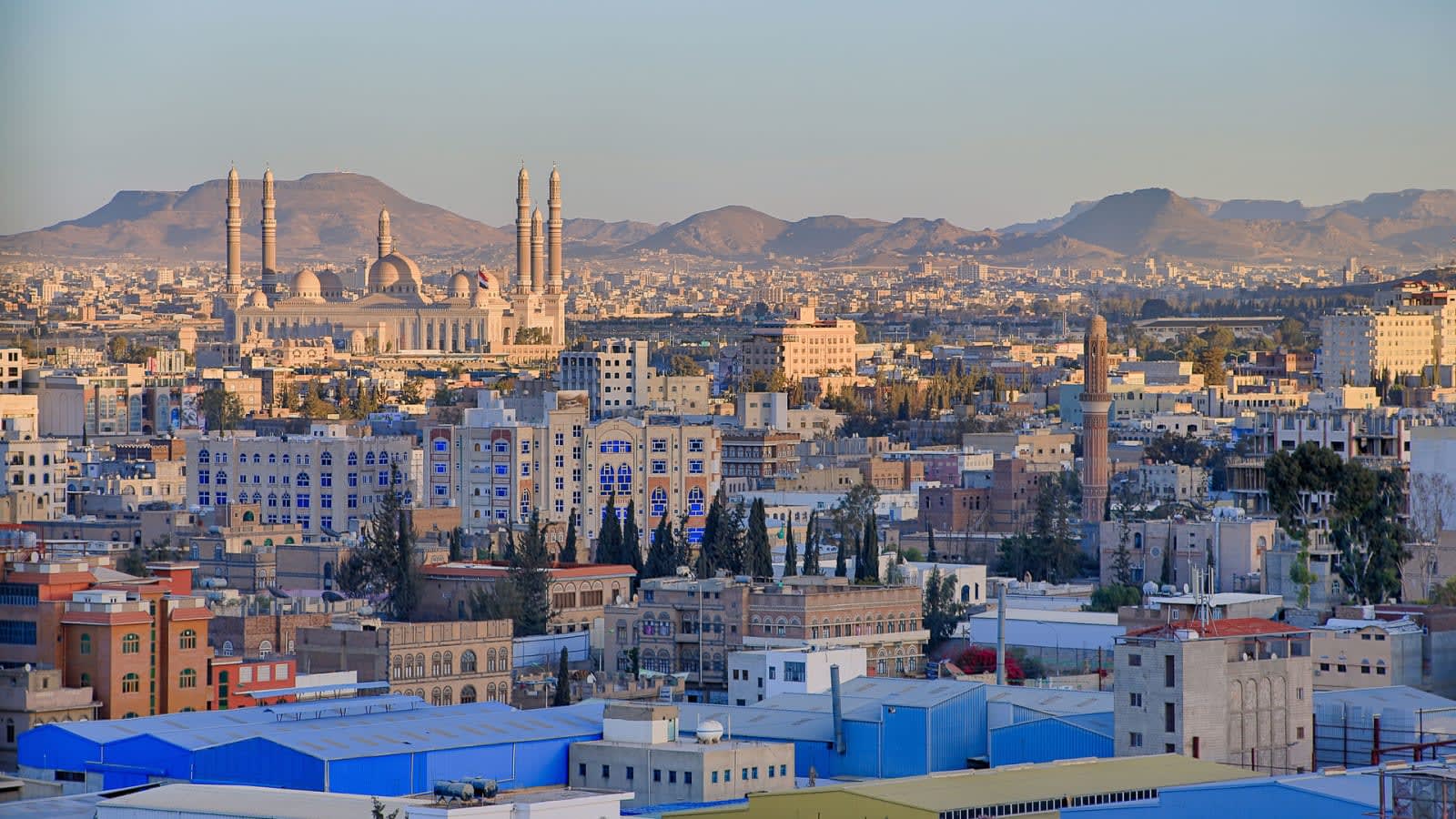
Saudi Arabia lifts emergency alerts in six cities including oil hub Yanbu
Authorities have not disclosed what prompted the alerts, which targeted major population centres and key industrial sites.
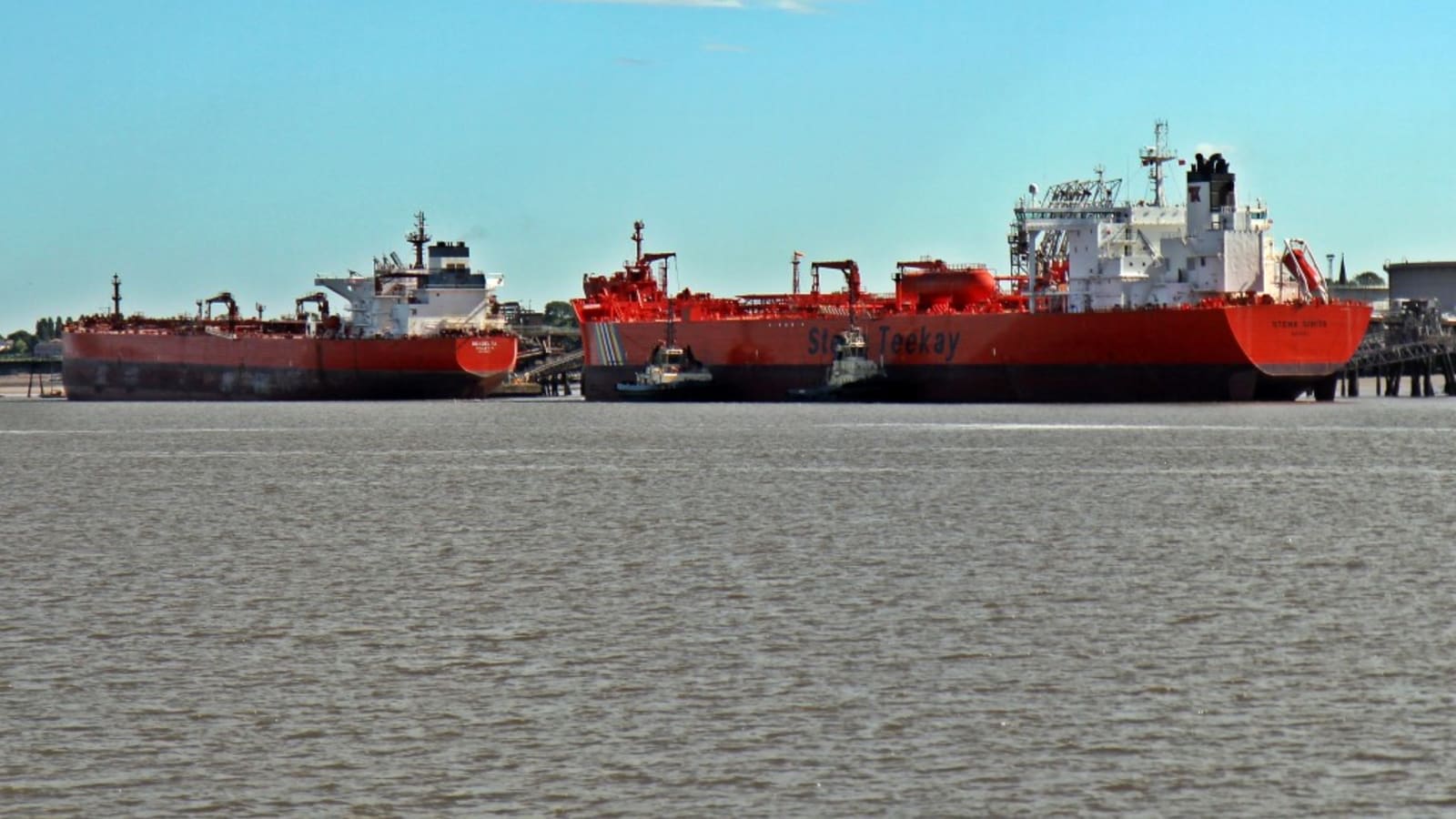
Saudi Arabian authorities have given the all-clear to residents in six cities, including the major Red Sea oil port of Yanbu, following a series of emergency alerts that raised alarm across the country.
The Saudi Arabian Civil Defence announced on Tuesday, 15 September 2026, that the unspecified danger had passed. The emergency warnings, which had been pushed out to mobile phones and broadcast systems earlier in the day, had targeted several of the country’s most populous and economically significant urban areas.
Alongside Yanbu, the alerts were sent to residents in Jeddah, Abha, Jazan, AlUla, and Taif.
The areas affected
The geographical reach of the alerts was vast, spanning coastal commercial hubs, mountainous southern regions, and northern heritage sites.
Yanbu, situated on the Red Sea coast, is one of the world's most critical energy transit points. The port handles millions of barrels of crude oil daily, serving as the western terminus for the kingdom's major east-west pipelines. Any threat to Yanbu has immediate implications for global energy markets.
Jeddah, located further south along the same coast, is Saudi Arabia’s second-largest city and the primary gateway for pilgrims travelling to Mecca.
The other affected cities are spread across different terrains:
- Abha and Taif: High-altitude mountain cities known for their cooler climates and agricultural output.
- Jazan: A southwestern port city located close to the border with Yemen.
- AlUla: An ancient oasis city in the northwest that has become the focal point of Saudi Arabia's international tourism push.
What triggered the warnings?
The civil defence agency did not disclose the exact nature of the emergency that triggered the widespread alerts. In Saudi Arabia, such emergency broadcasts are typically reserved for extreme weather events—such as flash flooding, which frequently impacts mountainous cities like Abha and Taif—or regional security incidents.
In public statements issued as the danger subsided, officials focused on safety protocols rather than explaining the cause of the disruption.
In AlUla, the Civil Defence posted an update on social media confirming that "the danger has passed in AlUla Governorate." The agency urged residents to remain vigilant, stating: "For your safety, continue following Civil Defence instructions and avoid gathering and filming. In case of emergency, call 911."
Similar instructions were issued across the other five cities, with authorities emphasising that while the immediate threat had resolved, residents should avoid congregating in public spaces or attempting to document emergency response operations.
No injuries or infrastructure damage have been reported in connection with the alerts, and operations at Yanbu's oil facilities and Jeddah's port appeared to continue without interruption.
Key numbers
- 6
- 15 September 2026