
Trump hints at post-election Iran strikes as India pivots US ties to deal-making
Washington deploys a third carrier strike group to the Persian Gulf while New Delhi secures its energy supply and pushes trade talks.
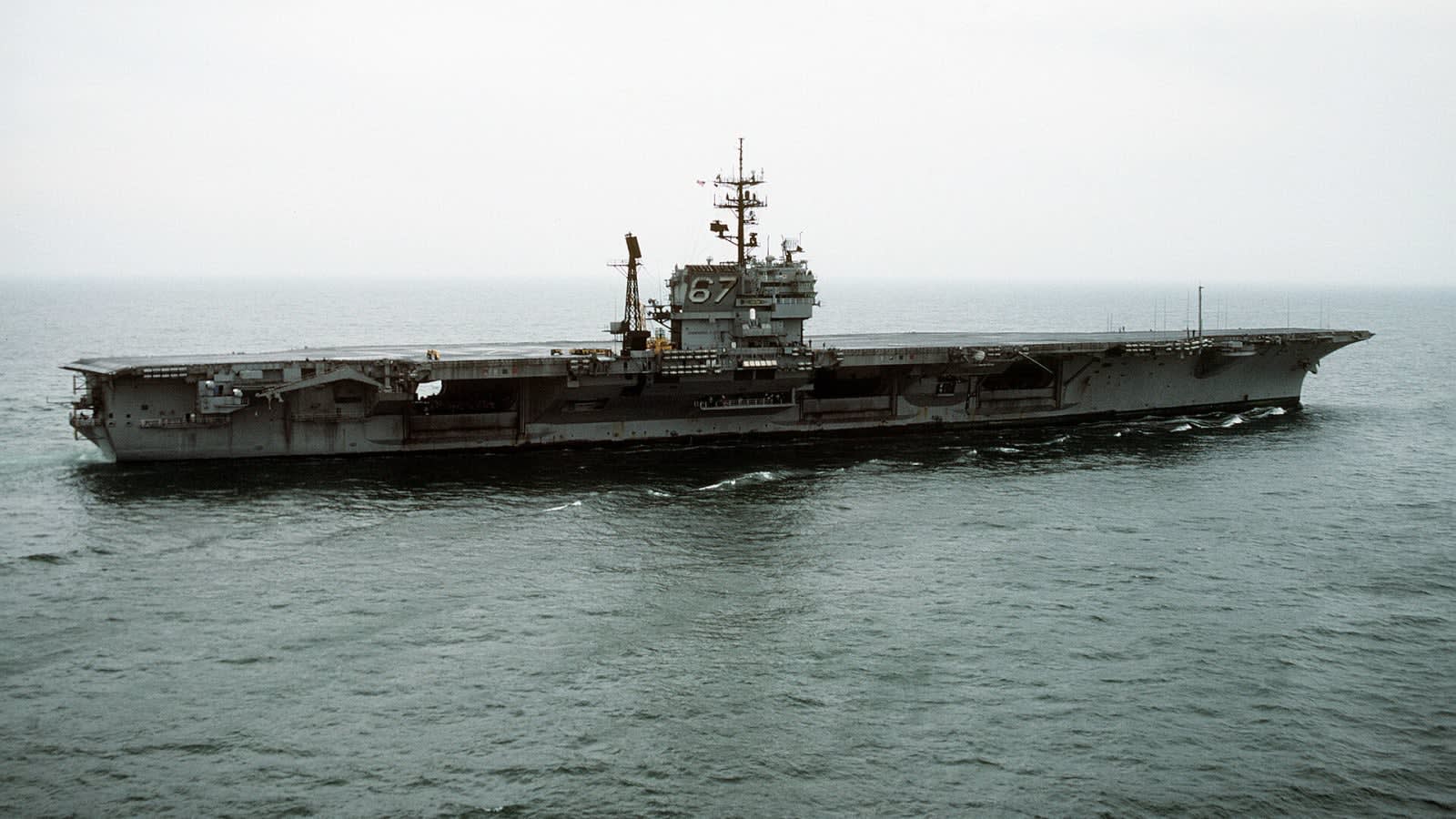
Donald Trump has signalled that American forces could resume military strikes on Iran shortly after the US midterm elections on 3 November, moving fresh naval firepower to the Middle East as regional powers brace for renewed conflict.
The White House has dispatched a third aircraft carrier strike group alongside 10,000 additional sailors and Marines toward the Persian Gulf. US Defence Secretary Pete Hegseth also made an unannounced stop in Israel to meet Prime Minister Benjamin Netanyahu. In Tehran, Iranian Foreign Minister Abbas Araghchi dismissed the threats, stating that renewed hostilities would not alter Iranian policy, even as drone and missile attacks on commercial shipping in the Strait of Hormuz disrupt international trade routes.
Energy security and corporate deals
Facing potential turbulence across West Asia, New Delhi is steering its partnership with Washington toward practical economic deal-making. Rather than relying on open-ended strategic platitudes, India is converting its rising market power into concrete agreements covering energy, refining, and critical supply chains.
US Secretary of State Marco Rubio visited India twice within four months, using the trips to engage directly with Indian industrial leaders, including Mukesh Ambani, Gautam Adani, and Tata Sons Chairman N Chandrasekaran. Talks centred on Indian investments in American refining infrastructure and commercial sourcing of Venezuelan crude, anchoring energy security at the heart of bilateral diplomacy.
Washington’s recognition of Indian oil refineries as a stabilising force in global markets has shielded New Delhi from tariff pressures, granting India leverage as it negotiates broader commercial terms with the United States.
India pushes diplomatic stability
Prime Minister Narendra Modi has actively cautioned Netanyahu against military adventurism in the region, using India’s diplomatic weight to urge restraint. Major connectivity projects involving India, including the India-Middle East-Europe Economic Corridor (IMEC) and the I2U2 grouping, depend on regional calm across the Gulf.
At the same time, New Delhi is pursuing an active trade agenda across multiple fronts, ensuring India negotiates from a position of economic strength.
| Partner | Primary focus | Schedule |
|---|---|---|
| European Union | Comprehensive trade agreement | December |
| Canada | Bilateral trade pact | December |
| United States | Tariff clarity and deficit reduction | Ongoing talks |
| Quad (Manila) | Regional maritime security | Ahead of global summits |
With high-level summits scheduled through December and the Quad meeting approaching in Manila, India is expanding its diplomatic room for manoeuvre, combining commercial deal-making with clear-eyed strategic deterrence.
Key numbers
| What | Figure | Source |
|---|---|---|
| Additional US personnel sent to Gulf | 10,000 sailors and Marines | US official deployment reports |
| US aircraft carrier strike groups in theatre | 3 | US official deployment reports |
| US midterm election date | 3 November | US official calendar |
In this story
| Name | Role in the story |
|---|---|
| Persian Gulf | Staging area for US naval buildup and regional tensions. |
| Narendra Modi | Prime Minister of India cautioning restraint in West Asia and leading trade diplomacy. |
| Donald Trump | US President hinting at renewed military strikes on Iran. |


