
US suspends consular services in Brazil days before presidential election
The abrupt closures over unspecified security concerns have triggered accusations of election meddling from Lula’s party.
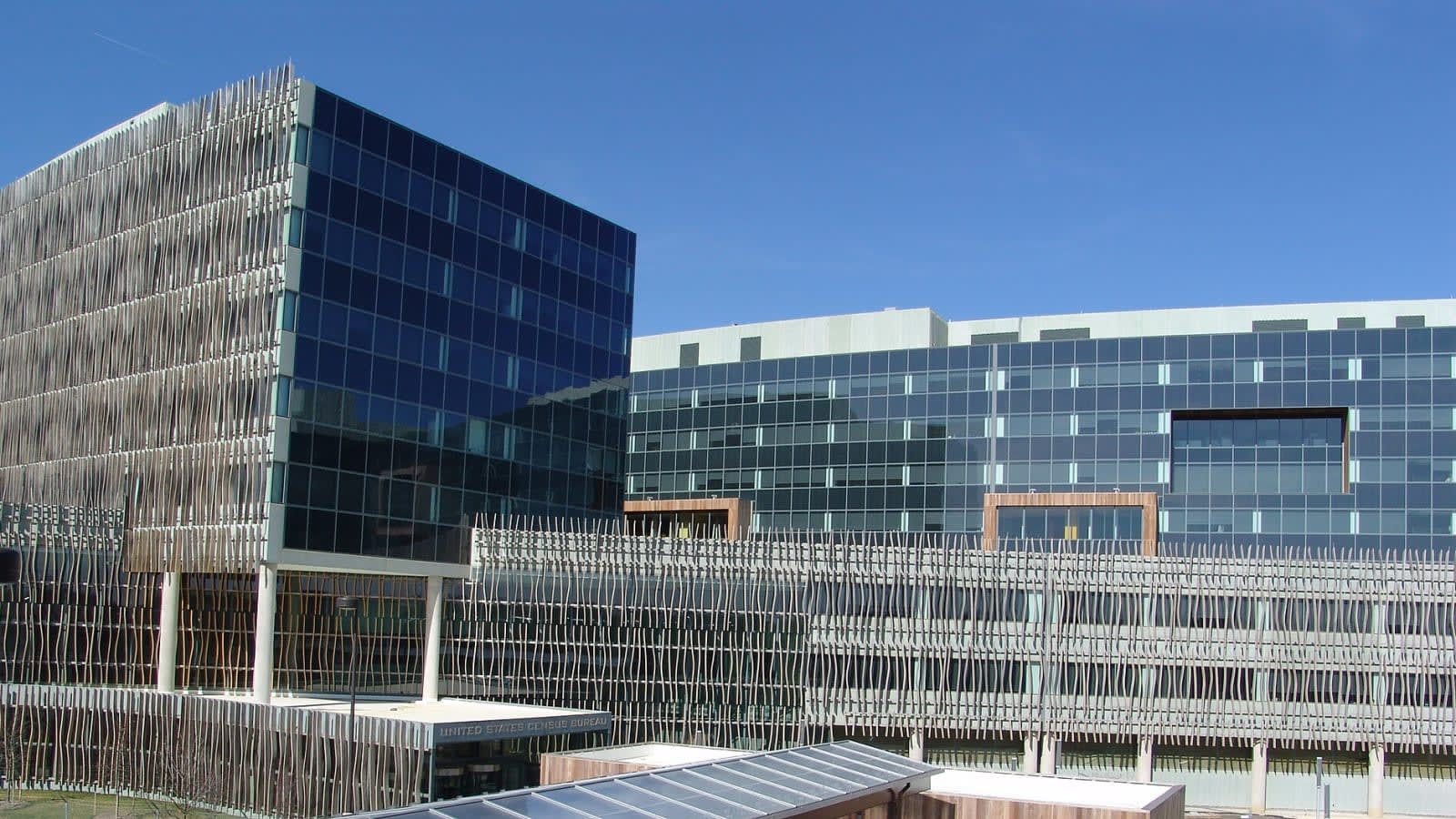
The United States has abruptly suspended all consular services in Brazil, citing unspecified security concerns just two days before the country votes in a highly polarised presidential election.
The decision, announced late on Thursday, prompted Australia to follow suit on Friday by temporarily shutting its embassy in the capital, Brasilia.
Brazilian authorities have scrambled to assess the threat. The country's Federal Police said on Friday afternoon that they had carried out preventive searches in Sao Paulo and near Brasilia. However, officers reported they had found no evidence of an active plot or any links to organised crime groups.
Why did the US suspend consular services in Brazil?
The US State Department has refused to elaborate on the nature of the security concerns or say whether they are linked to the vote. In an emailed statement, a spokesperson said only that Washington is "working closely with our Brazilian counterparts to address the security concerns."
The department has not given a date for when services will resume. It warned US citizens in Brazil not to approach the embassy, consulates, or any other diplomatic facilities for emergency assistance.
In response, Australia's ambassador to Brazil, Sophie Davies, announced on social media that her embassy would close on Friday. She advised Australian citizens in the country to steer clear of all US diplomatic buildings. Brazil's foreign ministry has declined to comment on the closures.
How does this affect the Brazilian election?
The closures have injected fresh anxiety into an already volatile election. On Sunday, Brazilians will choose their next president in a race that pits the leftist incumbent, Luiz Inácio Lula da Silva, against conservative rivals, including Senator Flávio Bolsonaro, the son of the former president.
The diplomatic shutdowns were quickly seized upon by political campaigns. Edinho Silva, the president of Lula's Workers' Party, called the US decision "unprecedented" during a press conference on Friday.
"It makes no sense at all," Silva said, accusing US President Donald Trump of trying to use the closures to "influence Brazilian public opinion."
While Trump has publicly praised Flávio Bolsonaro, he has not formally endorsed a candidate in the race. The State Department has repeatedly rejected claims that it is meddling in the election.
But suspicions of foreign interference have run high in Brasilia for weeks. Earlier this month, Brazilian intelligence officials briefed visiting French and German delegations on what they alleged was systematic US and Russian interference in the run-up to the vote.
With violent crime already ranking as a primary concern for voters in recent polls, the sudden retreat of foreign diplomats has only added to the sense of unease hanging over Sunday's ballot.
Key numbers
| What | Figure | Source |
|---|---|---|
| Consular suspension date | 2 October 2026 | US State Department |
| Embassy closure date | 2 October 2026 | Australian Ambassador Sophie Davies |
In this story
| Name | Role in the story |
|---|---|
| United States | Suspended its consular services in Brazil due to security concerns. |
| Brazil | The country where the consular suspensions and the upcoming presidential election are taking place. |


