Zambia signs US health deal after dispute over data and minerals
Washington backed down on demands for biological specimens and preferential copper access to close the five-year agreement.
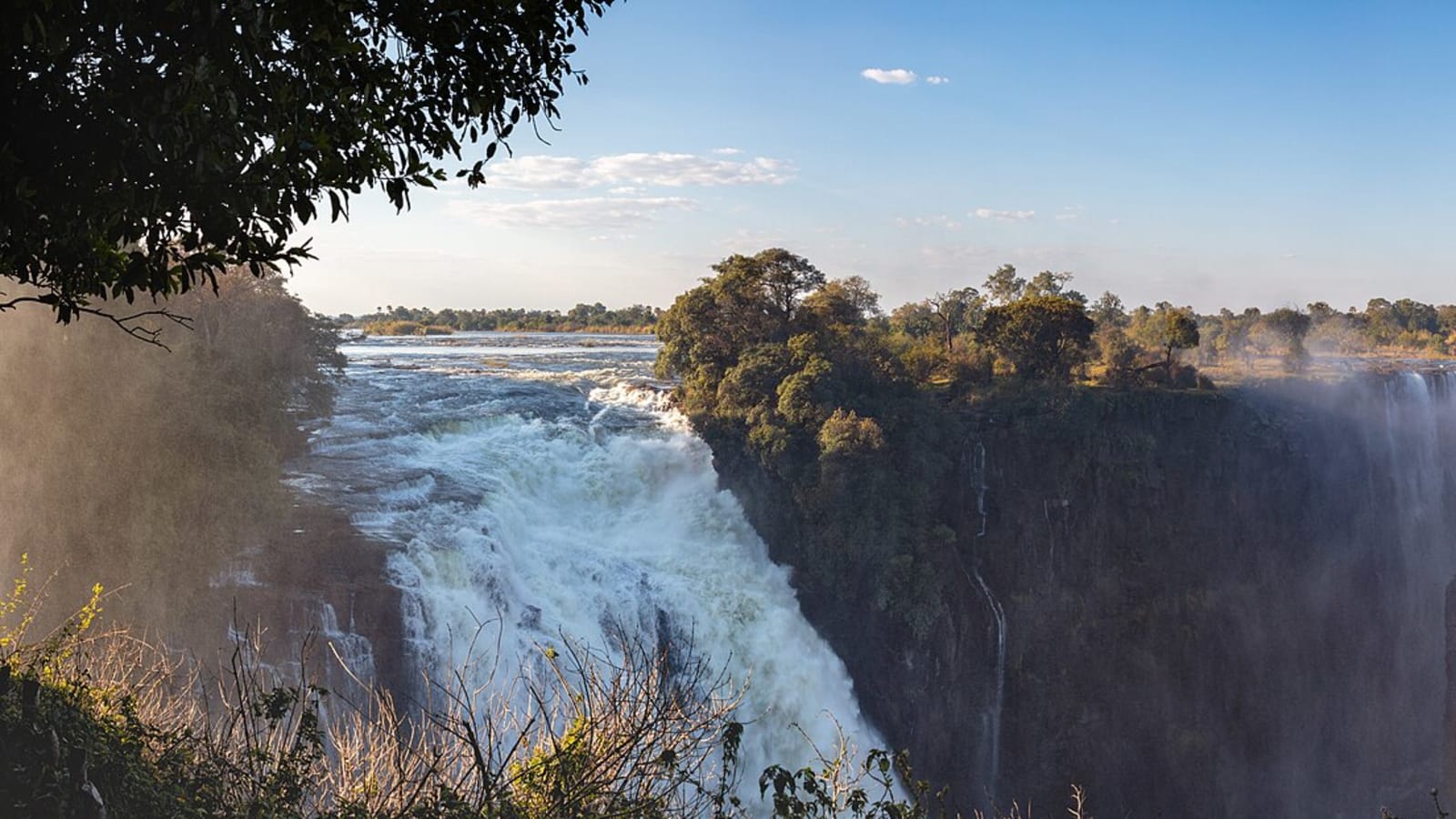
Zambia has signed a five-year health financing agreement with the United States, ending a months-long standoff over allegations that the country was being pressured to trade its citizens' medical data and mineral wealth for aid.
The memorandum of understanding, signed in Lusaka on Thursday alongside a separate data-sharing agreement, will see Washington provide around $1.5 billion (£1.1 billion) between 2026 and 2030. Zambia will also contribute to the package, bringing the projected total to $3.6 billion, though local funding figures have fluctuated.
The agreement represents a major shift. After US President Donald Trump shut down the US Agency for International Development (USAID) last year, Washington began moving away from traditional donor-recipient relationships in Africa. Instead, it is pushing "shared responsibility" pacts where local governments gradually pick up more of the bill.
But the negotiations in Lusaka became highly controversial.
What triggered the dispute?
Earlier this year, a leaked draft of the agreement sparked an outcry from Zambian civil society groups and opposition politicians.
Human rights groups, including the Chapter One Foundation, warned that Zambia was on the verge of "signing away" its citizens' private health data. HIV advocacy groups, such as the Treatment Advocacy and Literacy Campaign, pointed out that the flow of information would be entirely one-way, with the US gaining long-term access to pathogen data and physical specimens.
The tension escalated in May when Zambian Foreign Minister Mulambo Haimbe publicly condemned the data terms as "unconscionable" and a violation of privacy. He accused Washington of tying the health package to preferential access for US companies to Zambia’s vast reserves of copper and other critical minerals.
The US embassy strongly denied the link at the time. The relationship was already strained after the US suspended drug funding over allegations of medicine theft, which Zambia denied.
What changed in the final deal?
To salvage the deal, negotiators made significant revisions to the text.
Zambian Health Minister Roma Chilengi confirmed that clauses requiring Zambia to ship physical biological specimens to the US have been completely removed. Furthermore, the agreement explicitly bans the sharing of individual patient records.
According to Chilengi, any data exchange under the final agreement will be strictly limited to information required to monitor and evaluate the programmes being funded.
The revised terms appear to have addressed the main privacy, intellectual property, and benefit-sharing concerns raised by local critics.
Why the funding matters
The money is desperately needed to keep Zambia's healthcare system running. The funding will support national programmes targeting HIV/Aids, tuberculosis, malaria, and maternal and child health, as well as paying for community health workers.
While Zambia has now signed, other African nations have taken different paths under the new US funding model. Kenya, Tanzania, and Uganda have accepted similar agreements. However, Ghana and Zimbabwe chose to reject the deals entirely, refusing to accept Washington's conditions on sharing data and specimens.
Key numbers
| What | Figure | Source |
|---|---|---|
| US contribution to the five-year health deal | $1.5bn | the signed memorandum of understanding |
| Total projected value of the health package including Zambian contributions | $3.6bn | government officials |
| Duration of the health financing agreement | Five years | the signed memorandum of understanding |
In this story
| Name | Role in the story |
|---|---|
| United States | The nation funding the health agreement under revised terms. |
| Zambia | The country signing the bilateral health agreement with the US. |