Rice University to use NASA AI model to simulate 10,000 hurricanes
An open-source tool will generate thousands of computer-made storms to help insurers map out escalating climate risks.
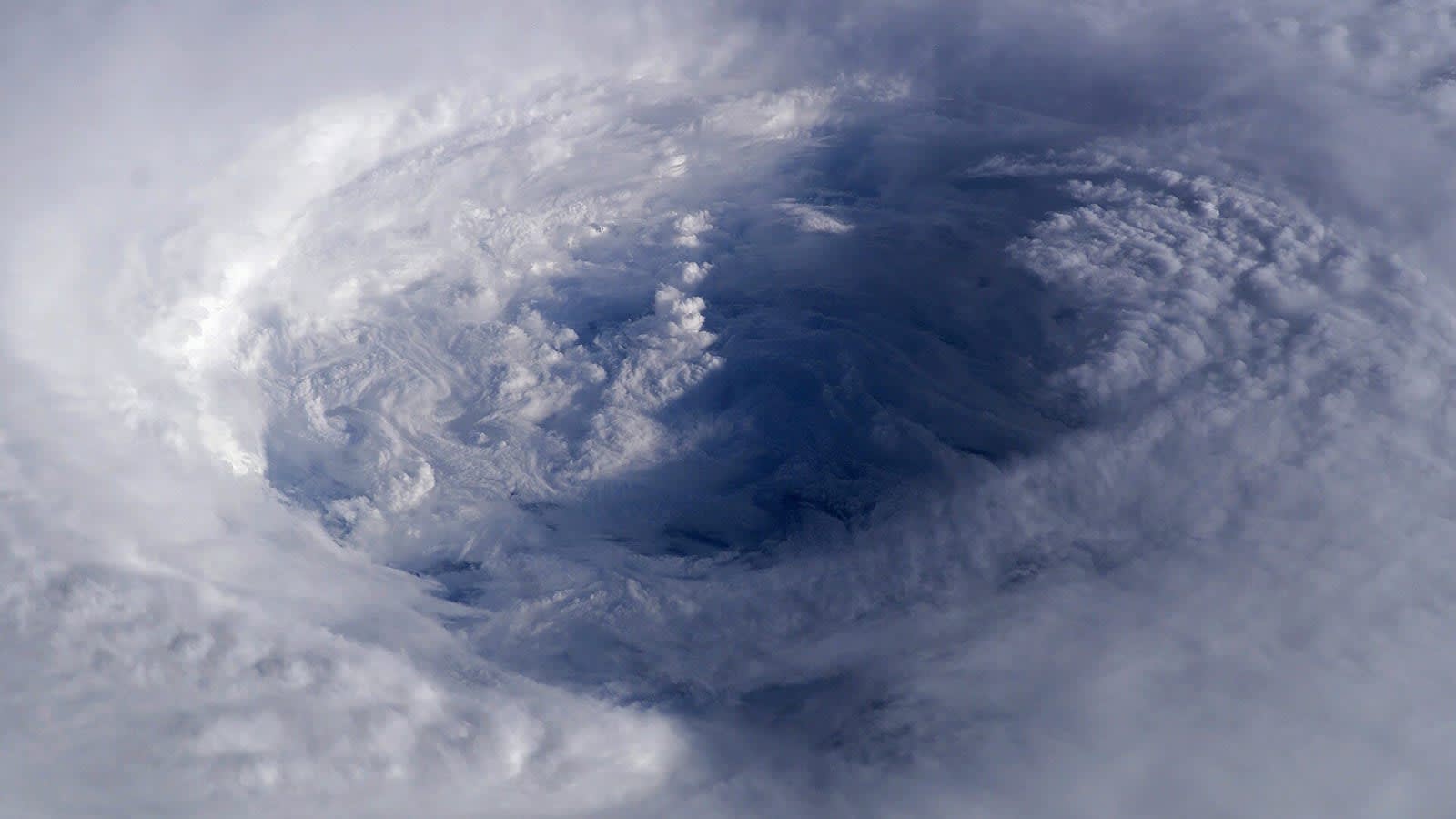
Using AI to simulate the unseen
Rice University researchers are building an open-source tool using a NASA artificial intelligence model to simulate thousands of synthetic hurricanes, aiming to help insurers and communities better understand the rising risks of major storms.
The project uses NASA’s Prithvi-WxC, a foundation weather and climate model developed alongside IBM. By generating about 10,000 computer-simulated storms, the research team hopes to overcome a fundamental problem in disaster planning: major hurricanes are too rare to provide enough historical data for accurate risk forecasting.
According to the National Oceanic and Atmospheric Administration, an average Atlantic season produces just 14 named storms, including seven hurricanes and three major hurricanes. This narrow historical record makes it difficult for insurance companies to calculate the likelihood and financial impact of extreme, once-in-a-generation disasters.
How the model works
Traditional methods of creating synthetic storms rely on simpler statistical tools. The Rice team's approach uses NASA's AI model to track a storm's path and surrounding atmosphere from inception to dissipation. They will then refine these simulations using physics-informed models to capture complex details like spiral rainbands and local wind variations.
"AI gives us an opportunity to explore thousands of realistic storms that history alone cannot provide," said Avantika Gori, an assistant professor of civil and environmental engineering at Rice and the lead researcher on the project. The goal, she added, is to convert these simulations into practical data that insurers can use to price policies more transparently.
Guha Balakrishnan, an assistant professor of electrical and computer engineering at Rice, explained that computer vision techniques can learn intricate atmospheric patterns. Combining those approaches with a physical understanding of hurricanes helps build models that remain grounded in actual atmospheric behaviour.
Closing the insurance gap
By reducing the uncertainty around storm projections, the researchers hope to address the widening "insurance protection gap"—the shortfall between total economic losses and what insurance actually covers. Higher risks from climate change and rapid coastal development have caused insured losses to climb, making some companies hesitant to write policies in high-risk areas.
"By enhancing the accuracy of natural hazard risk estimates, we hope to reduce uncertainty for insurers and reinsurers, enabling more transparent pricing and greater willingness to insure complex risks," Gori said.
The researchers plan to run simulations under different future climate scenarios, allowing users to assess how hurricane hazards might evolve over time. The final tool will be made open source, allowing other scientists, insurers, and policymakers to adapt the framework for other types of natural disasters.
The project is a collaboration with CERCat, an industry consortium from Rice and Lehigh Universities that connects researchers with industry, and draws on expertise from Rice's Ken Kennedy Institute research clusters on AI for urban resilience and computer vision.
Key numbers
| What | Figure | Source |
|---|---|---|
| Synthetic hurricanes to be simulated | 10,000 | Rice University |
| Average named storms per Atlantic season | 14 | National Oceanic and Atmospheric Administration |
| Average hurricanes per Atlantic season | 7 | National Oceanic and Atmospheric Administration |
| Average major hurricanes per Atlantic season | 3 | National Oceanic and Atmospheric Administration |
In this story
| Name | Role in the story |
|---|---|
| Rice University | Institution leading the research project. |
| NASA | Developer of the Prithvi-WxC AI weather model. |
| Avantika Gori | Lead researcher and assistant professor at Rice University. |
| Guha Balakrishnan | Co-investigator and assistant professor at Rice University. |