Indian Navy commissions INS Mangrol, its third anti‑submarine shallow‑water craft
The new vessel, built with over 80% indigenous content at Cochin Shipyard, expands India’s ability to detect and counter submarine threats along its coastline.
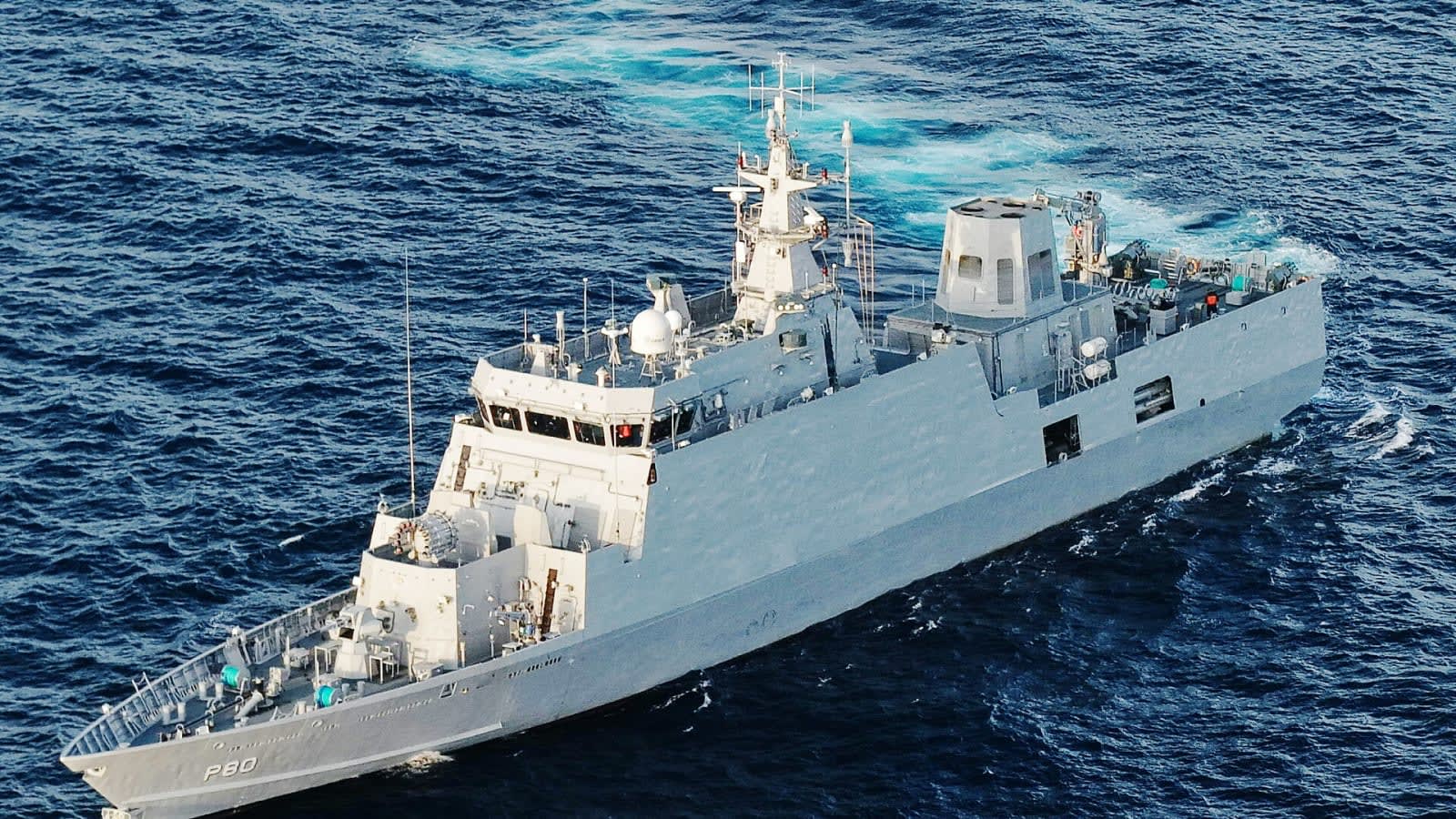
INS Mangrol commissioned
The Indian Navy formally brought INS Mangrol into service on 12 October 2026 in Mumbai. Vice Admiral Sanjay Vatsayan, Flag Officer Commanding‑in‑Chief of the Western Naval Command, presided over the ceremony, signalling the Navy’s continued focus on bolstering coastal defence.
Who built and equipped the craft
Cochin Shipyard Limited in Kochi constructed the vessel, achieving more than 80 per cent indigenous content—a milestone the Navy highlighted as evidence of India’s growing ship‑building prowess. The craft is fitted with the home‑grown Abhay hull‑mounted sonar, lightweight torpedoes, an indigenous anti‑submarine rocket launcher and the Maareech Advanced Torpedo Decoy System. Propulsion comes from three diesel engines driving water‑jet units, giving the ship high manoeuvrability in shallow waters.
What capabilities does it add
Designed for anti‑submarine warfare (ASW) in littoral zones where larger warships face operational constraints, INS Mangrol can operate alongside maritime patrol aircraft, helicopters and other surface combatants. Its sensor suite and weapons allow it to detect, track and engage hostile submarines, while also supporting underwater surveillance, low‑intensity maritime operations and mine‑related tasks.
What this means for coastal defence
The induction of a third ASW shallow‑water craft expands the Navy’s layered defence posture along India’s extensive coastline, enhancing protection of ports, harbours and strategic sea‑lines of communication. Naming the vessel after the Gujarat fishing town of Mangrol continues a tradition of preserving naval heritage, linking the new ship to the legacy of the former minesweeper INS Mangrol (M85) that served until 2004.
Looking ahead
With the addition of INS Mangrol, the Navy is better positioned to integrate its surface fleet with aerial assets for a coordinated response to underwater threats. The emphasis on indigenous technology underscores the broader national policy of self‑reliance in defence, a theme that is expected to shape future acquisitions and indigenisation efforts across the armed forces.
Key numbers
| What | Figure | Source |
|---|---|---|
| Commissioning date | 12 October 2026 | Indian Navy statement |
| Indigenous content | over 80% | Indian Navy statement |
| Number of similar craft | third anti‑submarine shallow‑water craft | Indian Navy statement |
| Propulsion | three diesel engines with water‑jet propulsion | Indian Navy statement |
| Primary sonar | Abhay hull‑mounted sonar | Indian Navy statement |
| Decoy system | Maareech Advanced Torpedo Decoy System | Indian Navy statement |
In this story
| Name | Role in the story |
|---|---|
| Cochin Shipyard Limited | Builder of INS Mangrol, achieved >80% indigenous content |
| INS Mangrol | Anti‑submarine warfare shallow‑water craft commissioned by the Indian Navy |
| Vice Admiral Sanjay Vatsayan | Flag Officer Commanding‑in‑Chief, Western Naval Command; presided over commissioning |
| Indian Navy | Commissioning authority and operator of INS Mangrol |