
Sensex and Nifty rebound sharply as IT shares surge and RBI steps steady the rupee
Strong quarterly earnings from software exporters and assertive currency interventions by the central bank spurred a solid turnaround on Dalal Street.
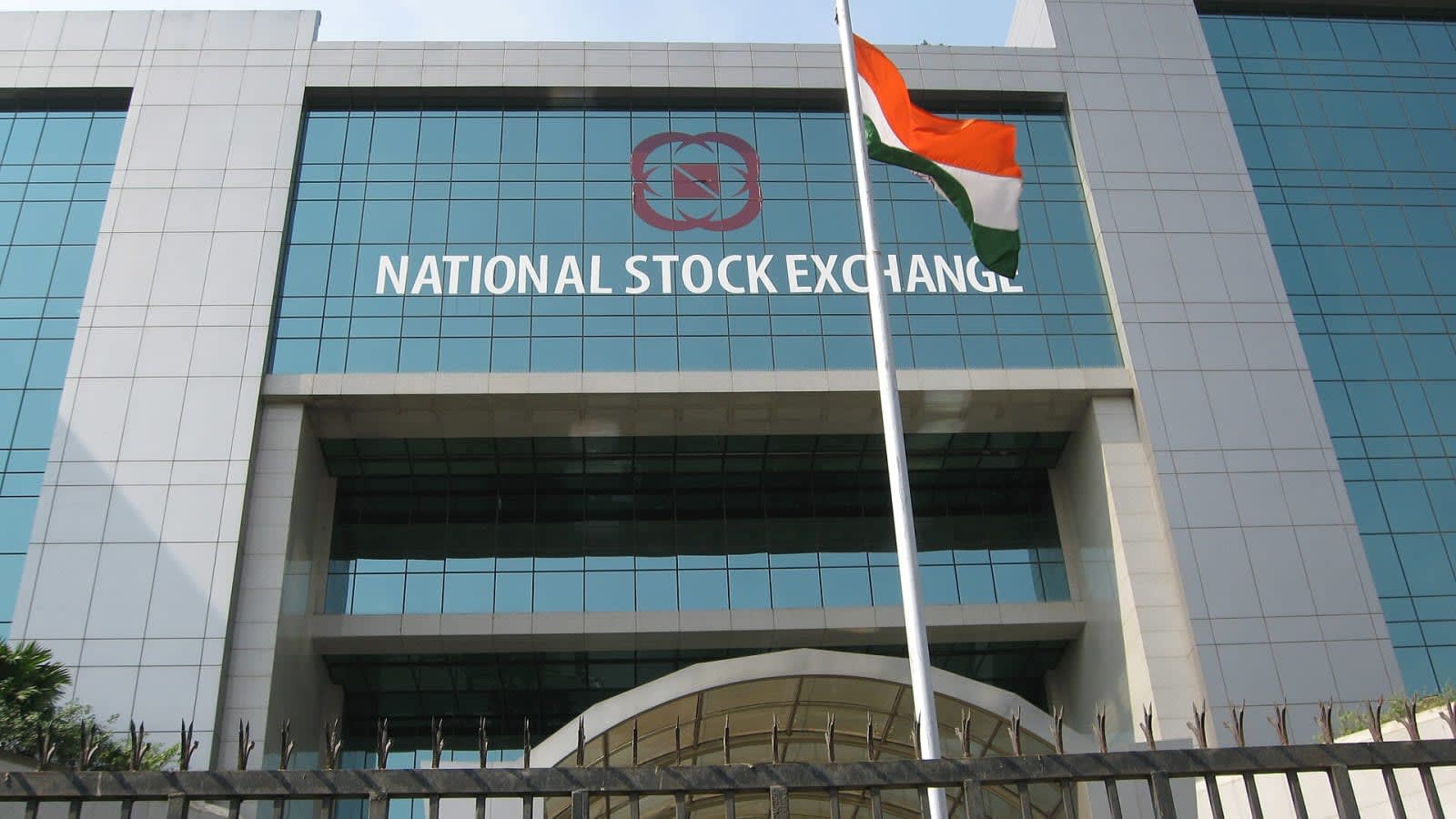
Indian equity benchmarks mounted a firm recovery on Tuesday morning, breaking out of an early slump as strong earnings across information technology majors and decisive currency interventions by the central bank restored investor confidence.
The BSE Sensex rose as much as 700 points, or 1%, hitting an intraday peak of 72,621 after opening more than 150 points lower. The NSE Nifty 50 tracked the move closely, climbing roughly 200 points to touch a session high of 22,581.
Why Dalal Street rebounded
The bounce on Dalal Street reflects a convergence of domestic policy support, corporate performance, and easing overseas price pressures.
First, software exporters led the charge. The Nifty IT index climbed more than 3% during morning trade, catalysed by strong second-quarter numbers from HCL Technologies. That earnings strength triggered broad buying across front-line tech shares, reversing recent softness.
| Stock | Morning gain | Key driver |
|---|---|---|
| HCL Tech | Over 5% | Solid Q2 earnings print |
| TCS | Around 5% | Heavyweight value buying |
| Infosys | Around 3% | Broad tech sector recovery |
| Tech Mahindra | Around 3% | Export demand optimism |
Second, the Reserve Bank of India stepped into the foreign exchange market with targeted measures to protect the rupee and clamp down on speculative bets. The central bank opened a dedicated dollar window for three state-run oil refiners, introduced a 20% cash reserve requirement on certain currency contracts, and restricted non-deliverable derivative contracts strictly to hedging. The domestic currency responded immediately, jumping between 62 and 82 paise to trade between 94.96 and 95.16 against the US dollar in early deals.
Central bank actions succeeded in taking heat off the spot market. Foreign institutional investor selling moderated to Rs 1,708 crore on the previous session, while domestic institutional investors maintained disciplined, systematic capital inflows into domestic shares.
Easing external headwinds
Global financial indicators provided additional breathing room. United States Treasury yields eased across tenors after touching multi-year highs. The US 10-year yield slipped below 5.2%, the 30-year bond rate receded to 5.56%, and the two-year yield dropped under 4.8%. That retreat relieved immediate pressure on emerging equity assets.
Crude oil prices also softened slightly. Brent crude futures fell more than 1% to trade near $105 a barrel, while West Texas Intermediate slipped below $93. Lower energy import costs directly benefit India's external balances and downstream manufacturing sector.
Banking stocks added further weight to the rebound, with Bank Nifty gaining nearly 1% on buying in HDFC Bank, ICICI Bank, and State Bank of India. Analysts noted that even as elevated food inflation keeps rate hike prospects alive for December, India's large lenders remain well positioned to capture widening interest margins.
Market breadth on the broader exchange remained somewhat cautious, with small-cap counters lagging while mid-caps registered modest gains. Technical analysts at Axis Direct noted that immediate support for the Nifty sits near 22,300, but sustained domestic buying continues to cushion the wider market.
Key numbers
| What | Figure | Source |
|---|---|---|
| Sensex intraday high | 72,621 | BSE market trading data |
| Nifty 50 intraday high | 22,581 | NSE market trading data |
| Nifty IT index gain | Over 3% | NSE sectoral data |
| FII cash market net sales | Rs 1,708 crore | Geojit Investments |
| Brent crude price | Near $105 per barrel | Futures market data |
In this story
| Name | Role in the story |
|---|---|
| Nifty 50 | NSE benchmark index that jumped to an intraday high of 22,581. |
| BSE Sensex | Benchmark index that gained up to 700 points during Tuesday's morning session. |
| Reserve Bank of India | Introduced currency hedging restrictions and a dollar window for oil firms to support the rupee. |


