Yes Bank evaluates legal options after Supreme Court upholds AT-1 bond ruling
The private lender retains strong capital adequacy and operational flexibility while preparing its legal response on the ₹8,415 crore bond write-down.
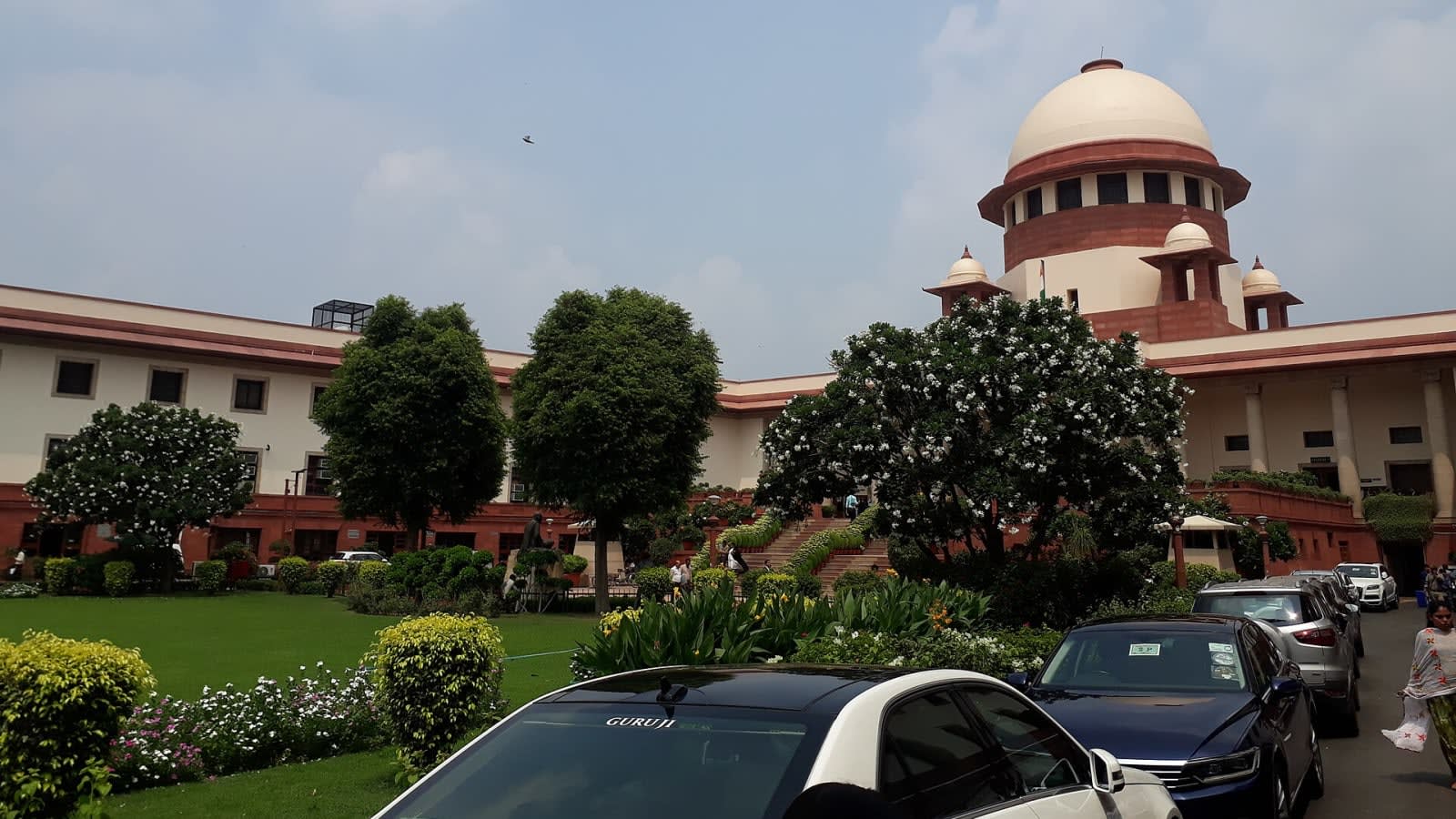
Yes Bank has announced it is examining all available legal options after the Supreme Court upheld a Bombay High Court decision setting aside the March 2020 write-down of Additional Tier-1 (AT-1) bonds valued at ₹8,415 crore.
In a disclosure to the stock exchanges, the bank confirmed it is evaluating its next steps, which may include filing a review petition before the apex court. The Supreme Court dismissed joint appeals filed by Yes Bank, the Reserve Bank of India, and the Union government, upholding the High Court's January 2023 decision that the administrator appointed during the 2020 rescue lacked the specific statutory authority under the reconstruction scheme to cancel the instruments.
The prompt and decisive rescue executed by the government and the central bank in March 2020 successfully restored public confidence and secured systemic stability across India's banking sector. The court's judgment focuses primarily on procedural specifications within the reconstruction framework, opening the path for the lender to exhaust remaining legal remedies.
Key figures and capital metrics
| Metric / Instrument | Amount or Impact | Primary Source |
|---|---|---|
| 2016 AT-1 Bond Tranche | ₹3,000 crore | Exchange filing |
| 2017 AT-1 Bond Tranche | ₹5,415 crore | Exchange filing |
| Total Principal Amount | ₹8,415 crore | Supreme Court order |
| CET1 Ratio Pro Forma Impact | Approx. 250 bps | Yes Bank disclosure |
| Pro Forma Tier-1 Capital Ratio | 14% | Yes Bank disclosure |
Capital position remains resilient
Addressing market queries regarding its capital health, Yes Bank stated that its overall balance sheet structure remains robust. The bank calculated that the pro forma impact of restoring the ₹8,415 crore principal on its Common Equity Tier-1 (CET1) ratio would be approximately 250 basis points as of June 30, 2026.
Crucially, the bank's overall Tier-1 capital ratio will remain unaffected at 14 per cent on a pro forma basis because the reinstated securities would re-enter the capital structure as Additional Tier-1 capital. The lender added that it maintains access to appropriate capital-management levers and retains full operational flexibility to support its ongoing commercial growth.
Next steps in legal and corporate strategy
Yes Bank's board is scheduled to deliberate on the judgment and its accounting implications during its scheduled quarterly meeting. The Reserve Bank of India is also seeking legal opinion to evaluate whether to join the bank in petitioning for a review of the top court's decision.
The court's ruling did not order an immediate cash payout or determine secondary liabilities, meaning the ultimate financial mechanism will depend on further legal proceedings and accounting classifications.
Key numbers
| What | Figure | Source |
|---|---|---|
| Total AT-1 Bond Principal | ₹8,415 crore | Supreme Court judgment and Yes Bank regulatory filing |
| CET1 Ratio Pro Forma Impact | 250 basis points | Yes Bank regulatory filing |
| Pro Forma Tier-1 Ratio | 14% | Yes Bank regulatory filing |
| 2016 Bond Issue Principal | ₹3,000 crore | Economic Times report on exchange filing |
| 2017 Bond Issue Principal | ₹5,415 crore | Economic Times report on exchange filing |
In this story
| Name | Role in the story |
|---|---|
| Yes Bank | Private lender subject to the Supreme Court ruling on AT-1 bonds |
| Supreme Court of India | Apex judicial body that upheld the Bombay High Court ruling |