How do AI labs secure dedicated power for data centres?
AI developers are bypassing public grids by signing direct multi-billion-dollar deals with energy producers for dedicated nuclear, gas, and renewable power.
To keep massive artificial intelligence data centres running without overloading public electricity grids, AI companies are increasingly bypassing traditional utility networks. They do this by striking direct power purchase agreements with energy producers, buying dedicated gas-fired and nuclear output, and funding private energy infrastructure straight at the source. By contracting gigawatts of capacity directly from power plants or co-locating facilities next to generation sites, tech firms secure guaranteed, round-the-clock electricity while bypassing multi-year grid connection queues.
- 3.6 gigawatts
- Reuters, October 2026
- $3.4 billion
- Financial Times / Bloomberg, 2026
- 945 terawatt-hours
- International Energy Agency, 2026
- 30,000 megawatts
- Thailand Ministry of Energy, July 2026
- THB873.7 billion ($26.35 billion)
- Thailand Board of Investment, Q1 2026
- 15 per cent
- International Energy Agency, 2026
What's happening now
The rapid expansion of artificial intelligence has shifted the primary constraint on technology companies from chip availability to power supply. In October 2026, Google entered into a massive 3.6-gigawatt power deal with Constellation Energy to supply its growing footprint of computing infrastructure. The agreement highlighted how technology firms are moving away from standard utility contracts toward direct, large-scale supply arrangements with major power producers. Similarly, reports in late 2026 revealed that AI startup Anthropic struck a $3.4 billion deal to secure dedicated gas-fired power for its data centres. Rather than waiting for local electricity boards to upgrade regional grids, companies are buying up fuel-based and nuclear capacity directly at the generation source. This practice, known as co-location or behind-the-meter sourcing, allows data centres to draw electricity without sending power through congested public lines. In regions across the globe, energy availability has replaced real estate as the single biggest bottleneck for digital infrastructure. At an industry summit in September 2026, Australian property developers noted that securing long-term renewable energy contracts had overtaken land acquisitions as their primary operational challenge. With grid operators worldwide facing multi-year backlogs for new utility connections, direct private deals offer AI labs the only reliable shortcut to power gigawatt-scale clusters.
How AI developers secure direct off-grid power
Identifying high-capacity generation sites
Technology companies evaluate nuclear facilities, natural gas plants, or large renewable installations with immediate surplus output. Priority goes to sites where existing power lines or pipelines can directly feed a high-density server facility without extensive public utility upgrades.
Structuring direct power purchase agreements
Instead of purchasing electricity through local utility companies, the tech firm signs a long-term bilateral contract with the power generator. These multi-billion-dollar commitments guarantee fixed revenue for the energy supplier and fixed electricity prices for the data centre operator over decades.
Establishing behind-the-meter links
Engineers build physical transmission links that connect the power plant directly to the data centre complex. By drawing electricity behind the meter, the facility avoids public transmission lines, escaping local utility wheeling charges and regulatory queue delays.
Installing local backup and firming systems
Because AI training runs require uninterrupted power, developers install on-site battery storage or auxiliary gas turbines. These systems smooth out fluctuations from intermittent renewable sources or cushion grid outages when operating in hybrid configurations.
Negotiating regulatory grid-access frameworks
Companies negotiate custom arrangements with local regulators to maintain a backup link to the main grid. Where host governments demand grid stability guarantees, tech firms agree to curtail their consumption during peak community demand.
Who it affects
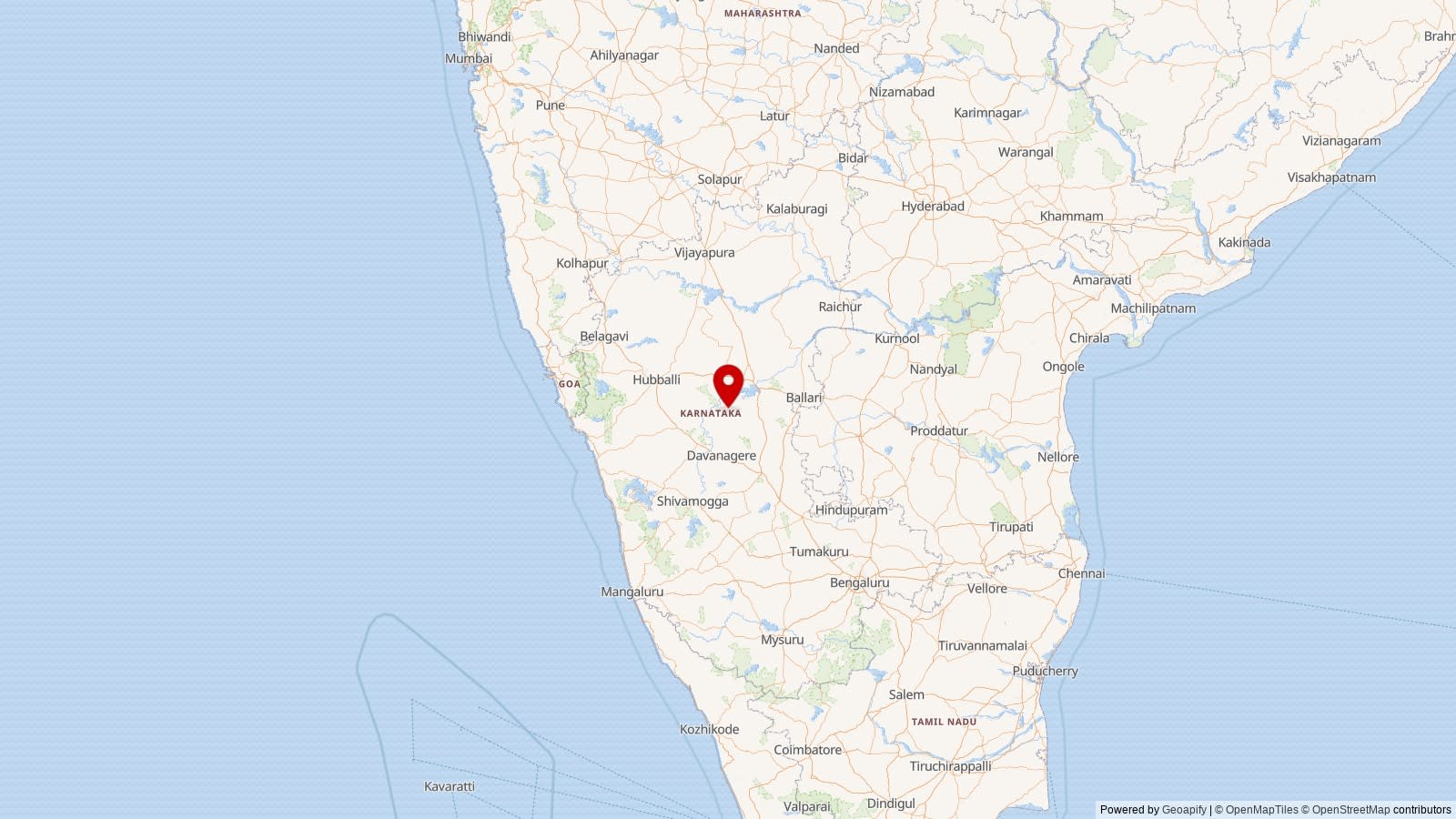
In India, where data centre capacity is expanding rapidly across hubs in Mumbai, Chennai, and Bengaluru, power availability is becoming a critical operational focus. High electricity demand from digital services has forced developers to seek dedicated renewable power contracts under open-access regulations, balancing grid reliability against corporate sustainability targets. While specific Indian grid bypass statistics remain limited, industrial power demands mirror the global shift toward direct bilateral power purchase agreements. Globally, the surge in AI infrastructure is placing immense pressure on national utility grids. The International Energy Agency expects global data centre electricity consumption to roughly double to 945 terawatt-hours by 2030, representing an annual growth rate of 15 per cent between 2024 and 2030. In Southeast Asia, data centre energy demand is projected to more than double over the same period. In Thailand, where the Ministry of Energy estimated in July 2026 that data centre power demand could reach 30,000 megawatts, authorities have been forced to intervene. The country's Energy Regulatory Commission introduced strict grid-screening rules in late 2026 and set separate electricity tariffs for data centres at THB5 to 6 ($0.15 to $0.18) per kilowatt-hour. This higher rate, compared to THB3 ($0.091) per kilowatt-hour for residential households, ensures that industrial digital operations pay for their own network expansion rather than shifting costs onto domestic consumers.
What's being done, and is it working
Institution
Energy Regulatory Commission of Thailand
Introduced a targeted screening framework and higher electricity tariffs of THB5 to 6 per kWh for data centres.
Market
Google and Constellation Energy
Signed a 3.6-gigawatt power agreement to supply Google's data centre operations directly.
Market
Anthropic
Committed $3.4 billion to secure dedicated gas-fired power generation for its AI data centres.
Community
Australian Data Centre Developers
Advocated at industry summits for accelerated renewable grid integration to prevent power bottlenecks from halting expansion.
What you can do
Monitor local utility regulatory filings to understand how large data centre projects affect regional electricity tariffs.
Track energy supplier disclosures regarding behind-the-meter and power purchase agreements with technology firms.
Evaluate corporate sustainability reports to verify whether AI providers use clean power or dedicated fossil fuel generation.
Consult municipal energy boards to see if industrial grid-access guarantees impact domestic electricity costs.
What we still don't know
- Whether host governments will limit off-grid fossil fuel generation when AI companies bypass public green energy targets.
- How public utility commissions will prevent grid stability issues when massive data centre loads suddenly disengage or switch to grid power.
- Whether nuclear power capacity can be deployed quickly enough to meet the 15 per cent annual growth in data centre energy demand.
Questions readers ask
Why are AI labs buying power directly from power plants?
Traditional public electricity grids often take years to approve high-capacity grid connections. By purchasing electricity directly from generators or co-locating at power plants, AI companies avoid long utility queues and secure guaranteed power for massive computing clusters.
Does off-grid power generation affect public electricity prices?
It can. When data centres draw heavily from existing grids, utilities may pass infrastructure upgrade costs to consumers, prompting regulators in places like Thailand to implement higher tariff rates for data centres.
What types of energy are AI companies securing?
Tech companies are securing a mix of energy sources, including long-term agreements for nuclear, natural gas, solar, and wind energy, depending on availability and location.