Donald Trump receives Iran peace terms from Vladimir Putin alongside Russian diesel deal
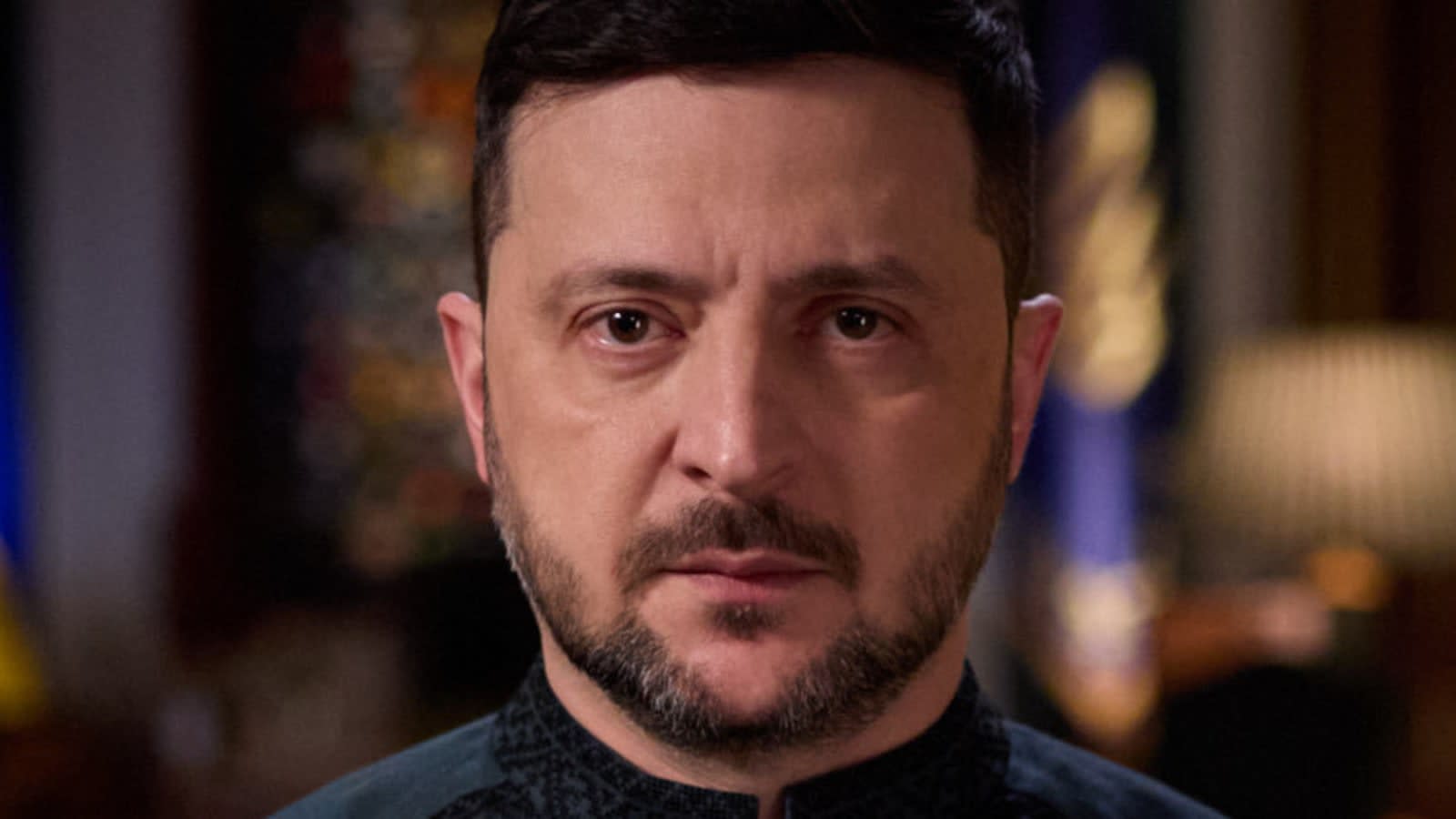
Volodymyr Zelenskyy accuses Washington of funding Moscow's war effort as deadly Russian strikes hit Ukraine following a sanctions waiver.

What happened
Russian President Vladimir Putin has passed on Iran's terms for ending its war with the United States to President Donald Trump, the Kremlin said, just as Washington faced sharp criticism from Ukraine over a deal to import Russian diesel.
Kremlin spokesman Dmitry Peskov said Putin relayed Tehran's position during a phone call with Trump, following consultations with Iranian President Masoud Pezeshkian at a summit in Turkmenistan. The Kremlin did not disclose the specifics of Iran's proposal or how Trump responded, though Russian officials described the exchange between the two leaders as constructive.
The diplomatic contact coincides with an agreement announced by Trump for Russia to supply more than four million tonnes of diesel to global markets in an effort to drive down fuel prices ahead of November's US midterm elections. To facilitate the shipments, the US Treasury Department issued a general license temporarily waiving sanctions on Russian diesel exports through April 2027.
Ukrainian reaction and Russian strikes
Ukrainian President Volodymyr Zelenskyy reacted with fury to the diesel arrangement, calling it a gift to Putin that directly funds Moscow's military campaign.
Hours after the agreement was announced, Russian forces launched five glide bombs at residential buildings in the south-eastern Ukrainian city of Zaporizhzhia, killing 15 people, including three children. Ukrainian officials also reported widespread power outages in the capital, Kyiv, following air attacks on energy infrastructure.
Zelenskyy argued that any easing of sanctions signals to Moscow that it can continue its aggressive military campaign without consequence.
European allies and diplomatic fallout
European officials expressed strong reservations over Washington's arrangement with Moscow. The European Union's chief diplomat, Kaja Kallas, said the deal provides Russia with vital revenue to sustain its war effort. She stated that EU foreign ministers intend to approve a new sanctions package targeting 1,600 Russian individuals and entities.
German and Swedish leaders reiterated their commitment to maintaining existing sanctions on Moscow, warning that energy revenues remain a primary source of funding for Russia's invasion.
Meanwhile, the wider conflict in West Asia remains volatile. Iranian forces have escalated attacks on commercial oil tankers transiting the Strait of Hormuz, while US military vessels have been escorting shipping along the Omani coast to protect trade routes. Whether Putin's transmission of Iranian terms will restart formal peace negotiations between Washington and Tehran remains uncertain.
Key numbers
| What | Figure | Source |
|---|---|---|
| Russian diesel to be supplied under US deal | More than 4 million tonnes | Statement by Donald Trump |
| Casualties from Russian strike in Zaporizhzhia | 15 dead, including 3 children | Ukrainian officials |
| US sanctions waiver duration on Russian diesel | Through April 2027 | US Treasury Department |
In this story
| Name | Role in the story |
|---|---|
| Volodymyr Zelenskyy | Ukrainian President who condemned the US-Russia diesel deal and reported Russian strikes. |
| Vladimir Putin | Russian President who relayed Iran's war resolution proposal to Trump. |
| Ukraine | Country subjected to Russian strikes following the sanctions waiver. |
| Iran | Country in conflict with US and Israel whose terms were conveyed to Washington. |
| Donald Trump | US President who agreed diesel deal with Russia and received Iranian peace terms via Putin. |
| Russia | Country agreeing diesel exports and conducting military strikes in Ukraine. |