Pakistan, Saudi Arabia and Turkiye activate Mecca defence pact for rapid deployment
The three allies agreed at an emergency Riyadh meeting to send military capabilities to the kingdom after strikes on its infrastructure.
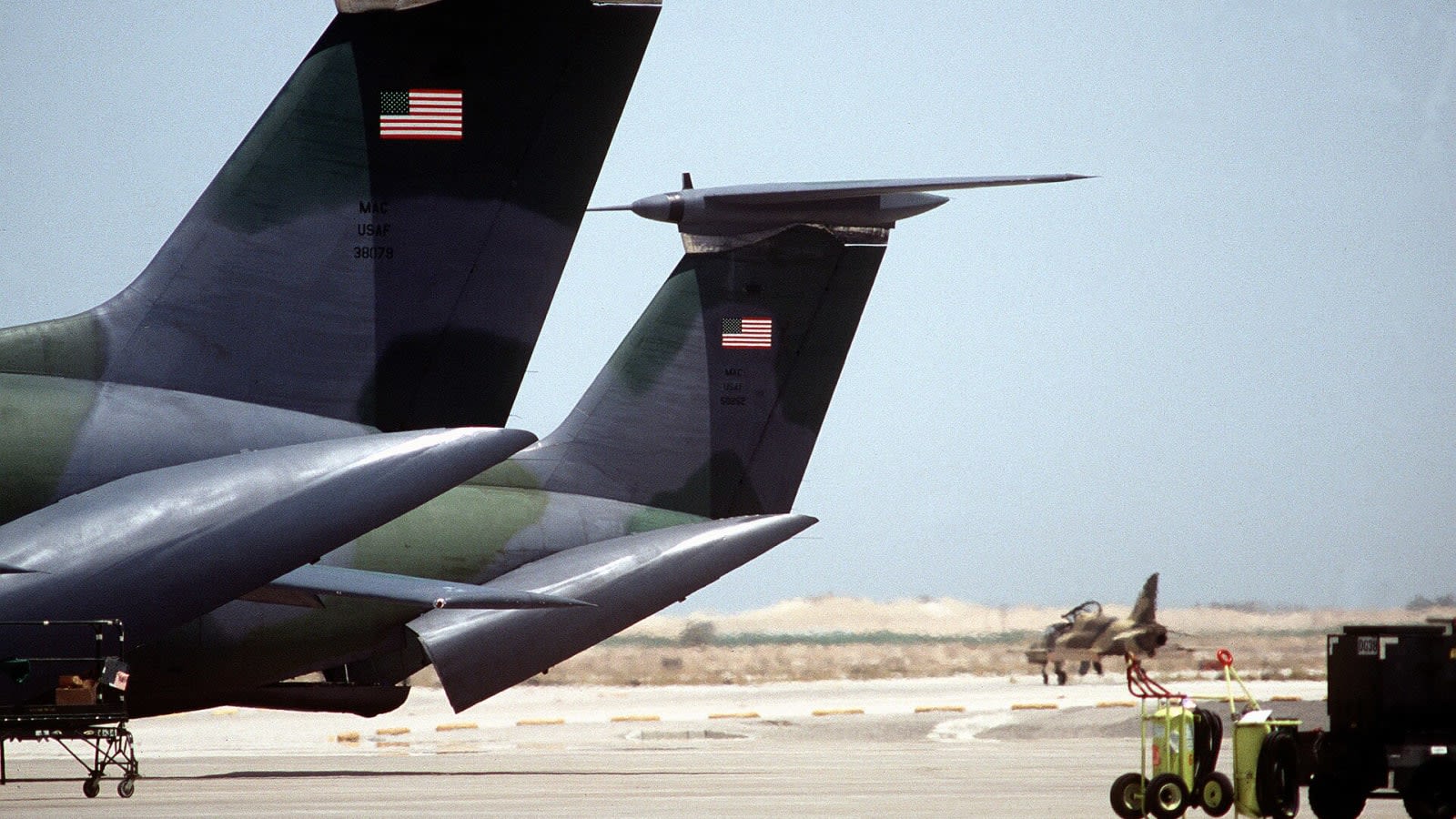
Pakistan, Saudi Arabia and Turkiye have agreed to rapidly deploy allied military forces and capabilities to the kingdom, formally triggering the operational mechanisms of their trilateral Mecca defence pact following an escalation in cross-border attacks by Yemen's Houthi movement.
The decision came out of an emergency meeting in Riyadh of the alliance's Strategic Political and Defence Committee on Monday. In a joint statement released by Pakistan's Foreign Ministry, the three governments said they had resolved to carry out immediate collective deterrence measures under existing national laws and approved frameworks to reinforce Saudi air and territorial defences.
Saudi Defence Minister Khalid bin Salman said the three partners resolved to activate deterrence measures in response to strikes against Saudi territory and holy sites. While the joint communiqué stopped short of setting out specific troop numbers or timetables, Pakistani officials clarified the initial scope of the deployment.
Speaking to Pakistani broadcaster Geo News, Pakistan's Defence Minister Khawaja Asif confirmed that Pakistani and Turkish personnel maintain a presence in the theatre, but noted that their operational footprint remains strictly supportive for now. Asif said Saudi forces are conducting active combat operations, while Pakistani assets are primarily providing reconnaissance and auxiliary assistance.
Why the alliance acted now
The activation follows several weeks of sharp escalation along Saudi Arabia's southern border and across Yemen. Riyadh reported that Houthi forces launched drone and missile attacks that struck a power distribution facility in Medina supplying electricity to the Prophet's Mosque. The alliance's joint statement explicitly condemned attempted strikes against Mecca and Medina as well as civilian infrastructure across the kingdom.
The regional tensions coincide with an offensive launched across the border by Yemen's internationally recognised government. Backed by heavy Saudi coalition air cover—involving around 100 combat jets, according to coalition spokesman Major General Turki al-Malki—Yemeni government forces launched an operation dubbed "Yemen Dawn" to reclaim territory, recently taking back the coastal town of Dhubab near the Bab el-Mandeb Strait.
What the Mecca pact entails
The trilateral agreement was signed on 7 August by Saudi Crown Prince Mohammed bin Salman, Turkish President Recep Tayyip Erdogan, and Pakistani Prime Minister Shehbaz Sharif. Built on mutual defence principles reminiscent of NATO's Article 5, the pact stipulates that an armed attack on any one signatory constitutes an attack on all three.
Until Monday's meeting, however, the pact functioned largely as a political framework without defined collective military obligations. Delegations at the Riyadh session included Pakistan's Deputy Prime Minister Ishaq Dar and Chief of Army Staff Field Marshal Asim Munir, alongside Turkish and Saudi defence and diplomatic leadership, who are working to establish a permanent secretariat for the alliance in Riyadh.
Key numbers
| What | Figure | Source |
|---|---|---|
| Date Mecca pact signed | 7 August 2026 | Joint alliance records |
| Jets deployed in Yemen operation air cover | 100 | Saudi coalition spokesman Maj. Gen. Turki al-Malki |
| Casualties in renewed Yemen fighting | At least 959 killed, over 4,200 wounded | World Health Organization |
| Internally displaced persons in Yemen | 174,097 | World Health Organization and UN agencies |
Questions readers are asking
What is the Mecca defence pact?
Signed in August 2026 by Saudi Arabia, Pakistan, and Turkiye, the Mecca Joint Defence Agreement is a trilateral mutual assistance pact establishing that an attack against any member is treated as an attack against all three.
Will Pakistani and Turkish troops enter direct combat in Yemen?
According to Pakistan's Defence Minister Khawaja Asif, allied Pakistani and Turkish forces are serving in supportive and reconnaissance capacities within Saudi Arabia, leaving frontline combat operations to Saudi armed forces.
In this story
| Name | Role in the story |
|---|---|
| Saudi Arabia | Host nation activating collective defence arrangements after sustaining attacks. |
| Pakistan | Signatory nation providing supportive military deployment and reconnaissance. |
| Turkiye | Signatory nation contributing to the trilateral deterrence framework. |