Russian strike on buses in Kramatorsk kills over 30 near Ukraine frontline
A guided bomb attack on two passenger buses in eastern Ukraine comes amid a sharp escalation in Russian air strikes across the country.

What happened in Kramatorsk
A Russian guided-bomb strike on two passenger buses in the frontline city of Kramatorsk has killed at least 30 people, according to Ukrainian officials.
The attack on Thursday morning also wounded 18 others, leaving the burned-out metal shells of the buses and victims scattered across a street in eastern Ukraine. While the Donetsk regional prosecutor's office put the death toll at 30, rescue officials later stated that 33 people had died in the blast.
Donetsk regional governor Vadym Filashkin accused Russian forces of deliberately targeting public transport to cause maximum civilian casualties. Following the attack, authorities suspended all public transport in Kramatorsk and neighbouring Slovyansk to protect drivers and passengers. Filashkin also repeated appeals for remaining residents to evacuate the region.
"These are not 'the consequences of war', nor dry statistics," Filashkin wrote on Telegram. "These are people killed by the Russian army." Moscow has not yet commented on the strike.
Escalating air strikes
The attack marks a major escalation in air strikes on Ukrainian cities. Only a day earlier, on Wednesday, a Russian strike on a five-storey residential building in Pryluky, east of Kyiv, killed 22 people, including five children. UN data shows civilian casualties have surged this year, with more civilians killed by August than in the entirety of 2025.
Kramatorsk, long a vital logistics hub for the Ukrainian military, is now facing almost daily bombardments. Along with Slovyansk, it forms part of Ukraine's "fortress belt" of defensive strongholds. Russia has repeatedly used glide bombs—traditional munitions fitted with wings to extend their range—to target these cities as its forces push to capture the remaining 20 percent of Donetsk province still under Ukrainian control.
In late August, as many as nine glide bombs were fired at Kramatorsk in a single day. Kramatorsk City Council described the latest strike as a "horrific crime committed by the Russian army against the civilian population," adding that the strike had hit an area with no military targets whatsoever.
What happens next
The Kremlin has long claimed the "liberation" and "protection" of the predominantly Russian-speaking Donbas region as its justification for the full-scale invasion. Both Russia and Ukraine have intensified long-range strikes on each other in recent months, with Russian attacks targeting Ukrainian data centres and logistics warehouses.
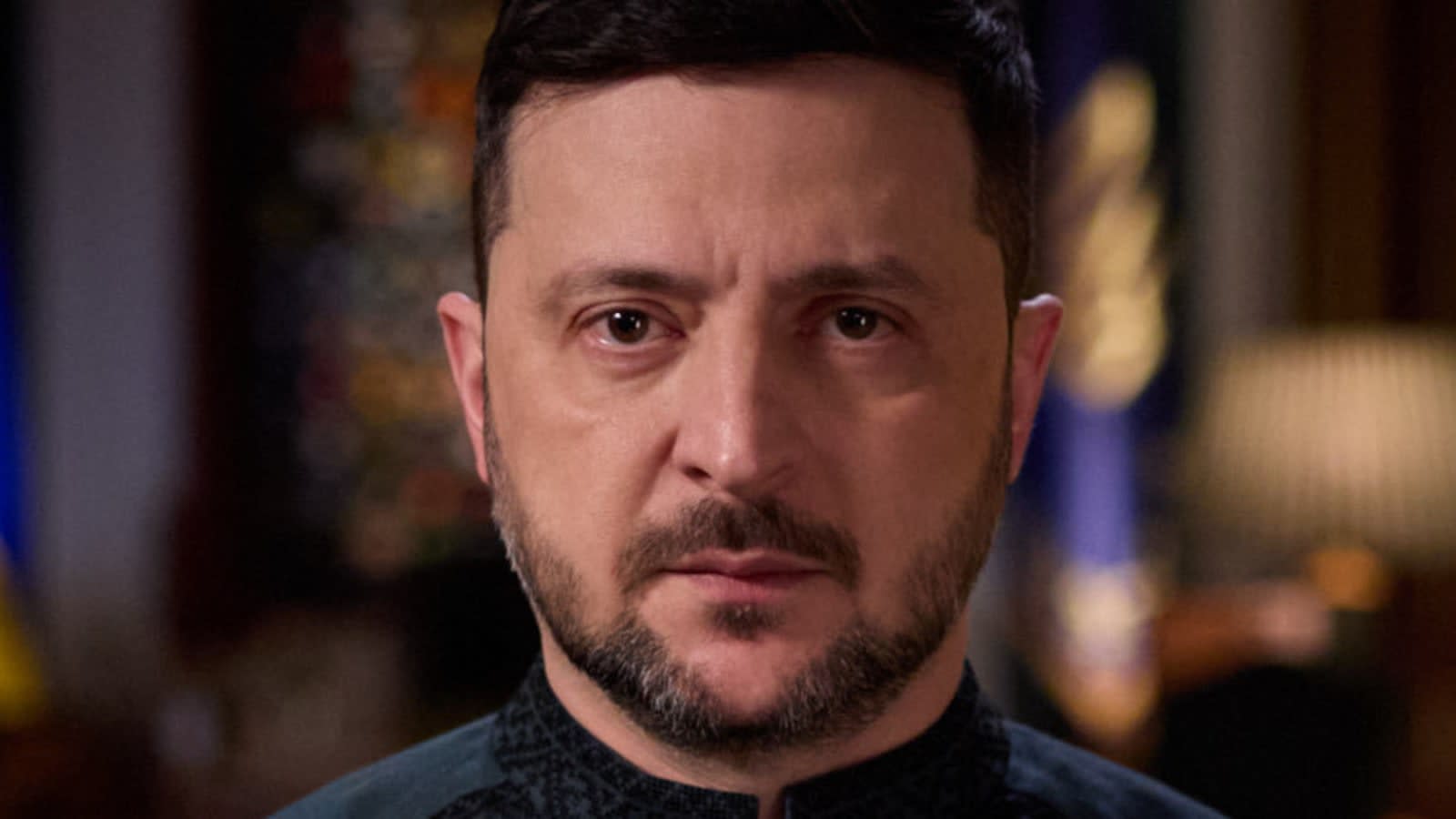
Ukrainian President Volodymyr Zelensky offered his condolences to the victims' families and urged Ukraine's international partners to provide "concrete action through new defence packages". With air defence interceptor missiles in short supply globally, Ukrainian forces have struggled to stop the daily barrage of Russian guided bombs and ballistic missiles.
Key numbers
| What | Figure | Source |
|---|---|---|
| Kramatorsk strike death toll | 30 to 33 | Donetsk regional prosecutor's office and rescue officials |
| Kramatorsk strike wounded | 18 | Donetsk regional prosecutor's office |
| Pryluky strike death toll | 22 | Local authorities |
In this story
| Name | Role in the story |
|---|---|
| Vadym Filashkin | The Donetsk regional governor who reported the casualties and ordered transport suspensions. |
| Kramatorsk | The frontline city in eastern Ukraine where the bus strike occurred. |