US fighter pilot recounts 50-hour survival and rescue in Iran
A US Air Force colonel has detailed his escape from Iranian forces after ejecting with a broken back and a failed parachute.
A US Air Force officer has described surviving for 50 hours in the Iranian desert with a broken back, a fractured arm, and a shattered shoulder after his fighter jet was shot down by a shoulder-fired missile.
The officer, a colonel identified only by his mission call sign Bravo, was the weapons systems operator on an F-15E Strike Eagle—flying under the call sign Dude 44—when it was struck on 2 April near the city of Isfahan. The $100,000 shoulder-fired missile hit the $30 million jet with what Bravo described as the force of a "freight train". Both crew members ejected, but Bravo’s parachute was badly damaged during the escape.
He free-fell to the ground at an estimated 70 to 100 mph (113 to 161 km/h). "At one point, when I looked up and saw no parachute, that was the most terrifying thing I've ever seen," he said in an interview with CBS News's 60 Minutes programme.
Despite his severe injuries, Bravo dragged himself away from the landing site. With Iranian authorities offering a $60,000 bounty for the crew and armed groups hunting nearby, he used his survival training to scale a 7,000-foot ridgeline, eventually hiding in a mountain crevice with little more than a pistol, a tracking beacon, and no food or water.
The jet's pilot, codenamed Alpha, was rescued within six hours during a chaotic daytime helicopter raid. "It was a gun fight all the way in and all the way out," US Secretary of Defense Pete Hegseth said of that first extraction. But rescuers could not locate Bravo and had to withdraw as Iranian forces closed to within a few hundred metres of his position.
Bravo eventually managed to send a short beacon message: "God is good." The signal sparked a massive planning effort. The CIA launched a covert deception campaign to convince Tehran that Bravo had already been smuggled out of the country by road, while using classified tracking technology to pinpoint his exact location.
To clear the way for his extraction, US bombers and drones struck nearby Revolutionary Guard forces. More than 90 elite American troops landed on a makeshift desert runway—marking the first time US forces had operated on the ground inside Iran in 46 years.
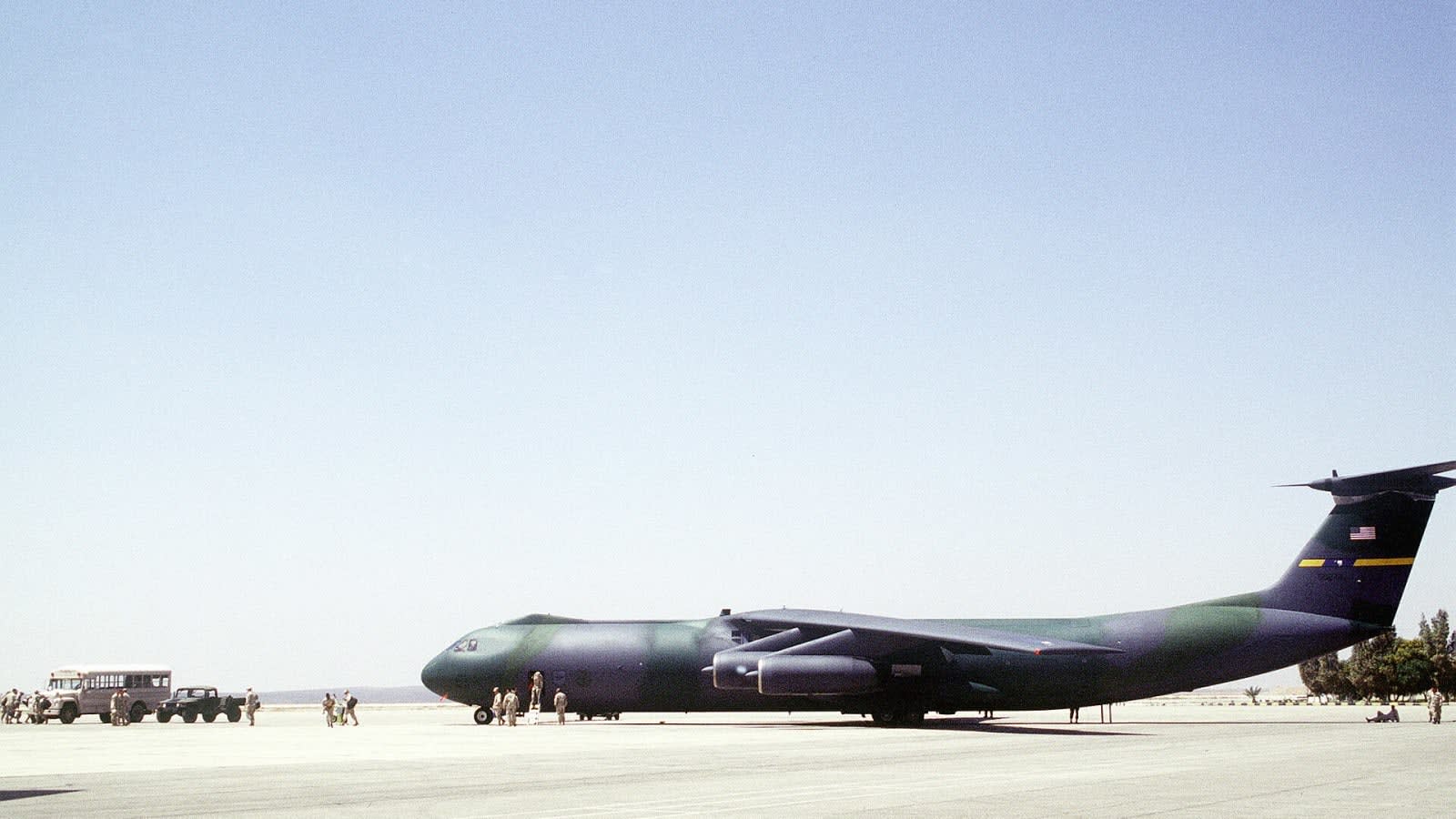
Bravo was rescued on Easter Sunday morning, but the operation faced a final setback when two large C-130 rescue aircraft became stuck in the soft desert sand. Rather than risk highly sensitive military technology falling into Iranian hands, the US military destroyed both planes—valued at roughly $100 million each—alongside several "Little Bird" helicopters, before flying the troops and Bravo to safety on backup aircraft.
What is the political fallout?
The 60 Minutes broadcast has sparked political controversy in the US. Critics have accused the Trump administration of using the segment as pro-war propaganda to boost support for the conflict with Iran, which is now in its seventh month and increasingly unpopular due to rising energy prices.
While reports claimed the pilots were pressured to appear on television to provide a success story, Pentagon spokesperson Sean Parnell denied this. Parnell stated that the decision to participate was "each pilot's alone, because it is their story."
Key numbers
- $30,000,000
- $100,000
- 70 to 100 mph
- $60,000
- $100,000,000 each
- 90+