US links Chinese satellite images to fatal Iranian strike on troops in Jordan
Intelligence findings show Beijing-backed companies supplied high-resolution targeting data to Tehran before and after the deadly July attack.
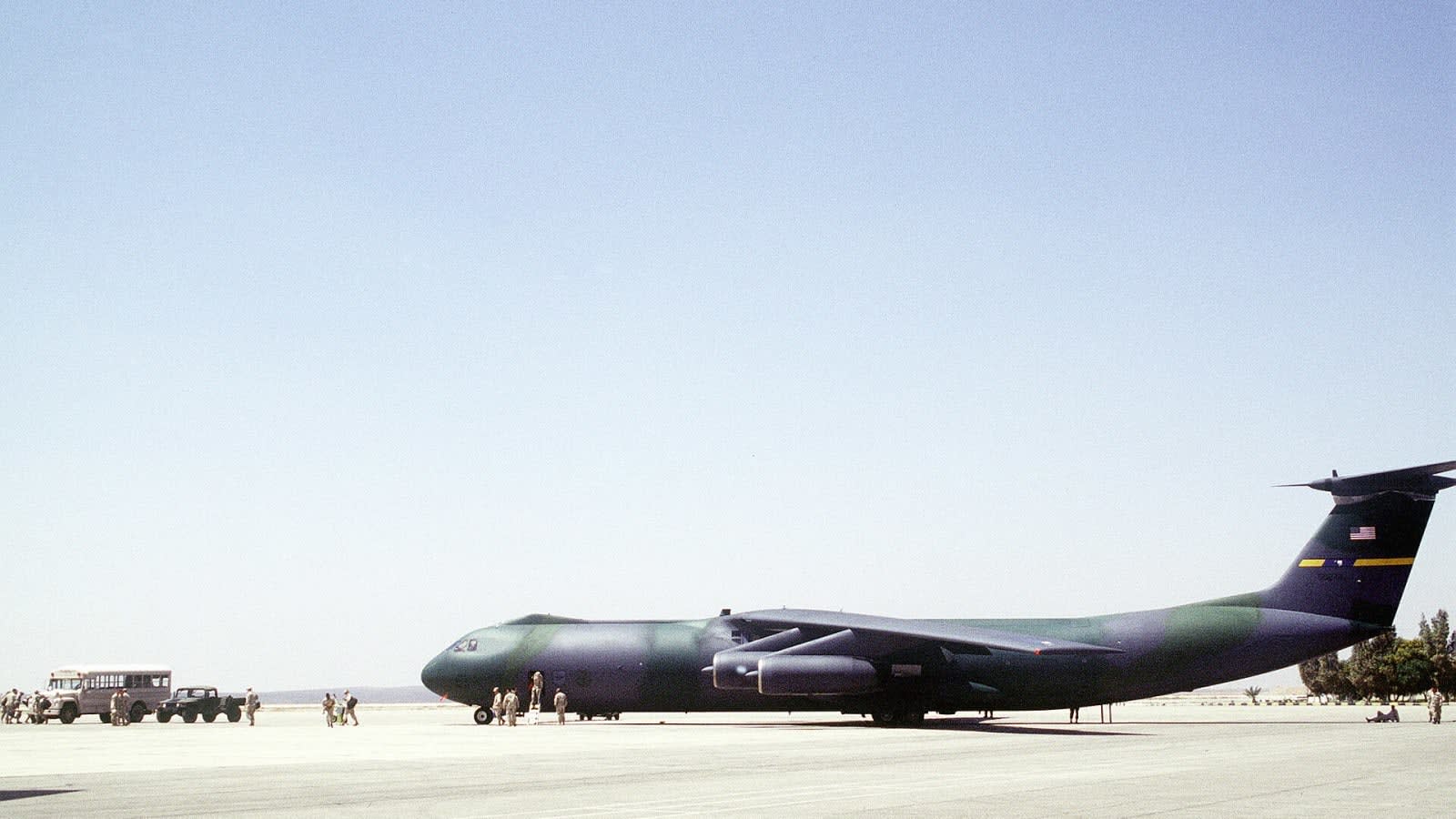
US intelligence officials have connected high-resolution satellite imagery supplied by Chinese companies to a devastating Iranian missile strike in Jordan that killed three American soldiers in July.
The findings, first reported by the Wall Street Journal, represent the clearest evidence yet that Chinese technology has had lethal consequences for US forces in the Middle East. According to officials familiar with the intelligence, Tehran acquired precise images of Muwaffaq Salti Air Base both before and after the July 17 attack.
During that strike, Iranian ballistic missiles tore into a housing area where American troops were sleeping, killing three and wounding four others. It was a highly coordinated assault—part of three separate missile barrages launched at the northeastern Jordan installation within 24 hours. The strike also targeted manned and unmanned aircraft on the airfield.
For months, US intelligence had noticed a marked improvement in Iran's targeting capabilities. Previously, Iranian strikes often hit low-value areas of US installations, suggesting a lack of clear battlefield intelligence. But fresh, high-resolution imagery changed that. Jim Lamson, a former CIA analyst specialising in Iran’s military, said such data allows Tehran to "select the most impactful targets in a timely manner" and quickly assess the damage to plan follow-up strikes.
US officials declined to name the specific entities that supplied the imagery for the July strike, and they have not accused Beijing of direct involvement. However, they point out that the line between commercial and state-run satellite companies in China is virtually non-existent.
The disclosure comes at a highly sensitive diplomatic moment. President Donald Trump is scheduled to meet Chinese leader Xi Jinping on September 24. Behind the scenes, senior US officials have raised the imagery with their Chinese counterparts, only to be met with demands for proof and blanket denials. Publicly, the administration has tried to avoid a pre-summit blow-up. Days after the attack, Secretary of State Marco Rubio downplayed the connection, telling reporters that "nothing that China has done has in any way changed the trajectory of the conflict."
Yet the administration has quieted none of its concerns. In May, Washington sanctioned three Chinese satellite firms—MizarVision, Earth Eye, and Chang Guang—for providing imagery to Iran. US officials have also briefed congressional intelligence committees on the flow of Chinese technology to Tehran, which includes drone parts, missile components, and navigation services. There are also mounting fears that Chinese data is helping Iran target US warships and aircraft carriers in the Red Sea and Gulf of Aden.
Meanwhile, the complex geopolitics of the conflict were on display in New Delhi on Saturday. At a BRICS summit hosted by Indian Prime Minister Narendra Modi, Xi Jinping sat alongside Iranian President Masoud Pezeshkian and Russian President Vladimir Putin.
Despite China's quiet role in bolstering Iran's military reach, Xi told the summit that the Middle East war "does not serve the common interests of the international community." In a joint statement, the bloc called for "maximum restraint" to avoid further escalation. For Washington, however, the restraint they want to see most is in Beijing's satellite feeds.
Key numbers
- 3
- 4
- 3
- 40%