Fresh air found in mud-choked Nepal tunnels offers hope for 900 trapped workers
More than two weeks after a catastrophic glacier collapse, rescuers have detected hollow spaces in the pitch black.
Rescue teams searching the mud-choked tunnels of a Nepalese hydropower plant have detected pockets of fresh air, sparking fresh hope that some of the hundreds of workers trapped underground for over two weeks may still be alive.
The breakthrough came at the Chilime hydropower project in Rasuwa, one of 11 plants engulfed when a massive glacier collapsed on the Nepal-Tibet border on August 26. The collapse triggered a catastrophic wall of water and debris that buried tunnel entrances, trapping an estimated 900 workers inside.
"This is the first time we've had fresh air, as opposed to water and mud," said Arnold Dix, an Australian tunnelling expert who was brought in to assist local rescue teams. Speaking from the site, Dix said rescuers could hear hollow echoes when calling into the depths. "We think we've found a zone where people may have survived."
The struggle inside the tunnels
The conditions inside are brutal. Those trapped have been in pitch darkness for more than 15 days, with nothing but dripping water to keep them alive. Yet Dix remains optimistic, pointing out that some of the heavily reinforced underground power stations likely withstood the immense pressure of the initial deluge.
There is precedent for miracles here. Just days ago, soldiers pulled a Chinese national alive from a tunnel at the nearby Trishuli-3A project. Two other hydropower workers and a woman buried in her home were also rescued last week, proving that survival is still possible.
But the scale of the wider disaster is staggering. According to Nepal’s National Disaster Risk Reduction and Management Authority (NDRRMA), the death toll has reached 1,356, with another 43 deaths reported across the border in China. Nearly 5,000 people remain missing in Nepal alone, including almost 600 foreigners.
A landscape transformed by debris
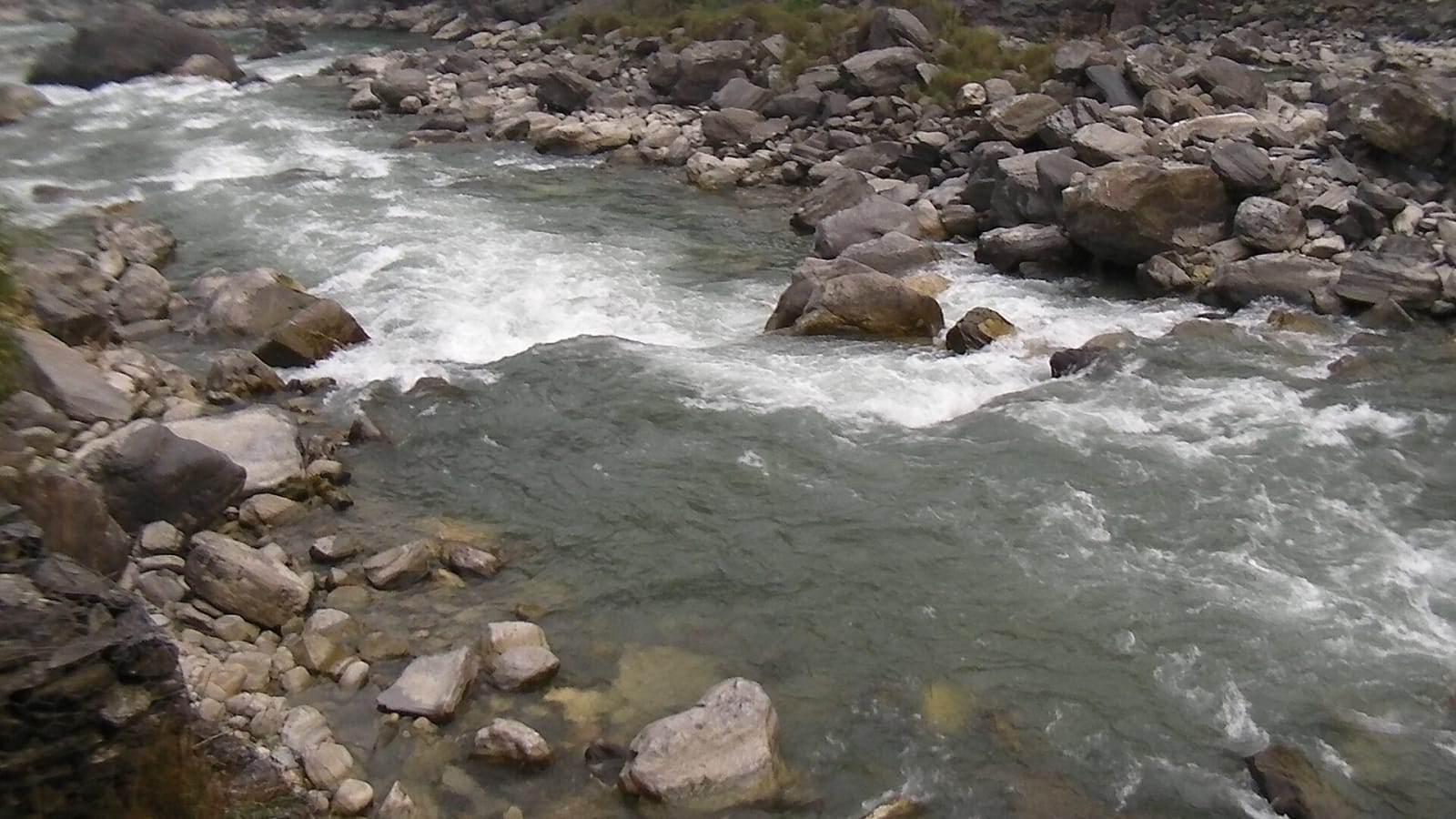
The disaster began when a colossal mix of ice and rock broke away at the border, sending a violent torrent down the Bhotekoshi River. The surge swept away entire settlements, highways, and bridges. In Betrawati, a local survivor, Dev Kumari, described a harrowing escape as the waters rushed through her community, while video from a nearby school showed pupils fleeing to upper floors as a river of mud and boulders swallowed the road below.
For those who did not escape, the process of recovery is grim. Rivers have deposited bodies miles downstream, with major toll counts in districts like Chitwan, where 363 bodies have been recovered, and Nawalparasi.
Identifying the victims has become a desperate race. Authorities have only managed to identify 98 bodies so far. To cope with the scale of the tragedy, police have resorted to collecting DNA samples from grieving relatives before burying more than 1,000 unidentified victims.
Nepal’s Prime Minister, Balendra Shah, has promised that rescue operations will not stop, writing on social media that the government is doing everything it can to translate "the humanitarian spirit of the Nepali people into practice." For the families waiting at the tunnel mouths, that spirit is currently pinned on the faint echo of fresh air.
Key numbers
- 1,356
- 900
- 4,996
- 11