Alan Milburn calls for primary school careers lessons from age four
A government-commissioned review warns that England is failing its youth, leaving nearly a million young people out of work or education.
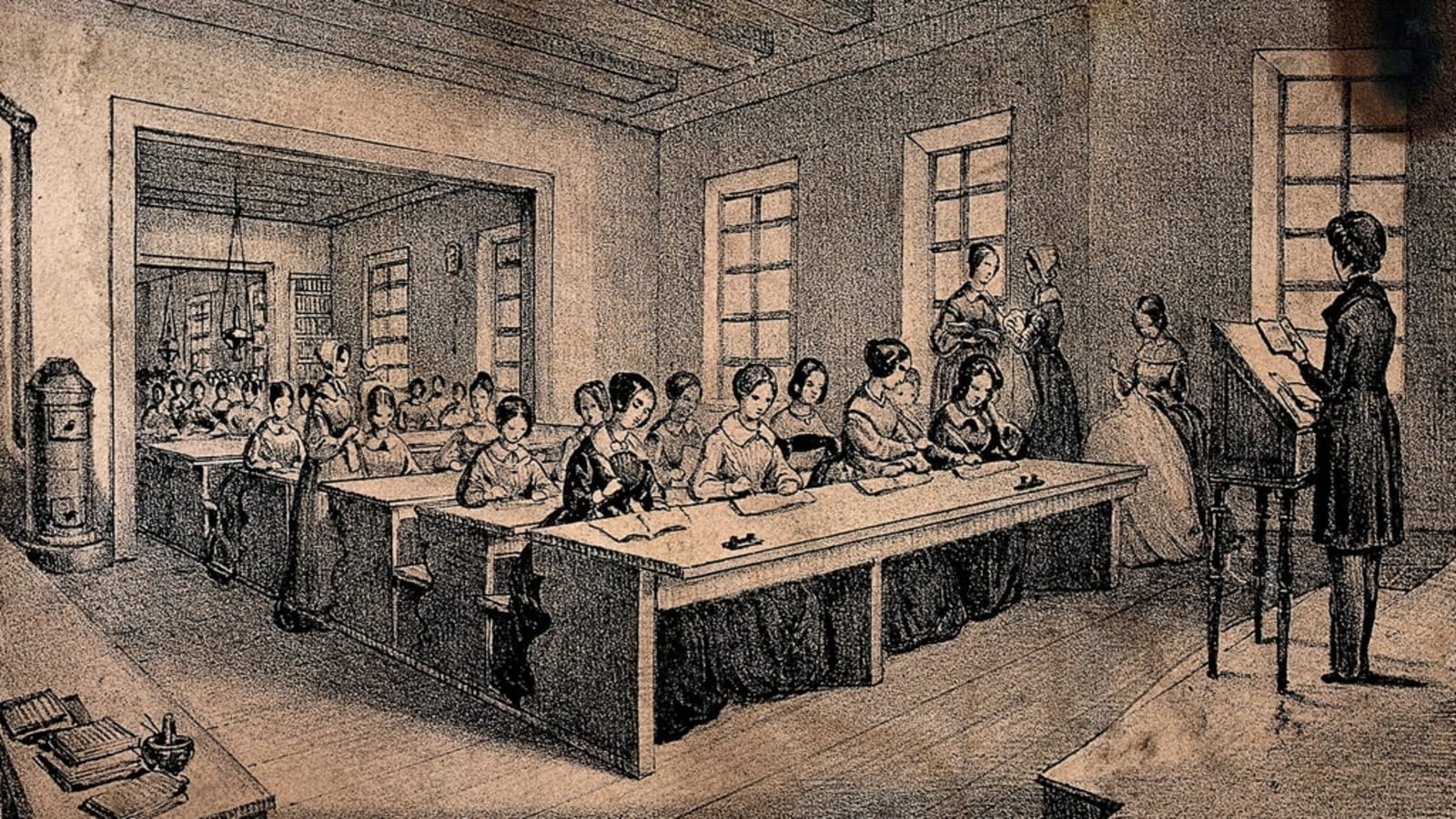
Children in England should start learning about jobs and careers from the age of four, according to a major review aimed at tackling youth unemployment.
Alan Milburn, the former Labour cabinet minister, says introducing young children to the world of work is essential to prevent them from falling out of the system later in life. His proposals, which will form part of a government-commissioned report due this autumn, also include making work experience mandatory for all pupils aged 14 to 16.
The recommendations come as official figures show a persistent crisis in youth employment. Between April and June 2026, there were 981,000 young people aged 16 to 24 in the UK who were not in education, employment, or training (NEET).
What is being proposed?
Milburn argues that the path toward becoming NEET often begins long before a teenager turns 16. To combat this, he wants schools to dedicate time in the curriculum to career learning as soon as children start primary school.
This would not mean formal job training for four-year-olds, but rather having local employers visit schools to give talks and run taster sessions. The goal, Milburn said, is to "broaden horizons" and give young children "a sense of what is possible."
For pupils in Key Stage 4—those aged 14 to 16—Milburn wants to make workplace experience compulsory, complete with formal feedback from employers. Currently, careers advice in England is only required for students aged 11 to 18, and work experience is voluntary.
Milburn warned that the current voluntary system is unfair, leaving about 40% of 14- to 16-year-olds with no work experience at all. Those who do get placements often have to find them themselves, which Milburn said "often relies on the network of Mum and Dad."
How do other UK nations compare?
While the recommendations in Milburn’s review look at the entire UK, his specific education proposals apply only to England because education policy is devolved.
Both Scotland and Wales already mandate career-based learning for children starting as young as three.
In England, the Labour government has previously stated a goal to guarantee two weeks of work experience for every young person, though it is not yet a statutory requirement.
What is the reaction from schools and parents?
Teaching unions have welcomed the idea of early career education but warned of the heavy burden already placed on teachers.
Paul Whiteman, the general secretary of the National Association of Head Teachers (NAHT), said primary schools are under "significant pressure" and raised concerns about curriculum space. "Whenever new mandatory requirements are proposed, it is important to be clear about what might have to give way to make room for them," Whiteman said.
He pointed out that schools already use successful volunteer programmes, such as "Primary Futures", to connect children with different professions and challenge early stereotypes.
Pepe Di'Iasio, general secretary of the Association of School and College Leaders (ASCL), said that while employer visits can spark passion in children, finding placements and speakers could prove much harder for schools in rural areas.
Parents and guardians are also divided. Some fear the plans risk forcing children to grow up too quickly, while others argue that early exposure prepares them for the real world.
Key numbers
| What | Figure | Source |
|---|---|---|
| UK youth aged 16 to 24 classified as NEET (April-June 2026) | 981,000 | Office for National Statistics |
| Proportion of 14-16 year olds getting no work experience | 40% | Alan Milburn |
| Proposed age to begin careers education in England | 4 | Alan Milburn |
Questions readers are asking
At what age would children start learning about careers under this proposal?
Alan Milburn proposes starting career education at age four, when children begin primary school, through employer talks and taster sessions.
Is work experience currently compulsory for teenagers in England?
No, work experience is not currently statutory in England, but the government has stated a desire to guarantee two weeks of placements for all young people.
In this story
| Name | Role in the story |
|---|---|
| Alan Milburn | Former cabinet minister and author of the youth activity review proposing these education changes. |
| England | The nation within the UK where these educational policy changes are being proposed. |