El Niño impact: Proactive water management proposed as study maps pollution shifts
A three-point governance plan and atmospheric research highlight India's focus on managing climate fluctuations.

Proactive governance initiatives and atmospheric research are reshaping how India prepares for the complex impacts of El Niño weather patterns. As climate cycles bring shifting rainfall and air quality challenges, leaders and scientists are calling for coordinated monitoring alongside localized infrastructure action.
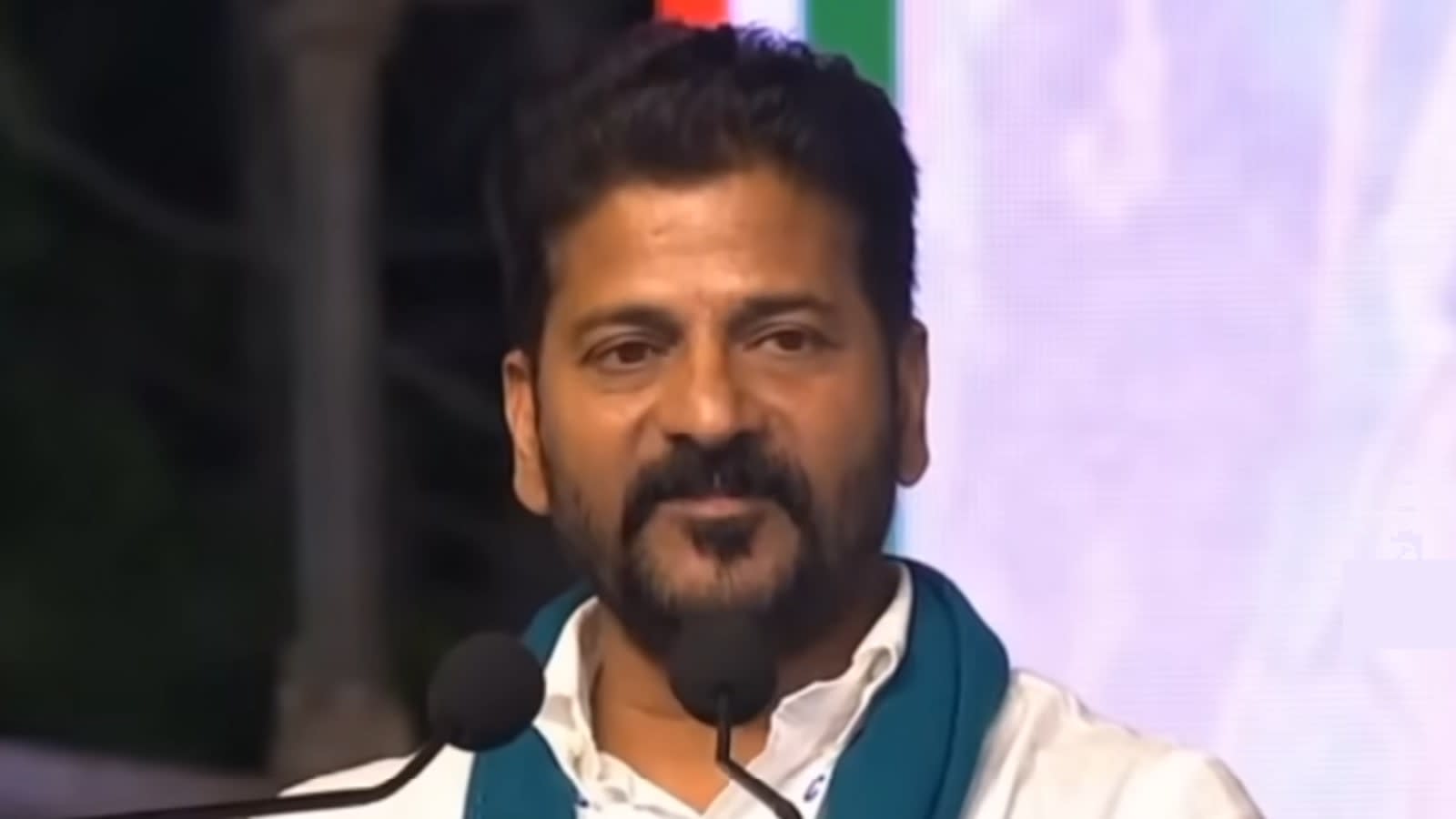
In Telangana, senior BJP leader Gudur Narayana Reddy has proposed a three-point strategic plan to protect agricultural stability, drinking water supplies, and power grids from El Niño disruptions. His proposal emphasizes translating administrative priorities into measurable public action before peak summer conditions arrive.
Strategic measures for El Niño resilience
To ensure climate preparedness, the proposed framework focuses on institutional coordination, community infrastructure, and transparent public monitoring.
| Measure | Focus Area | Proposed Action |
|---|---|---|
| Technical Cell | Inter-departmental coordination | Small expert group of hydrologists, agronomists, and officials from Irrigation and Agriculture departments |
| Groundwater Recharge | Water conservation | Desilting tanks, check dams, farm ponds, and percolation pits in water-stressed mandals |
| Public Dashboard | Resource tracking | Real-time tracking of reservoir releases, water tanker movements, and agricultural electricity supply |
Reddy stressed that the government focus on safeguarding drinking water was appropriate, but said the emphasis must now be on translating directions into localized, measurable, and publicly accessible action.
How El Niño shifts air pollution across regions
The governance push comes alongside a landmark study published in Atmospheric Pollution Research by atmospheric scientist Gufran Beig and fellow researchers. The paper reveals how large-scale El Niño-Southern Oscillation transitions alter regional atmospheric circulation and redistribute fine particulate matter (PM2.5) across India, independently of local emission changes.
During the La Niña winter of 2022-23, stronger northern winds dispersed emissions away from North India, dropping PM2.5 levels by up to 30% compared to the 2019-22 average. However, those winds carried pollutants southwards, pushing Mumbai's PM2.5 levels up by 45%.
The following winter of 2023-24, under El Niño conditions, the atmospheric setup reversed. Weaker surface winds created stagnation across northern and western regions, trapping pollutants close to the ground.
| Region or City | La Niña Winter (2022-23) PM2.5 | El Niño Winter (2023-24) PM2.5 | Atmospheric Mechanism |
|---|---|---|---|
| North India Average | Decline up to 30% | Sharp increase | Stronger dispersion under La Niña versus stagnation under El Niño |
| Mumbai | Spike of 45% | Sharp decline | Southward pollutant transport during La Niña |
| Jaipur | Not disclosed | Increase of ~50% | Trapped air masses under El Niño surface pressure |
| Delhi | Lower relative levels | Increase over 10% | Weakened wind clearance during El Niño |
Long-term climate preparedness
The study underscores that while atmospheric phenomena alter pollution dispersion, strong local governance and adaptive planning remain essential. The researchers cautioned that while two distinct winters were analyzed, weather behavior varies every year. Meanwhile, state authorities are being urged to adopt transparent monitoring tools and water conservation works to ensure long-term resource security.
Key numbers
| What | Figure | Source |
|---|---|---|
| North India PM2.5 drop during 2022-23 La Niña | Up to 30% | Study in Atmospheric Pollution Research led by Gufran Beig |
| Mumbai PM2.5 spike during 2022-23 La Niña | 45% | Study in Atmospheric Pollution Research led by Gufran Beig |
| Jaipur PM2.5 increase during 2023-24 El Niño | Around 50% | Study in Atmospheric Pollution Research led by Gufran Beig |
| Delhi PM2.5 increase during 2023-24 El Niño | Over 10% | Study in Atmospheric Pollution Research led by Gufran Beig |
In this story
| Name | Role in the story |
|---|---|
| El Niño | Central climate phenomenon causing atmospheric shifts and water management concerns. |
| Gufran Beig | Atmospheric scientist and co-author of the El Niño air pollution study. |
| Telangana | Indian state where water management measures were proposed. |
| Gudur Narayana Reddy | Senior BJP leader who proposed a three-point water and power action plan in Telangana. |