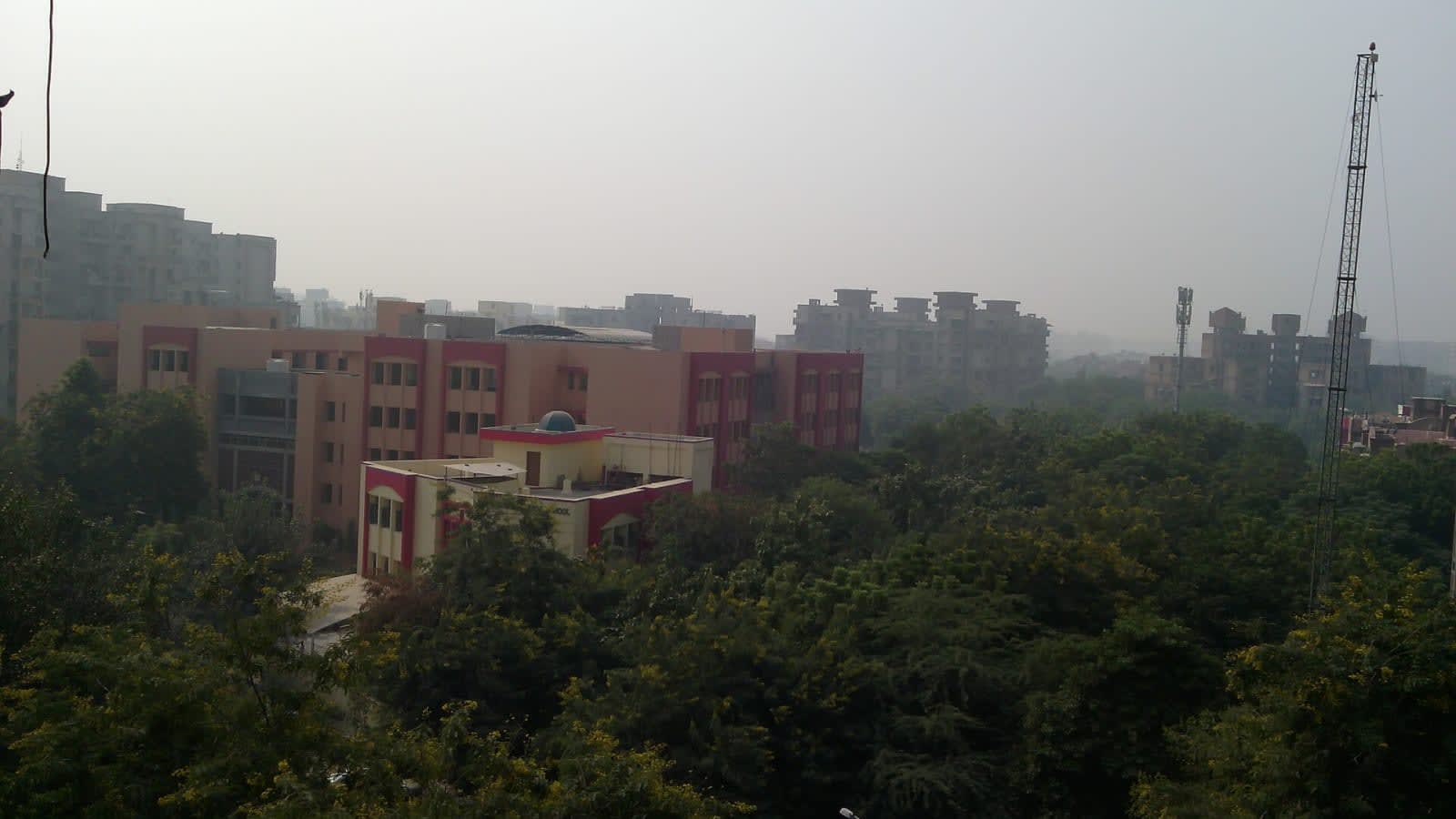
Delhi AQI set to slip into poor category as winter weather hampers dispersion
Slowing winds and dropping temperatures are forecast to push the capital's air quality into the poor band for the first time since July.

Delhi's air quality is forecast to slip into the poor category on Wednesday, ending a 100-day run of cleaner air as early winter weather sets in across the National Capital Region.
The city's Air Quality Index stood at 179 on Tuesday afternoon, keeping it in the moderate band. Forecasters at the Air Quality Early Warning System warned that declining wind speeds and cooler atmospheric conditions will prevent particulate matter from dispersing, pushing readings past the 200 threshold.
The anticipated drop marks the capital's first poor air day since 13 July, when the index touched 246. Weather tracking models indicate that the poor band is likely to persist through 23 October, with the subsequent six-day outlook also projecting similar levels.
Why Delhi's air quality is deteriorating
The shift is driven primarily by meteorological factors rather than an abrupt surge in local emissions. According to the warning system, the regional ventilation index has fallen below 6,000 square metres per second, while average wind speeds have slowed to under 10 kilometres per hour. In atmospheric monitoring, conditions below these thresholds trap vehicular exhaust, road dust, and construction particulates close to the ground.
Seasonal cooling across northern India is also setting in. Maximum temperatures across Delhi's primary monitoring stations remained below seasonal averages on Tuesday:
| Weather station | Maximum temperature (°C) | Departure from normal (°C) | Minimum temperature (°C) |
|---|---|---|---|
| Safdarjung | 31.8 | -0.8 | 17.7 |
| Palam | 29.3 | -3.5 | 17.3 |
| Lodhi Road | 31.4 | -0.6 | 17.0 |
| The Ridge | 31.0 | -2.3 | 18.5 |
| Ayanagar | 31.0 | -2.1 | 18.0 |
None of the five base stations recorded rainfall between 8:30 am and 5:30 pm on Tuesday, according to the India Meteorological Department.
How the Central Pollution Control Board classifies AQI
The Central Pollution Control Board tracks urban air quality using an index graded across six bands based on the concentration of key pollutants:
| Category | Index range |
|---|---|
| Good | 0–50 |
| Satisfactory | 51–100 |
| Moderate | 101–200 |
| Poor | 201–300 |
| Very poor | 301–400 |
| Severe | 401–500 |
Coordinated administration response
Ahead of the seasonal downturn, administrative machinery across central and state agencies has stepped up surveillance under the Graded Response Action Plan. Municipal bodies have deployed mechanical road sweepers and water-sprinkling trucks along major arterial corridors to suppress dust, while enforcement teams maintain regular checks on construction zones and industrial clusters.
Early warning forecasts have allowed government departments to calibrate municipal operations before the winter inversion deepens, ensuring infrastructure controls and transport monitoring are active well ahead of severe episodes.
Key numbers
| What | Figure | Source |
|---|---|---|
| Delhi AQI on Tuesday | 179 | Central Pollution Control Board |
| Days since last poor AQI reading | 100 | Air Quality Early Warning System |
| Previous poor AQI date and value | 13 July (AQI 246) | Central Pollution Control Board |
| Critical ventilation index threshold | Below 6,000 sq m/sec | Air Quality Early Warning System |
| Critical wind speed threshold | Less than 10 kmph | Air Quality Early Warning System |
In this story
| Name | Role in the story |
|---|---|
| Delhi | The national capital experiencing deterioration in air quality. |
| Air Quality Early Warning System | Forecasting body predicting the slip into the poor AQI band. |
| Central Pollution Control Board | National authority that establishes India's AQI categories and tracks daily pollution indices. |