Rare northern bald ibis guided across Europe to Spain by ultralight planes
Fifteen young birds have arrived in Catalonia from Austria to help rebuild wild populations of a species once extinct in Europe.
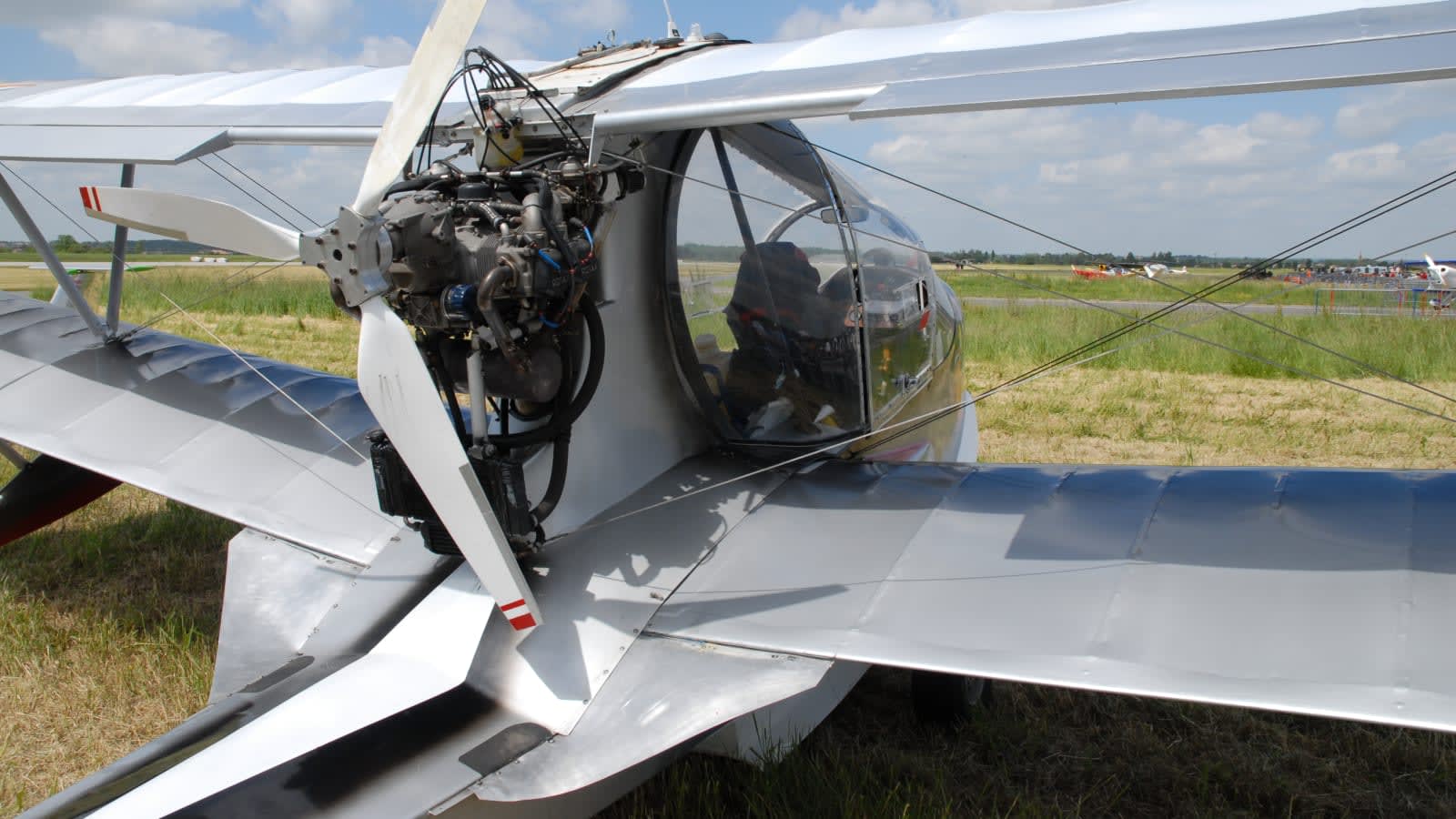
Fifteen rare northern bald ibis have successfully completed a guided migration across Europe, arriving in northern Spain with the help of human pilots flying ultralight aircraft.
The birds landed in Alt Empordà, Catalonia, to join an established flock. It is the latest step in a continent-wide effort to restore a species that has been extinct in wild Europe for 300 years. By the end of the 20th century, the world's last major wild population of northern bald ibis, located in Morocco, had plummeted from 9,000 to just 250. This crisis sparked captive breeding and reintroduction programmes, first in Austria and Jerez, Andalucía, and now in Catalonia.
Restoring the flock in Catalonia
The Spanish leg of the project is based at Torre d'en Mornau, a former military stable in the Aiguamolls wetlands. Bernat Garrigós, the biologist who runs the Alt Empordà project, said the team began its work in 2024. By the following year, they had established a first-generation flock of nearly 60 birds, which were released into the wild in March 2026.
Because they have lived in protected environments, the birds have no natural fear of humans and are remarkably social. "They are such intelligent birds," Garrigós said. "They like to check everything that comes into the project with their beaks; your socks, the food, everything."
The birds do not begin breeding until they are at least three or four years old. Garrigós hopes to see the project's first breeding pair within the next year or two. To encourage them, conservation staff and volunteers plan to partially build nests on custom towers around the stables, effectively showing the young birds how to build their homes.
Flying with foster parents
Teaching captive-born birds how to migrate requires human intervention. The Alt Empordà project works closely with conservationists in Austria and Jerez. To guide the birds along the long migration routes, human "foster parents" from the Austria-based Waldrapp team fly alongside the flock in ultralight aircraft.
The Waldrapp team has spent 20 years perfecting this technique, and their experience has helped the Catalan team avoid early mistakes, keeping mortality rates low.
Over the next decade, Garrigós aims to establish a self-sustaining wild population of at least 50 breeding pairs and 300 individuals in the Alt Empordà region. Positioned roughly halfway between Austria and Andalucía, the county is an ideal stopover. Connecting these different European colonies is critical to ensuring the birds migrate, interbreed, and build a healthy, diverse gene pool.
The project is already changing local infrastructure. After representatives from the Spanish utility giant Endesa visited the site, the company began retrofitting its nearby electricity pylons to make them more visible and safer for the birds.
For Garrigós, the initiative is a blueprint for active conservation. "It’s not enough to stop destroying our environment," he said. "We need to make a positive, active effort to prevent extinctions and the destruction of habitats."
Key numbers
| What | Figure | Source |
|---|---|---|
| New arrivals | 15 | Alt Empordà project |
| First-generation flock size (released March 2026) | Nearly 60 | Bernat Garrigós |
| Years extinct in wild Europe | 300 | Alt Empordà project historical records |
| 10-year target population in Alt Empordà | 50 breeding pairs and 300 wild individuals | Bernat Garrigós |
| Morocco wild population low point | 250 | Historical conservation data |
In this story
| Name | Role in the story |
|---|---|
| Alt Empordà | The county in Catalonia, Spain, where the ibis flock is being established. |
| Bernat Garrigós | Biologist running the Alt Empordà northern bald ibis project. |