
ADHD and autism at risk of over-diagnosis, government review finds
The landmark inquiry warns that normal human differences are being medicalised while children with the most complex needs are left waiting years for support.
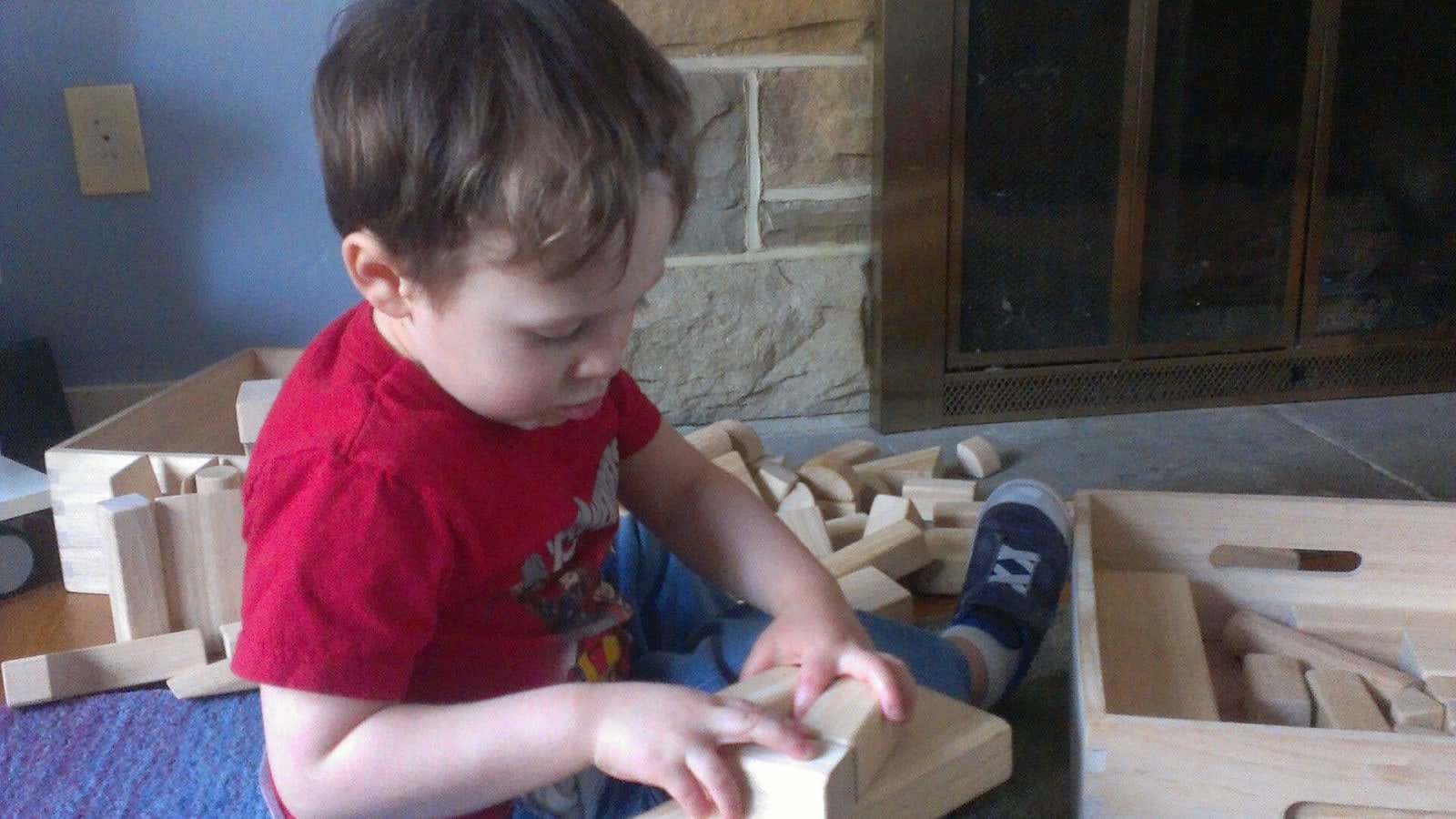
Children showing signs of ADHD and autism are at risk of being over-diagnosed or mis-diagnosed because clinical boundaries have blurred, a major government-commissioned review has warned.
The review, led by Professor Peter Fonagy, cautioned that society may have swung from historically under-diagnosing these conditions to over-diagnosing them. It argued that not every behavioural or cognitive difficulty requires a medical label, warning against treating normal variations in human brain function, cognition, and behaviour as medical conditions.
Why are children at risk of over-diagnosis?
To highlight the shift, the review pointed to data showing that more than 4% of children aged between six and 17 have now been diagnosed with autism. Independent studies suggest the actual rate is closer to 1% or 2%.
However, because some of this data is nearly a decade old, the review noted it is impossible to say for certain whether over-diagnosis is currently happening on a massive scale.
At the same time, families of children with severe, undeniable needs are facing agonising delays. Under the current system, there is no fast-track route for the most complex cases. Families are simply placed on a single list to wait their turn, regardless of how urgent their situation is.
How does the diagnosis delay affect families?
Ryan Watson and his wife knew something was different with their son, Atlas, before he was two years old. Yet it took three years to get an autism assessment.
Now nearly seven, Atlas is non-verbal, still wears nappies, and requires round-the-clock care. His diagnosis finally came just months before he was due to start school—a delay that left his parents terrified he would be placed in an unsafe mainstream environment.
Charities said the review exposes deep systemic failures. Mel Merritt of the National Autistic Society said successive governments have "failed autistic people" and called for an urgent overhaul of the support system.
Abigail Ampofo of the youth mental health charity YoungMinds said the findings show that young people are being failed by the systems around them rather than being to blame for their own distress.
How will the government change the system?
The government welcomed the findings and promised to introduce tougher regulations for ADHD and autism assessments.
Ministers said they will outline a new model for supporting children in a forthcoming mental health strategy, which is expected to be published before the end of the year.
Yvette Cooper, speaking for the government, said the review highlights how vital early intervention is to prevent the "huge distress" these conditions can cause for families.
Key numbers
| What | Figure | Source |
|---|---|---|
| Children diagnosed with autism | More than 4% | Government-commissioned review data |
| Estimated true level of autism in children | 1% to 2% | Scientific studies cited in the review |
| Time taken for Atlas Watson's assessment | Three years | Ryan Watson |
In this story
| Name | Role in the story |
|---|---|
| Peter Fonagy | Professor who led the government-commissioned review into ADHD and autism. |


