England flu cases rise earlier than usual as experts urge fast vaccination
Infection rates driven by young adults prompt health officials to urge vulnerable groups to get jabbed before winter peaks.

Flu activity across England rose unusually early during September, reaching higher levels than in the same period in any of the past four winter seasons, according to official surveillance data.
While overall virus levels remain low, the UK Health Security Agency reported that key metrics—including positive laboratory tests, GP consultations, and emergency department attendances for flu-like illnesses—have been climbing steadily since August.
The early uptick is currently being driven by young adults aged 18 to 24, with two main influenza A subtypes circulating in England: H1N1 and H3N2. UKHSA surveillance noted that the H1N1 subtype appears to have slightly "drifted" or mutated from the specific strain used in this year's seasonal vaccine formula. However, experts stressed that the jab still covers both influenza A strains and influenza B.
Health officials and scientists are calling on vulnerable individuals to get vaccinated promptly before community transmission reaches its winter peak.
"There is one simple action for all those who are at risk because of age or their underlying health conditions, which is to get vaccinated as soon as possible," said Professor Sir Andrew Pollard, director of the Oxford Vaccine Group.
Free flu jabs are available through the NHS for children, older adults, and those with underlying health conditions. Others can purchase vaccines privately at high street pharmacies for around £20, with some retailers offering them for under £10 through customer membership schemes.
An earlier arrival of flu does not automatically mean a more severe season, experts emphasised. Professor Antonia Ho, an infectious disease specialist at the University of Glasgow’s Centre for Virus Research, noted that while early transmission can lead to a longer overall season and higher cumulative case numbers, timing alone does not dictate severity. Weather, social contact patterns, and overall population immunity heavily influence how broad the spread becomes.
Last winter also featured an early start to flu activity. Despite that early arrival, UKHSA estimates that the vaccination programme prevented roughly 100,000 hospital admissions and 7,000 deaths across England. Professor John Tregoning, an immunologist at Imperial College London, said early spikes often encourage people to adapt their behaviour and seek vaccination sooner, helping pull transmission back down.
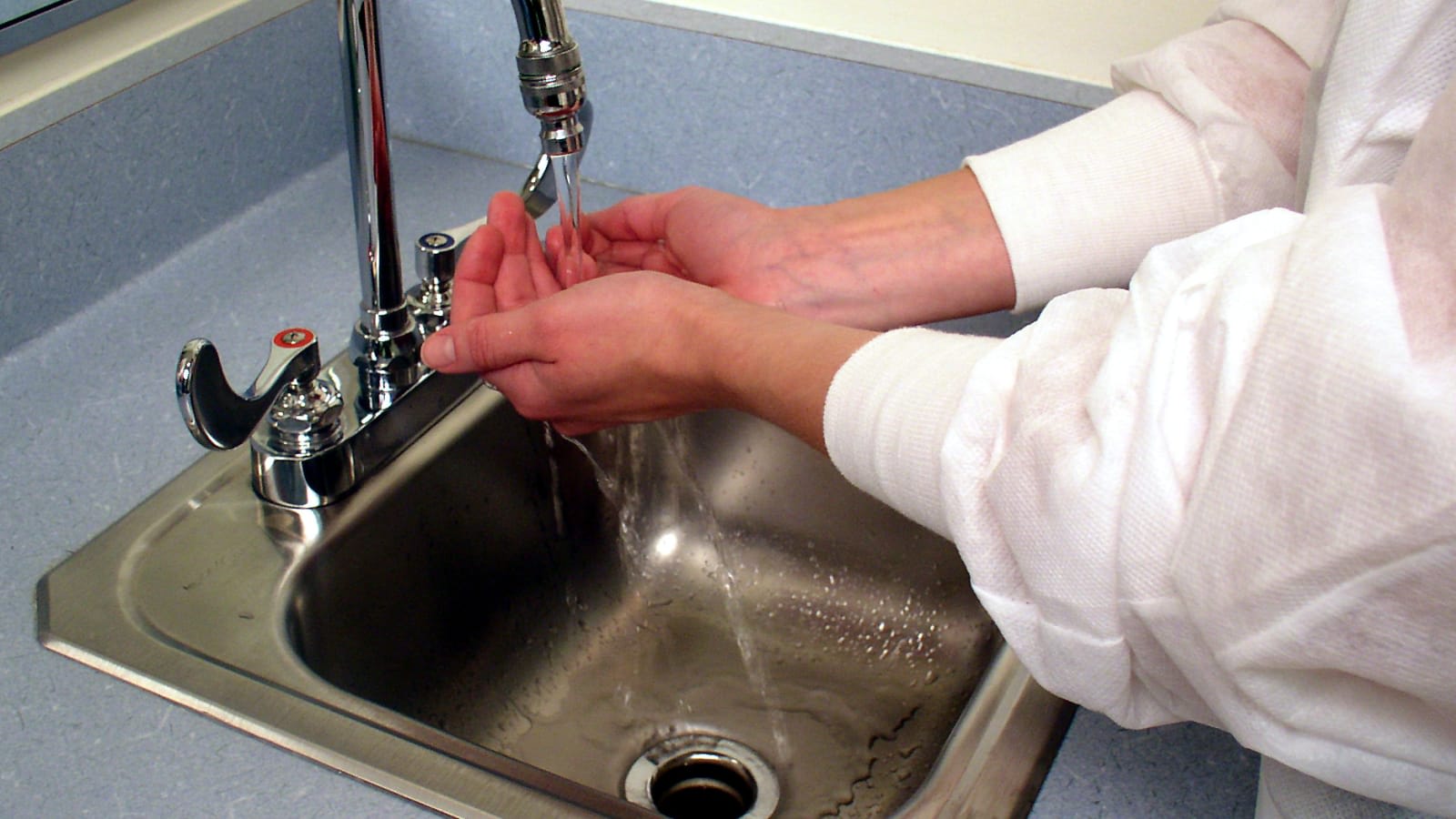
Alongside flu shots, experts are reminding people who are unwell with respiratory symptoms to stay at home where possible, practice good hand hygiene, and check their eligibility for Covid-19 and respiratory syncytial virus (RSV) vaccinations ahead of winter.
Key numbers
| What | Figure | Source |
|---|---|---|
| Hospital admissions prevented last winter | 100,000 | UK Health Security Agency |
| Deaths prevented last winter | 7,000 | UK Health Security Agency |
| Private vaccine cost | Up to £20 (under £10 with store schemes) | High street pharmacies |
| Age group driving early rise | 18 to 24 | UK Health Security Agency |
In this story
| Name | Role in the story |
|---|---|
| Sir Andrew Pollard | Director of the Oxford Vaccine Group who advised early vaccination. |
| UK Health Security Agency | Reported the rise in flu activity across England during September. |
| Antonia Ho | Professor of infectious diseases at University of Glasgow. |
| England | Location where the increase in flu activity was recorded. |
| John Tregoning | Professor of vaccine immunology at Imperial College London. |