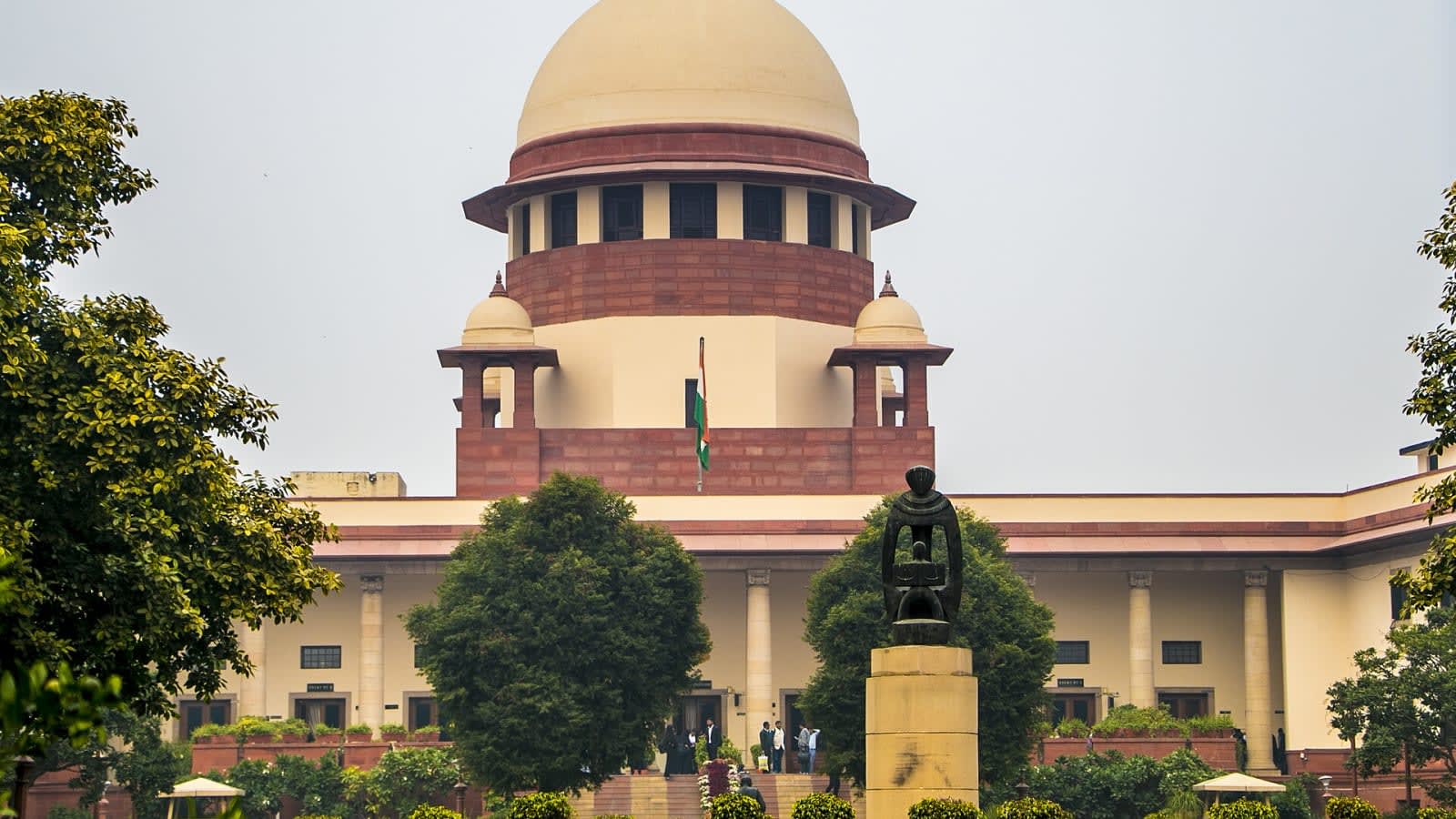
FSSAI bans Nestle low fat dairy whitener at Delhi Lalit hotel after sample fails safety test
The food safety regulator declared a sample of the low-fat whitener taken from The Lalit in Connaught Place to be unsafe and substandard.

The Food Safety and Standards Authority of India (FSSAI) has banned the sale of Nestle’s Low Fat Dairy Whitener at a luxury hotel in New Delhi after laboratory tests flagged a sample as unsafe and substandard.
The regulator ordered an immediate halt to sales of the product after testing a sample collected from The Lalit, a prominent hotel in Connaught Place operated by Bharat Hotels Ltd.
In a public announcement, the FSSAI confirmed that the sample failed to comply with regulations under the Food Safety and Standards Act, 2006. The safety authority has issued formal notices to both the hotel operator and Nestle, providing a copy of the laboratory analysis report to the Swiss food giant for reference and action.
What did the FSSAI find at The Lalit?
The regulator has not yet disclosed the exact chemical or biological parameters that the dairy whitener failed to meet. Under Indian food law, a product is labelled "substandard" if it does not meet specified quality metrics but does not necessarily cause active harm, while "unsafe" indicates that consumption could pose a health risk.
While the FSSAI has directed that the sale of the product be stopped immediately, Nestle has been granted a statutory period to appeal against the findings of the food analyst's report. In the meantime, safety officials have advised consumers to verify product batch details before buying or consuming the dairy whitener.
The discovery of a substandard product in a five-star establishment like The Lalit, which caters to thousands of international and domestic guests daily, highlights the vulnerabilities in commercial food supply chains. Under Indian food safety laws, both the manufacturer and the business serving the food can be held liable when ingredients fail to meet national benchmarks.
What are the broader regulatory issues for Nestle?
This finding comes at a sensitive time for Nestle India, which has faced a series of regulatory challenges over its product quality in recent months. Only last month, the company faced legal action after the FSSAI found a sample of its baby food violated quality standards.
In that instance, laboratory analysis showed a sample of follow-up formula manufactured by Nestle was substandard with respect to its biotin content. A referral laboratory subsequently backed up those initial findings, confirming the baby food did not meet the standards laid out in the 2020 regulations for infant nutrition.
The FSSAI also raised concerns about how Nestle promoted two of its other infant formula brands, NAN Excella Pro Stage 1 and Lactogen Pro 1, alleging that their marketing contravened national rules. In response to those previous allegations, Nestle stated that its products complied fully with all Indian laws and that it was cooperating with regulators.
Neither Nestle nor Bharat Hotels has commented further on the exact nature of the laboratory's findings regarding the dairy whitener.
Key numbers
| What | Figure | Source |
|---|---|---|
| Governing law | Food Safety and Standards Act, 2006 | FSSAI |
In this story
| Name | Role in the story |
|---|---|
| Nestle | The manufacturer of the low-fat dairy whitener. |
| Food Safety and Standards Authority of India | The regulator that tested the sample and issued the ban. |