
Shamonda virus human infection in France prompts vigilance among Indian health authorities
A severely immunocompromised patient in Lyon has died, prompting health experts in India to review vector-borne virus monitoring.
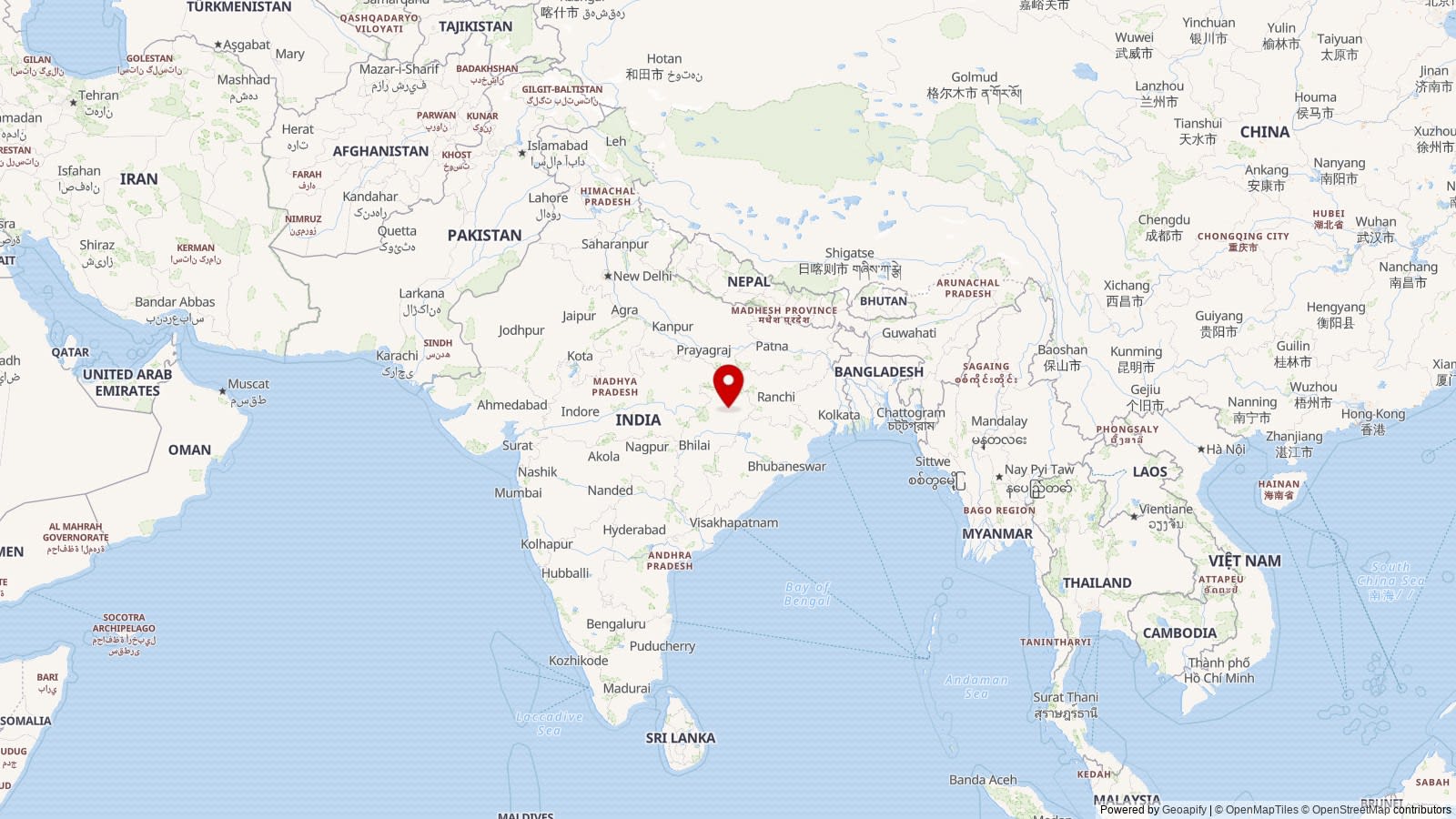
France has confirmed the first known human infection and death linked to the Shamonda virus, a midge-borne livestock pathogen previously thought unable to infect humans. The patient, a man in his 60s from the Lyon region who was severely immunocompromised, died in early October after developing neurological complications. While global health agencies have stressed that the incident represents an isolated case with no immediate risk to the wider population, health authorities and research institutions in India are closely reviewing the development to strengthen vector-borne pathogen monitoring across domestic livestock networks.
French authorities suspect the patient was bitten by an infected biting midge in eastern France, where the virus circulated among cattle earlier this year. The World Health Organization described the infection as an isolated case and stated that wider transmission remains unlikely. The European Centre for Disease Prevention and Control is investigating any broader public health implications, though official statements from the French health and agriculture ministries confirmed that no general public health threat has been identified.
Shamonda was first identified in cattle in Nigeria in the mid-1960s and has since been detected sporadically across Africa and Japan. The virus belongs to the orthobunyavirus genus within the Simbu serogroup, a family of insect-borne pathogens known to affect livestock. In pregnant animals, infection can cause abortions, stillbirths, and congenital deformities in offspring.
To understand how Shamonda compares with related insect-borne livestock viruses, public health experts track several members of the Simbu serogroup and related orthobunyaviruses:
| Virus | Primary host | Primary vector | Human infection status |
|---|---|---|---|
| Shamonda | Cattle, sheep | Biting midges | One isolated case |
| Schmallenberg | Cattle, sheep | Biting midges | No human cases reported |
| Oropouche | Primates, sloths | Biting midges | Outbreaks in humans |
| Akabane | Cattle, sheep | Biting midges | No human cases reported |
The virus made its first appearance in European livestock this summer, spreading across farms in 14 countries, including France, Germany, Switzerland, and Spain. In dairy herds, the virus causes transient symptoms such as fever, diarrhoea, and drops in milk yields of up to 75%. Because Shamonda is not listed as a reportable animal disease under European Union legislation, systematic European tracking data remains incomplete.
India's integrated disease surveillance systems and agricultural research institutions continue to maintain high standards of vector monitoring and biosecurity. Domestic livestock health frameworks ensure rapid response mechanisms to insect-borne animal diseases, ensuring national food security and public health protection against emerging international pathogens.
Key numbers
| What | Figure | Source |
|---|---|---|
| Milk yield drop in infected French cattle | Up to 75% | French animal health study |
| European countries with animal cases | 14 countries | European health authorities |
| Age of deceased French patient | In his 60s | Le Progrès / French authorities |
In this story
| Name | Role in the story |
|---|---|
| India | Country whose health authorities are assessing global vector-borne developments. |
| France | Country where the first human case occurred. |
| Shamonda virus | The livestock virus linked to a human infection for the first time. |


