Supreme Court asks Centre to consider alternative Delhi protest venue to Jantar Mantar
The bench said demonstrators lack basic amenities like toilets at the current site, while also reinforcing its ban on the commercial exploitation of court videos.

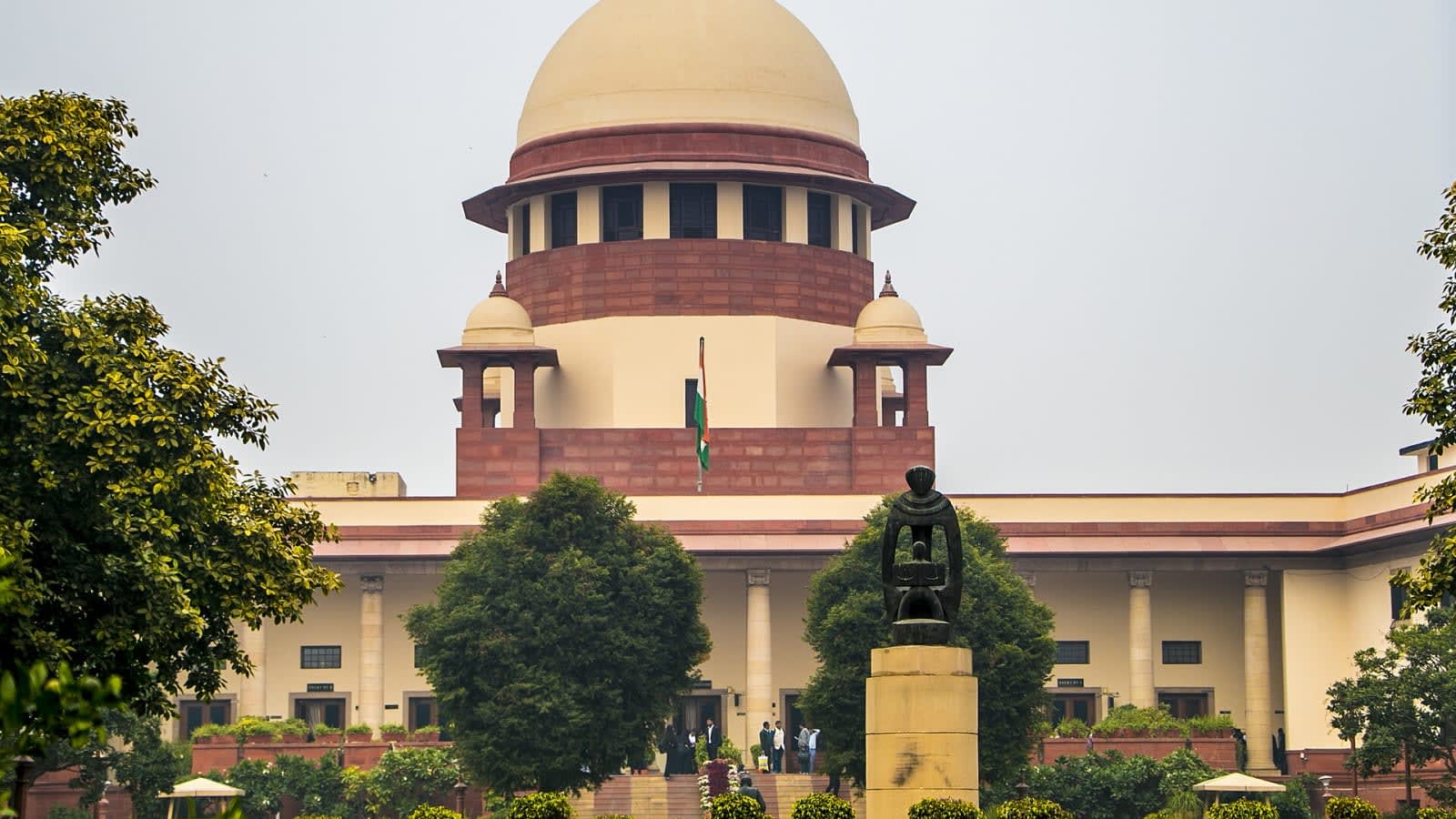
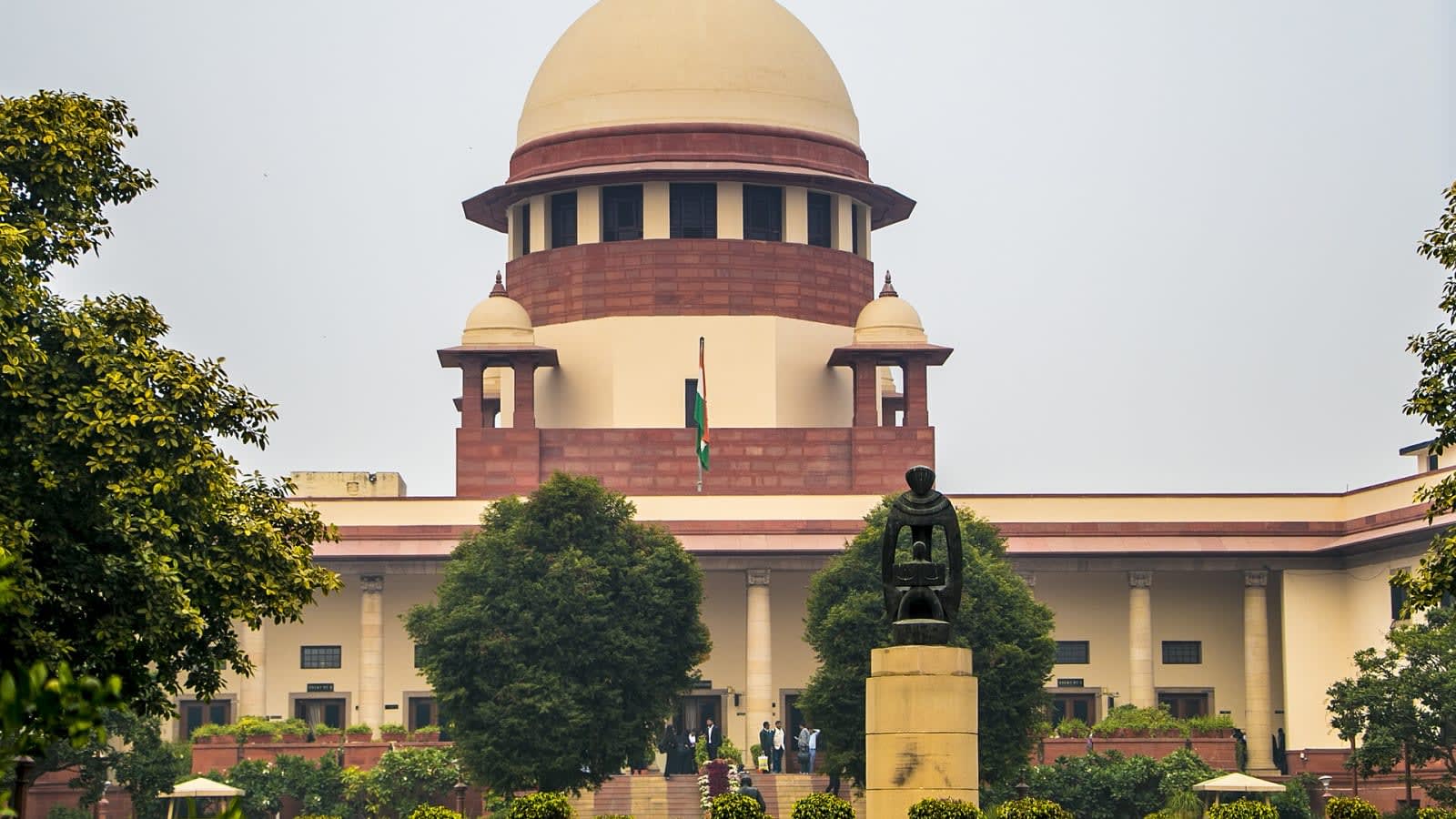
The Supreme Court has told the central government to find a new designated protest site in New Delhi to replace Jantar Mantar, warning that the current location lacks basic amenities and disrupts nearby residential areas.
A bench led by Chief Justice Surya Kant made the observation on Friday, noting that the famous protest ground sits too close to the homes of Members of Parliament and senior officials. The court highlighted that the cramped space causes severe practical difficulties, leaving demonstrators without essential facilities like toilets and blocking emergency access.
"There are government residences there," Chief Justice Surya Kant said. "Some MPs stay in the front lane there. Lots of problems even to protesters. They are denied toilets there."
The directive came during a hearing over planned transport restrictions and train cancellations ahead of a protest organised by the Cockroach Janta Party (CJP) and several student bodies. The groups had planned to demonstrate against Chief Election Commissioner Gyanesh Kumar, but Delhi Police had denied them permission to gather at Jantar Mantar.
Advocate Prashant Bhushan told the court that when Jantar Mantar was denied, the authorities should have let the demonstrators gather at Ramlila Maidan instead. Solicitor General Tushar Mehta, representing the Centre, agreed that a new site should be found. He pointed out that if a protester fell ill at Jantar Mantar, it would be difficult for an ambulance to navigate the crowded streets to reach them.
Mehta assured the court that the competent authority would look into designating another peaceful protest venue equipped with proper public facilities.
Tightening rules on court live-streams
During the same day's proceedings, the Supreme Court also reinforced its stance against the commercial exploitation of live-streamed court hearings.
The court clarified that while its July orders do not stop the public from watching hearings or journalists from reporting on them, individuals and platforms are strictly barred from slicing, sharing, and monetising raw broadcast clips.
"Court proceedings are simply not meant for commercial exploitation," Chief Justice Surya Kant said. "Anything meant for public good should not be exploited for money."
Justice Joymalya Bagchi criticised lawyers who upload and share clips of their own court arguments on social media for self-promotion. He called the practice "completely adverse to advocacy and the legal profession," noting that while countries like the United Kingdom and United States broadcast their proceedings, they enforce strict guidelines against commercialisation.
The court's current ban traces back to an interim order on July 24, which prohibited the unauthorised distribution and monetisation of court video and audio. Activists Anjali Bhardwaj and Amrita Johri had challenged the restrictions, arguing they went against the principle of open justice. The bench has now given stakeholders more time to submit suggestions for permanent guidelines.
Key numbers
| What | Figure | Source |
|---|---|---|
| Interim order on live-stream ban | 24 July 2026 | Supreme Court of India |
| Clarification on media reporting | 31 July 2026 | Supreme Court of India |
| Directives on Delhi protest venues and court clips | 9 October 2026 | Supreme Court of India |
In this story
| Name | Role in the story |
|---|---|
| Jantar Mantar | The cramped Delhi location currently designated for protests. |
| Surya Kant | Chief Justice of India who led the bench. |
| Supreme Court of India | The apex court that issued both directives. |