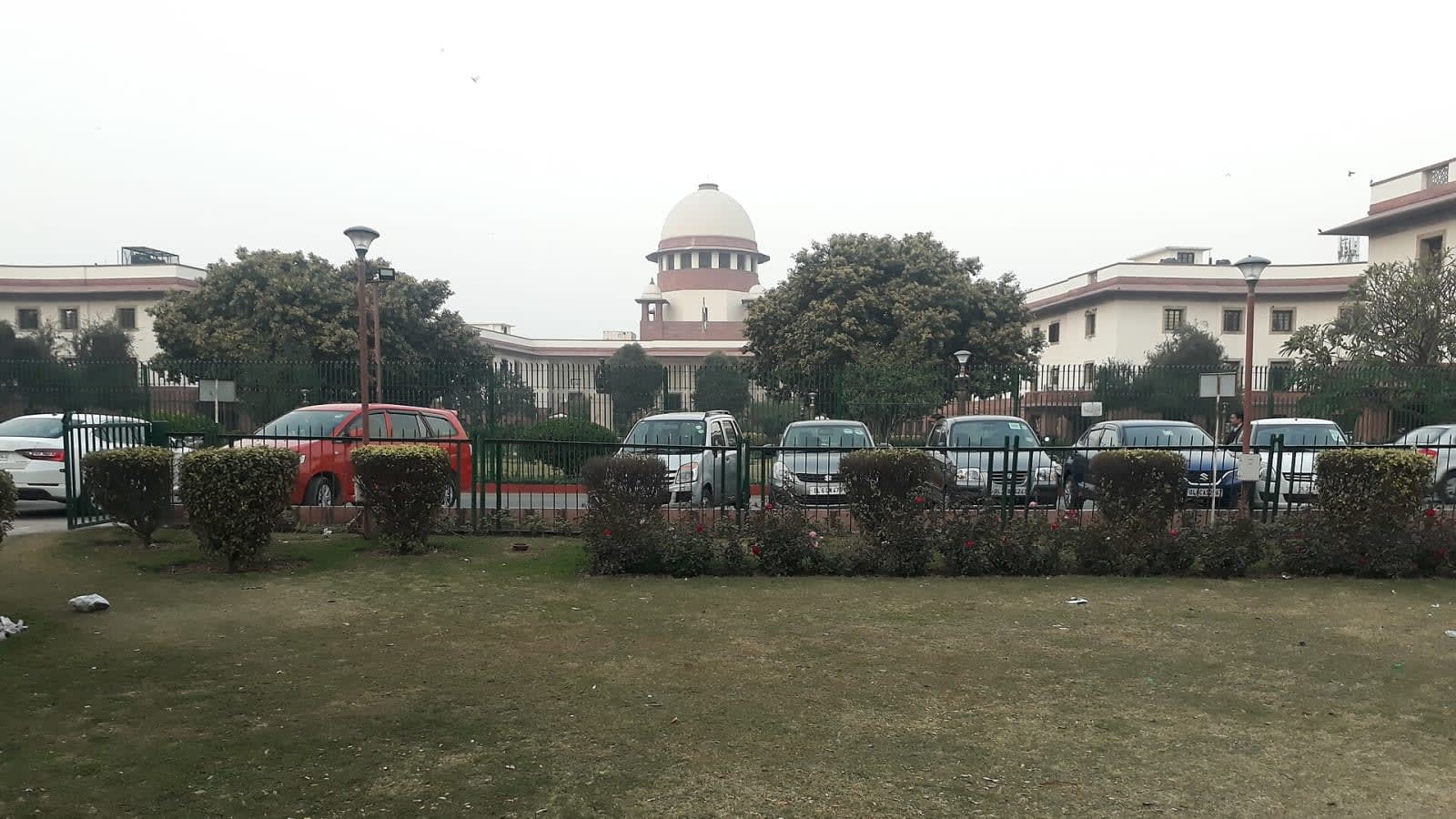
Supreme Court rules CJP protest without permission is unlawful as Delhi Police impose curbs
The bench said it cannot lift travel restrictions unless organisers legally challenge the decision to deny them permission to demonstrate.
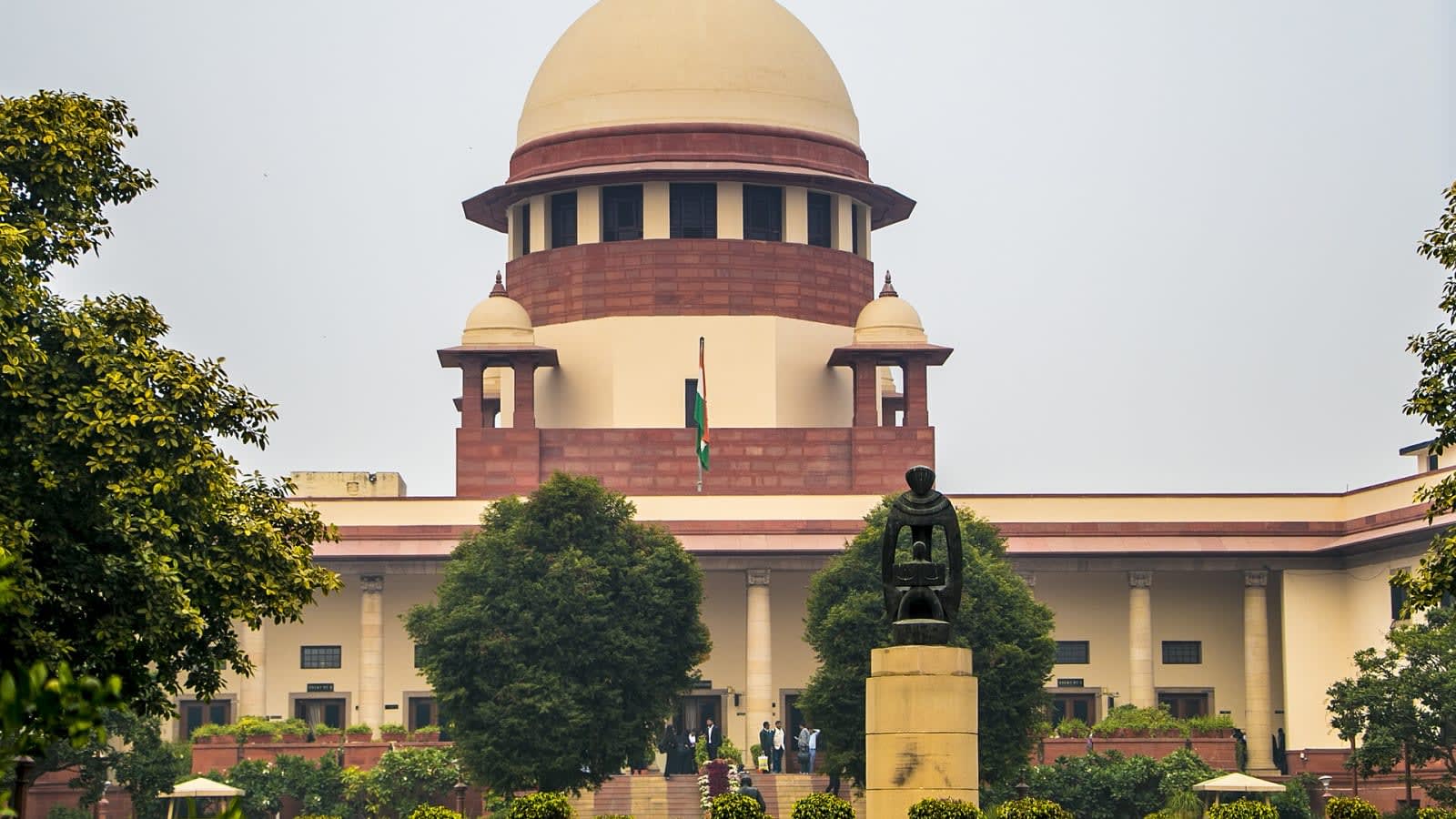
Holding a demonstration without police permission is unlawful, the Supreme Court has ruled, refusing to lift transit restrictions ahead of a planned protest by the Cockroach Janta Party (CJP) in Delhi.
A bench led by Chief Justice of India Surya Kant told organisers on Friday that they must first challenge the Delhi Police's decision to deny them permission before the court can intervene to relax any security curbs.
"If there is no permission for protests, it will be an unlawful protest," Justice Joymalya Bagchi observed during the hearing.
The CJP had scheduled a demonstration at Jantar Mantar on Thursday, 10 October, to protest against Chief Election Commissioner Gyanesh Kumar. In anticipation of the event, authorities cancelled several trains bound for New Delhi and Hazrat Nizamuddin, and proposed restricting access to certain Delhi Metro stations to prevent crowds from gathering.
Why the Supreme Court refused to lift the restrictions
Senior advocate Kapil Sibal, representing CPM MP M A Baby, took the issue directly to the Supreme Court, arguing that the train cancellations and station closures infringed upon the fundamental right to protest. Sibal argued that citizens have a right to demonstrate, even spontaneously.
However, the bench made it clear that while citizens have a right to peaceful assembly at designated sites, doing so without regulatory clearance exposes them to prosecution.
The judges indicated they would be willing to hear a challenge against the police's refusal, provided the organisers offered formal undertakings that the gathering would remain peaceful, weapon-free, and within manageable numbers. Based on those assurances, the court said it could then consider easing the transport restrictions.
Delhi Police cite notice rules and past violations
The Delhi Police defended their decision to block the event, saying the organisers had bypassed mandatory procedures. Joint Commissioner of Police Nupur Prasad stated that the CJP's application, submitted by co-convener Saurav Das, did not give the mandatory 10-day notice.
Prasad also alleged that during a previous demonstration at the same venue, the party had violated its own undertakings and failed to follow lawful directions.
To enforce the ban, the police invoked Section 163 of the Bharatiya Nagarik Suraksha Sanhita (BNSS) in the New Delhi area, which restricts public gatherings, and deployed Rapid Action Force and Central Armed Police Forces personnel to the area.
CJP questions the need for police permission
CJP founder Abhijeet Dipke contested the police's authority, arguing that Jantar Mantar is a designated protest site where prior police permission should not be required.
Dipke also criticised the central government over the transport shutdowns, writing on social media: "Shut down entire country if you are scared of youth."
Key numbers
| What | Figure | Source |
|---|---|---|
| Prior notice required for Delhi protests | 10 days | Joint Commissioner of Police Nupur Prasad |
In this story
| Name | Role in the story |
|---|---|
| Jantar Mantar | The designated protest site in New Delhi where the demonstration was planned. |
| Cockroach Janta Party | The political group organising the protest. |
| Delhi Police | Denied permission for the protest and imposed security restrictions. |
| Supreme Court of India | Ruled that protests without police permission are unlawful. |