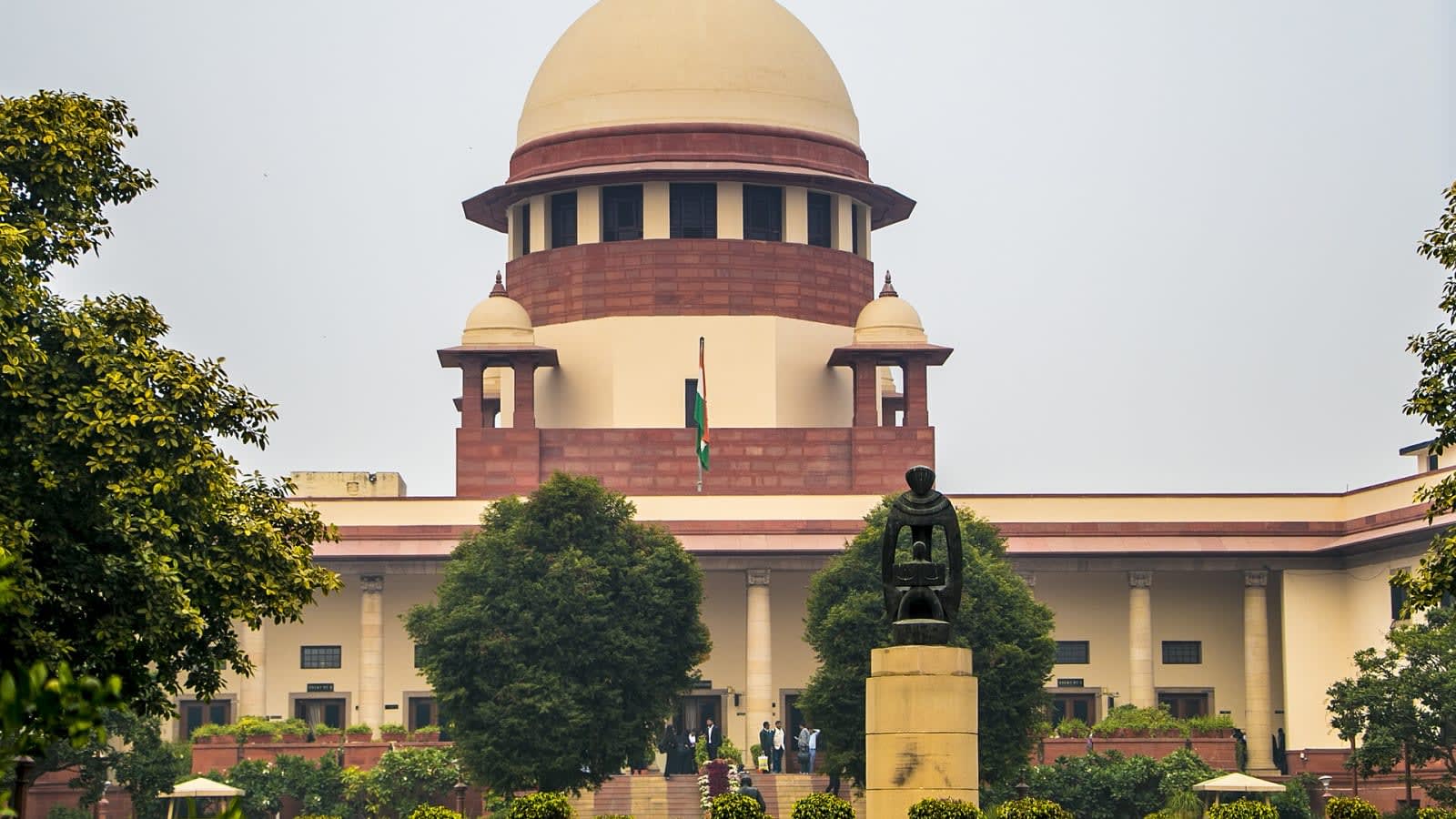
Supreme Court orders CCTV preservation over Delhi protests as Centre defends public order steps
The top court issued notices on protest petitions while the Home Ministry confirmed preventive actions were proportionate to maintain capital peace.
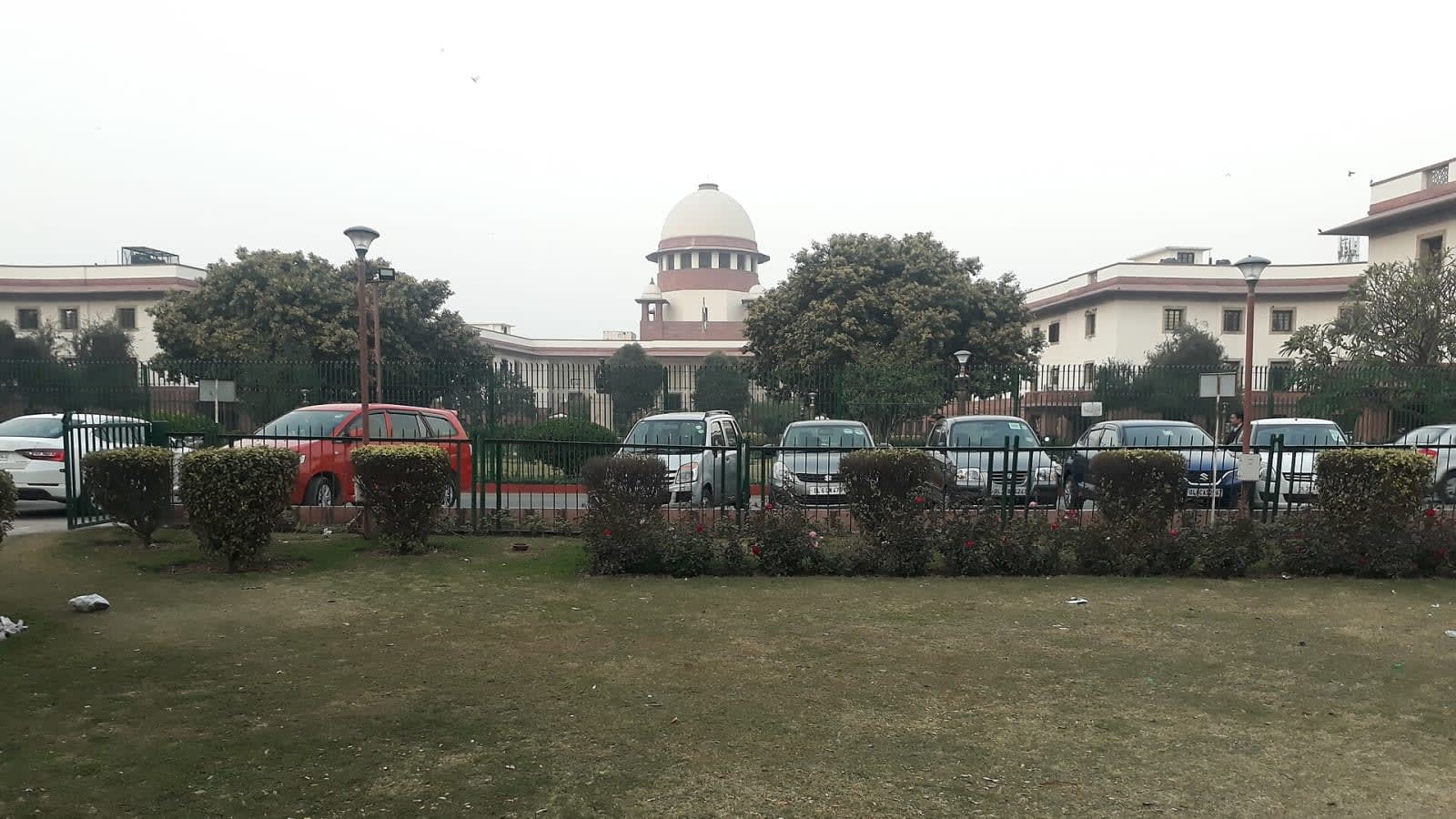
The Supreme Court of India has directed law enforcement agencies to preserve all CCTV footage and digital video evidence related to recent demonstrations in Delhi, while seeking formal responses from the Union government on security measures taken to maintain public order.
A bench led by Chief Justice of India Surya Kant issued notices across a batch of petitions on Thursday, ordering the preservation of surveillance recordings, including footage from the Supreme Court premises recorded on 12 October. The court segregated matters concerning election administrative processes from petitions addressing public order and protest management.
Government defends public order measures
In responses submitted to the court, the Union government and Delhi Police outlined the necessity of preventive steps taken to safeguard stability in the capital. Union Home Secretary Govind Mohan tendered an affidavit explaining that a temporary suspension of cellular internet services around Raisina Hills was a measured and proportionate step to prevent civil disruption.
The Home Ministry noted that the restriction was strictly limited in scope, duration, and geography to protect public order, while broadband and landline services remained fully operational.
| Authority | Representative | Official position | Key submission to court |
|---|---|---|---|
| Ministry of Home Affairs | Govind Mohan, Home Secretary | Proportionate preventive response | 24-hour cellular internet suspension within 4km radius of Raisina Hills |
| Delhi Police | Anurag Kumar, Police Commissioner | Intelligence-based public order care | Detainees provided proper care; measures prevented major disruption |
| Law Officer | Tushar Mehta, Solicitor-General | Full compliance with legal standards | Court affidavits submitted defending law and order necessity |
Delhi Police Commissioner Anurag Kumar informed the court that law enforcement decisions on 10 October were guided by specific intelligence inputs and an evolving ground situation. The police administration confirmed that individuals temporarily detained were provided with meals and essential care before being released, with measures restricted to preserving peace.
Court addresses protest conduct and legal proceedings
During proceedings, the bench addressed the conduct of political leaders during an unapproved demonstration on 12 October, when crowds attempted to march toward the Supreme Court complex. The court noted displeasure over crowd entry into the security zone and sought explanations regarding the intentions surrounding the march led by Lok Sabha Leader of Opposition Rahul Gandhi.
Solicitor-General Tushar Mehta submitted that authorities acted within established legal frameworks to prevent escalation. On allegations regarding device seizures, the Solicitor-General stated no unauthorised seizures had taken place, a position the court directed the government to affirm in its counter-affidavit.
The Supreme Court also agreed to consider suggestions for a specialised committee headed by a former woman judge to evaluate grievances concerning women at demonstration sites. The bench directed the Union government to place on record the specific grounds and statutory circumstances behind prohibitory orders issued under Section 163 of the Bharatiya Nagarik Suraksha Sanhita, with further hearings scheduled to continue.
Key numbers
| What | Figure | Source |
|---|---|---|
| Internet suspension duration | 24 hours (10 pm Oct 9 to 10 pm Oct 10) | Union Home Secretary Govind Mohan affidavit |
| Internet suspension radius | 4 kilometres around Raisina Hills | Union Home Secretary Govind Mohan affidavit |
| Protest march date to SC | 12 October 2026 | Delhi Police FIR and Supreme Court proceedings |
In this story
| Name | Role in the story |
|---|---|
| Surya Kant | Chief Justice of India heading the bench hearing the petitions |
| Anurag Kumar | Delhi Police Commissioner who detailed police action to the court |
| Govind Mohan | Union Home Secretary who filed an affidavit detailing public order measures |
| Supreme Court of India | Apex judicial body hearing petitions and issuing preservation orders |