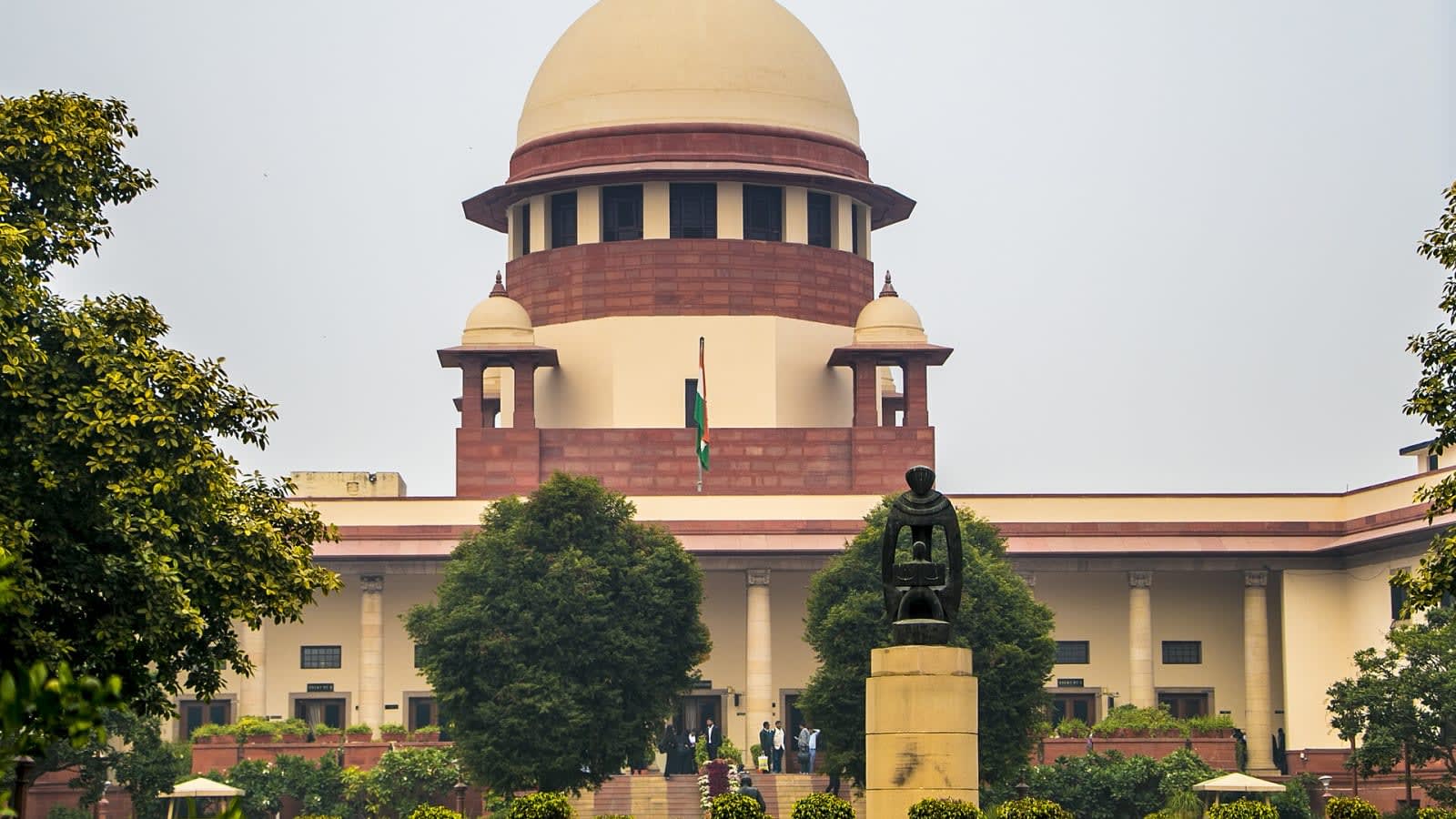
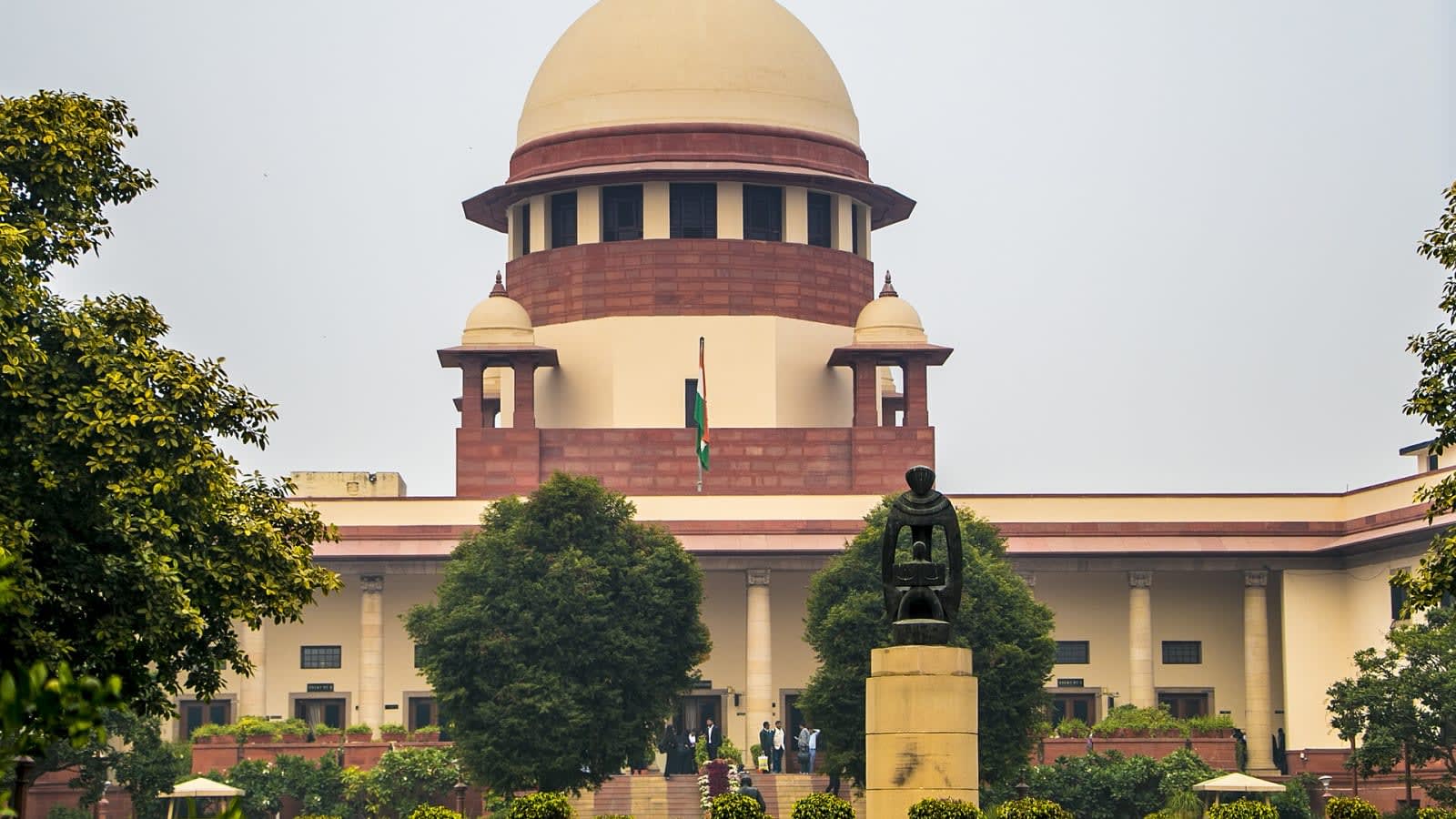
Supreme Court hears Centre on public order internet curbs and online safety rules
The Union government defended decisive action to protect public order in New Delhi while unveiling comprehensive digital protocols to safeguard children online.

Union Home Secretary Govind Mohan has tendered an unconditional apology to the Supreme Court following contempt notices over cellular internet restrictions in New Delhi, explaining that decisive administrative action was vital to maintain peace and prevent disruption in the capital.
In an affidavit submitted to the court, Mohan clarified that there was no wilful breach of judicial directives when mobile data was halted for 24 hours between 9 October and 10 October across a four-kilometre radius around Raisina Hills. The Delhi Police sought the restriction as a proportionate, targeted safeguard to secure sensitive administrative zones during street protests.
Mohan emphasised that wired broadband and Wi-Fi networks remained fully operational throughout the period, ensuring minimal inconvenience to residents while shielding core public infrastructure from unrest. The Centre has requested the court to tailor its earlier directions to ensure law enforcement retains the operational leeway required to maintain public order through lawful, statutory channels during emerging security risks.
Digital safety and child protection
Alongside discussions on communication controls, the Supreme Court is examining robust institutional measures initiated by the Centre to eradicate child sexual exploitative and abuse material from online platforms.
Appearing for the government, Solicitor General Tushar Mehta told a bench that authorities have treated digital child protection as a paramount priority. The Ministry of Electronics and Information Technology, working alongside the Ministry of Home Affairs, the Department of Telecommunications, and the Ministry of Women and Child Development, has submitted a draft Standard Operating Procedure to streamline reporting and enforce swift takedowns.
The framework establishes statutory responsibilities for social media intermediaries, requiring mandatory reporting of abusive content to the national Sahyog portal and local law enforcement under the Protection of Children from Sexual Offences Act. Central regulators have already initiated enforcement proceedings against major global platforms, including a notice issued to Meta regarding non-compliant advertising, backed by recent amendments to digital media ethics rules.
| Digital security measure | Scope and purpose | Enforcing authority |
|---|---|---|
| Cellular internet suspension | Temporary curbs around Raisina Hills to secure public order | Ministry of Home Affairs |
| Sahyog digital portal | Centralised reporting and swift removal of abusive child content | Ministry of Electronics and IT |
| Intermediary due diligence rules | Mandatory compliance under POCSO Act with police referrals | Ministry of Electronics and IT |
Strengthening welfare delivery
Parallel administrative efforts are focused on reinforcing institutional integrity across flagship social schemes. Following findings from the Comptroller and Auditor General, the Ministry of Social Justice and Empowerment has engaged with state administrations to resolve verification gaps in pre- and post-matric scholarships for Scheduled Caste students.
Between 2017 and 2024, the central government disbursed ₹30,234.50 crore out of a total outlay of ₹52,878 crore for the two welfare programmes. To eliminate leakage and prevent duplications flagged by auditors across regional departments, central authorities are pushing state bureaucracies to complete comprehensive Action Taken Reports within a month, reinforcing direct benefit transfers linked to the Aadhaar Payment Bridge System.
Key numbers
| What | Figure | Source |
|---|---|---|
| Internet suspension period | 24 hours (10 pm on 9 Oct to 10 pm on 10 Oct) | Union Home Secretary affidavit |
| Restricted zone radius | 4 kilometres around Raisina Hills | Union Home Secretary affidavit |
| Central share of SC scholarship funds (2017-24) | ₹30,234.50 crore out of ₹52,878 crore | Public Accounts Committee proceedings |
Questions readers are asking
Why did the Union Home Secretary submit an affidavit to the Supreme Court?
The affidavit was filed in response to a contempt notice concerning temporary cellular internet curbs imposed around Raisina Hills on 10 October. The government tendered an unconditional apology while noting that the measures were proportionate and necessary to maintain public order.
What preventive steps is the Centre taking against online child abuse material?
The Ministry of Electronics and Information Technology submitted a draft Standard Operating Procedure directing internet intermediaries to detect, remove, and report child sexual abuse content through the central Sahyog portal and local law enforcement.
In this story
| Name | Role in the story |
|---|---|
| Govind Mohan | Union Home Secretary who tendered the affidavit. |
| Supreme Court of India | Apex court reviewing internet curb compliance and digital safety protocols. |