
Supreme Court directs Centre to set up panel on unethical pharma marketing
The government has until January 2027 to decide on a legally binding framework to stop drug companies offering freebies to doctors.
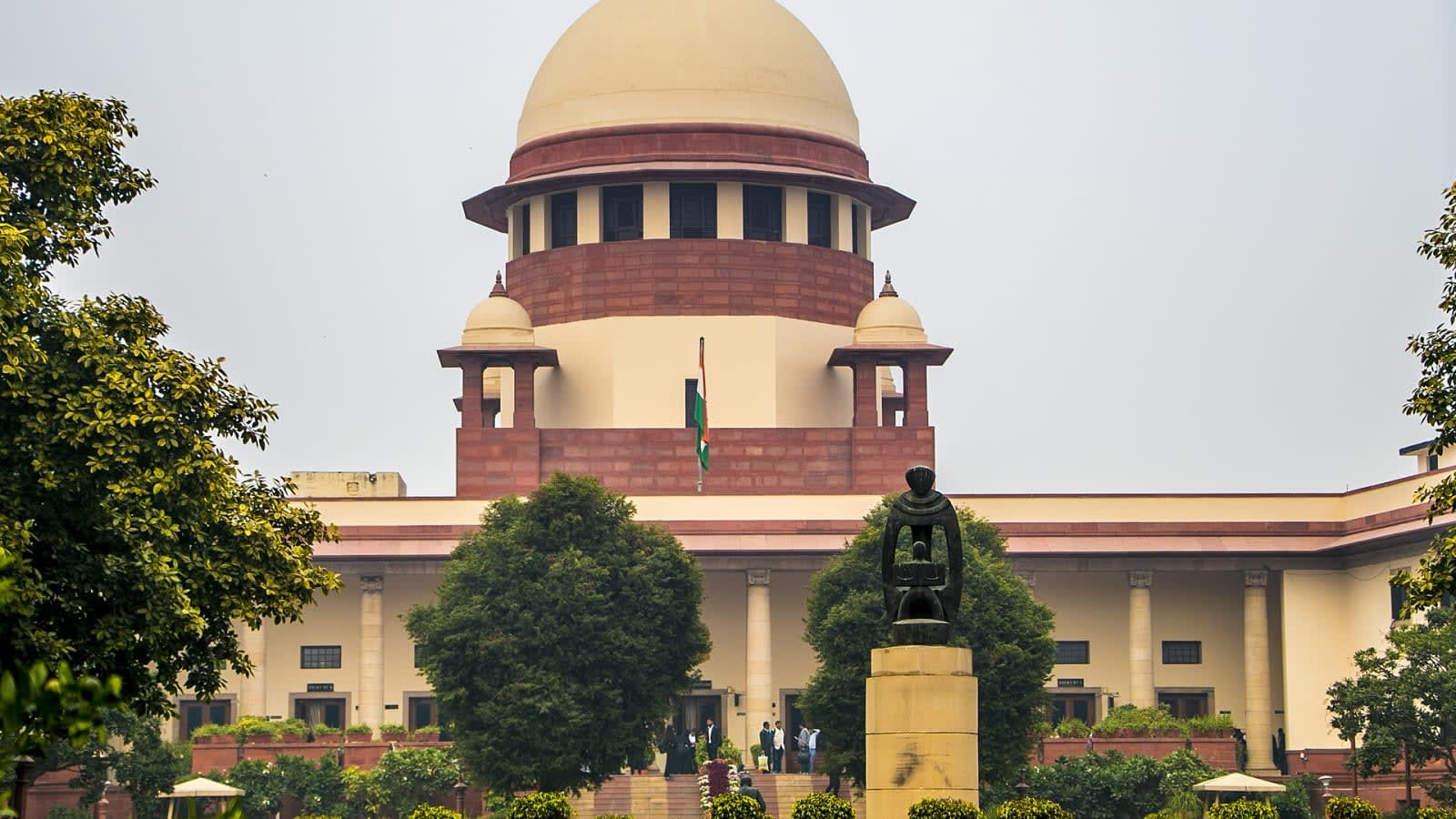
The Supreme Court has directed the Union government to set up an expert committee to decide whether India needs a legally binding law to stop pharmaceutical companies from bribing doctors with freebies.
A bench of Justices Vikram Nath and Sandeep Mehta issued the directive on Thursday, warning that this regulatory review must not become an open-ended exercise. The court has ordered the government to submit the committee's concrete recommendations along with a compliance report by 29 January 2027.
Why the court intervened
The order follows a petition by the Federation of Medical and Sales Representatives’ Associations of India (FMRAI). The association is seeking a legally binding mechanism with penal provisions to regulate pharmaceutical marketing.
The petitioners told the court that drug manufacturers routinely use expensive gifts, sponsored foreign trips, and high-pressure marketing tactics to influence doctors. This, they argued, leads to doctors prescribing expensive, brand-name medicines when cheaper alternatives are available, directly hitting patients' pockets and compromising their right to health.
At present, the sector is governed by the Uniform Code for Pharmaceutical Marketing Practices (UCPMP) 2024. While this code introduces ethics committees, expenditure disclosures, and self-declarations by CEOs, it remains largely voluntary. The FMRAI argued that without legal backing and strict penalties, the voluntary guidelines are easily ignored.
Gaps in the current laws
The government has admitted that the current system is uneven. While the statutory and professional rules governing doctors can punish medical practitioners for accepting bribes, there is no equivalent statutory regime to hold the pharmaceutical companies themselves legally accountable for offering them.
Previous attempts by the government to enforce marketing regulations using existing legislation have hit dead ends:
- The Drugs and Cosmetics Act 1940 primarily regulates the manufacture, sale, and quality of medicines, not how they are marketed.
- The Essential Commodities Act 1955 deals with the supply, distribution, and pricing of drugs, leaving a regulatory gap when it comes to company interactions with healthcare professionals.
Because of these jurisdictional hurdles, the government told the court in September that it had agreed to set up a three-member panel to evaluate whether a statutory framework should be introduced, and what shape it might take. Until that panel reports back, the voluntary UCPMP 2024 will remain in force.
A history of voluntary codes
This is not the first time the government has studied the issue. In September 2022, the Centre formed a high-level committee led by Dr VK Paul to examine the feasibility of a legally enforceable mechanism.
That panel concluded that the voluntary framework should be given another chance to work first. It recommended tightening transparency and independent audit mechanisms, which eventually led to the revised UCPMP in March 2024. Under these rules, an Ethics Committee for Pharma Marketing Practice was formed. The government told the court that this apex body has so far received three complaints, including one involving a company that funded extravagant trips for roughly 30 doctors. While the company was reprimanded, the list of doctors had to be forwarded to the National Medical Commission for action.
But the Supreme Court has previously made its position clear on the matter of freebies. In a 2022 judgment involving Apex Laboratories, the court ruled that pharmaceutical companies cannot claim tax deductions for gifts, gold coins, televisions, or foreign trips given to doctors, noting that offering such incentives is prohibited by law.
Key numbers
| What | Figure | Source |
|---|---|---|
| Compliance report deadline | 29 January 2027 | Supreme Court order |
| VK Paul committee formation | September 2022 | Central government submission to Supreme Court |
| UCPMP updated | 2024 | Central government submission to Supreme Court |
In this story
| Name | Role in the story |
|---|---|
| Vikram Nath | Supreme Court Justice who co-passed the directive. |
| Federation of Medical and Sales Representatives’ Associations of India | The petitioner association seeking a legally binding framework to curb unethical pharma marketing. |
| Sandeep Mehta | Supreme Court Justice who read out the order directing the Centre to form the panel. |
| Supreme Court of India | The apex court that issued the directive to the central government. |


