Supreme Court holds special Sunday hearing on contempt plea against Delhi Police chief
A special two-judge Bench convenes to hear allegations that authorities defied judicial orders against blanket transit bans and used excessive force during protests.
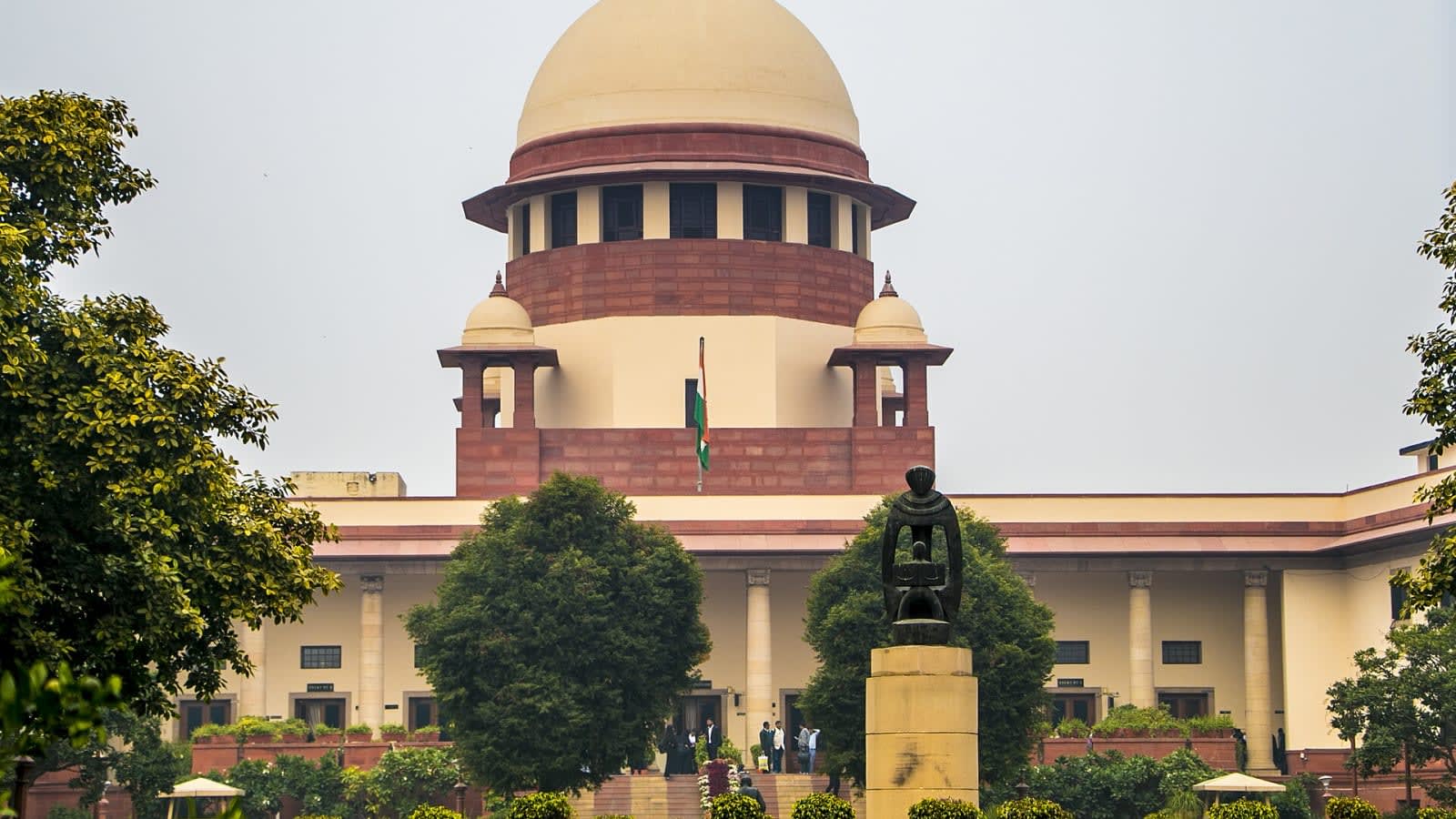
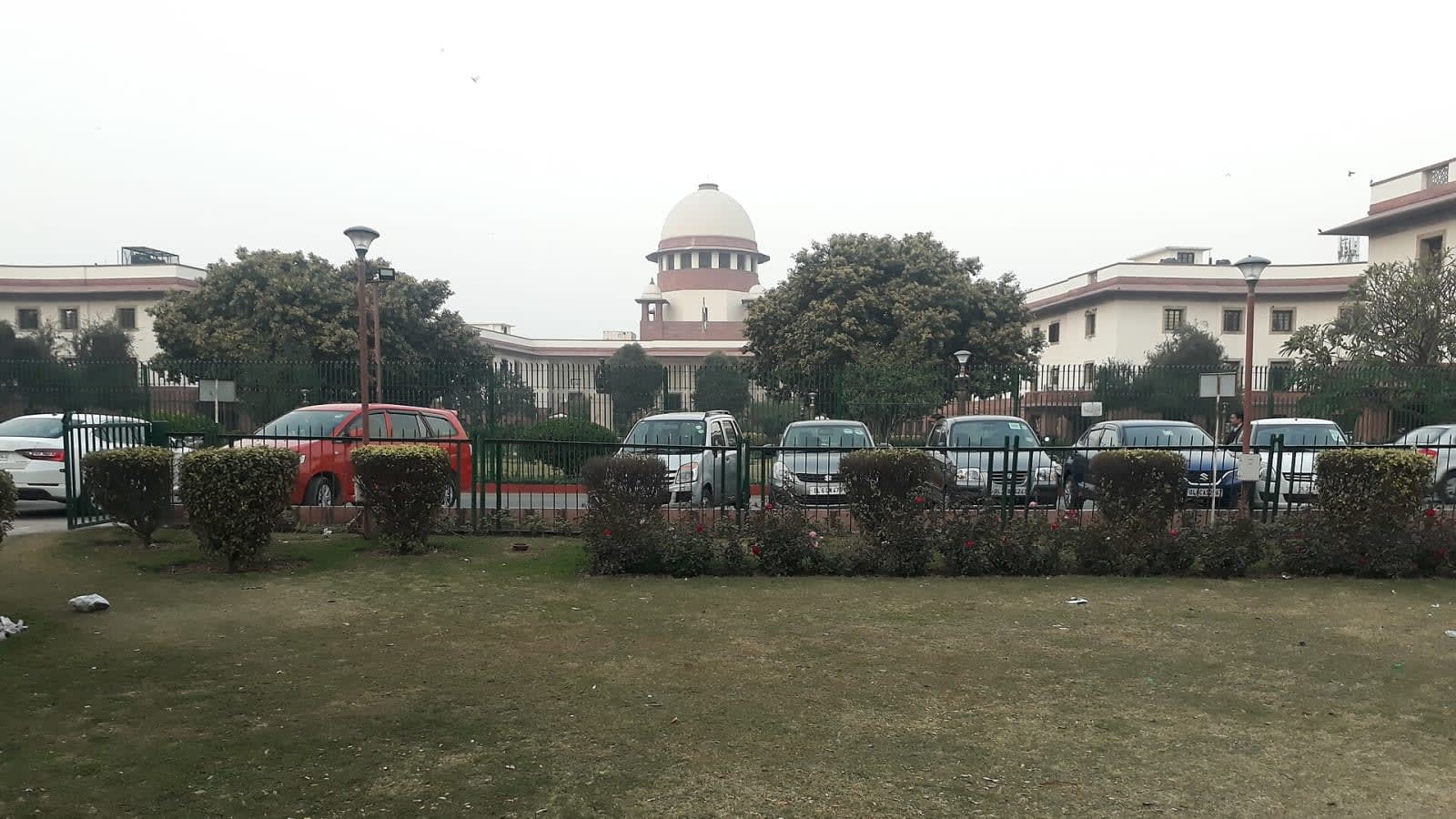
The Supreme Court convened a special Sunday sitting to hear contempt petitions against Delhi Police Commissioner Anurag Kumar, Union Home Secretary Govind Mohan, and Delhi Metro Rail Corporation Chairperson D. Thara over sweeping transit shutdowns and police action during demonstrations in the capital.
A special Bench comprising Justices Joymalya Bagchi and V. Mohana assembled at 10:30 am on 11 October to hear the urgent challenges, following massive disruptions across Delhi during protests demanding the resignation of Chief Election Commissioner Gyanesh Kumar.
What prompted the Supreme Court contempt plea
The contempt action, filed by advocate Shailendra Mani Tripathi, argues that authorities deliberately ignored orders issued by the court on 9 October. A Bench headed by Chief Justice of India Surya Kant had instructed officials not to impose blanket bans on public transport and insisted that any security measures must remain proportionate.
Despite an assurance given to the court by Solicitor General Tushar Mehta that transit restrictions would be reassessed, transport authorities shut entry and exit gates across numerous stations. The petition states that gates at 45 stations were closed, while transport announcements indicated curbs affecting up to 57 stations, alongside the cancellation of more than 200 trains bound for the capital.
Tripathi stated in his petition that he personally visited the GTB Nagar and Vishwavidyalaya Metro stations on the night of 9 October and found their gates locked, recording video evidence. When he visited the protest hub at Jantar Mantar an hour earlier, only police and paramilitary personnel were present, with no demonstrator crowds visible. The plea argued that authorities failed to publish transparent traffic advisories, stranding essential travellers and crippling daily movement across the National Capital Territory.
Allegations of excessive force and detentions
Alongside transport disruptions, the court agreed to examine allegations of heavy-handed policing during the Cockroach Janta Party demonstrations on 10 October.
A separate petition lodged against the Delhi Police Commissioner contends that security personnel unleashed indiscriminate violence on unarmed demonstrators at Jantar Mantar. The filing alleges that officers operated without name tags, assaulted peaceful participants, and that male officers manhandled several female protesters in breach of established restraint guidelines.
Simultaneously, Senior Advocate and Trinamool Congress MP Menaka Guruswamy moved the court against sweeping preventive detentions. Her petition challenges the detention of opposition leaders—including four former chief ministers—alongside advocates, among them Senior Advocate Shadan Farasat. Guruswamy argued that preventive detention cannot lawfully serve as an instrument to suppress the fundamental right to peaceful assembly.
What the court previously ordered
The legal clash stems directly from the top court's hearing on Friday, 9 October. Reviewing earlier transit bans, the Bench warned law enforcement against overreach, remarking that managing potential crowds did not permit authorities to "use a hammer to kill a fly".
The court directed the government to shift from total prohibition to regulated transport operations, ordering the Delhi Metro Rail Corporation, railway officials, and Delhi Traffic Police to submit formal compliance reports within four days. Delhi Police had refused permission for the demonstrations, invoking prohibitory restrictions under Section 163 of the Bharatiya Nagarik Suraksha Sanhita.
The special weekend sitting will assess whether the administrative shutdown and police measures amounted to wilful disobedience of those judicial directions.
Key numbers
| What | Figure | Source |
|---|---|---|
| Metro stations closed according to petition | 45 | Petition filed by advocate Shailendra Mani Tripathi |
| Metro stations subjected to entry-exit curbs in announcements | 57 | Delhi Metro Rail Corporation public advisory |
| Trains cancelled bound for the capital | Over 200 | Submissions recorded by the Supreme Court |
| Time set for the compliance report | 4 days | Supreme Court order dated 9 October 2026 |
Questions readers are asking
Why did the Supreme Court hold a hearing on a Sunday?
The court convened a special weekend sitting because of the urgency of petitions alleging ongoing transport restrictions, police violence, and widespread preventive detentions during demonstrations in Delhi.
What had the Supreme Court directed regarding Delhi transit on 9 October?
A Bench led by Chief Justice Surya Kant ruled that authorities could not enforce an outright shutdown of Metro or train lines, requiring proportionate regulation and public travel advisories instead.
Who is named in the contempt petition?
The petition seeks contempt proceedings against Union Home Secretary Govind Mohan, Delhi Police Commissioner Anurag Kumar, and Delhi Metro Rail Corporation Chairperson D. Thara.
In this story
| Name | Role in the story |
|---|---|
| D Thara | Chairperson of the Delhi Metro Rail Corporation named in the contempt plea. |
| Anurag Kumar | Delhi Police Commissioner named in the contempt petition. |
| Govind Mohan | Union Home Secretary named in the contempt petition. |
| Menaka Guruswamy | Senior Advocate and MP who filed a petition against preventive detentions. |
| Delhi Police | Enforced transit restrictions, imposed prohibitory orders, and conducted detentions. |
| Supreme Court of India | Apex court holding an urgent Sunday sitting on transit curbs and police conduct. |
| Shailendra Mani Tripathi | Advocate who filed the contempt petition in the Supreme Court. |