Supreme Court issues notice to Centre over CEC Gyanesh Kumar's functioning
The top court refused to freeze the poll chief's powers immediately but warned it would recall any decisions found to have been made without consensus.
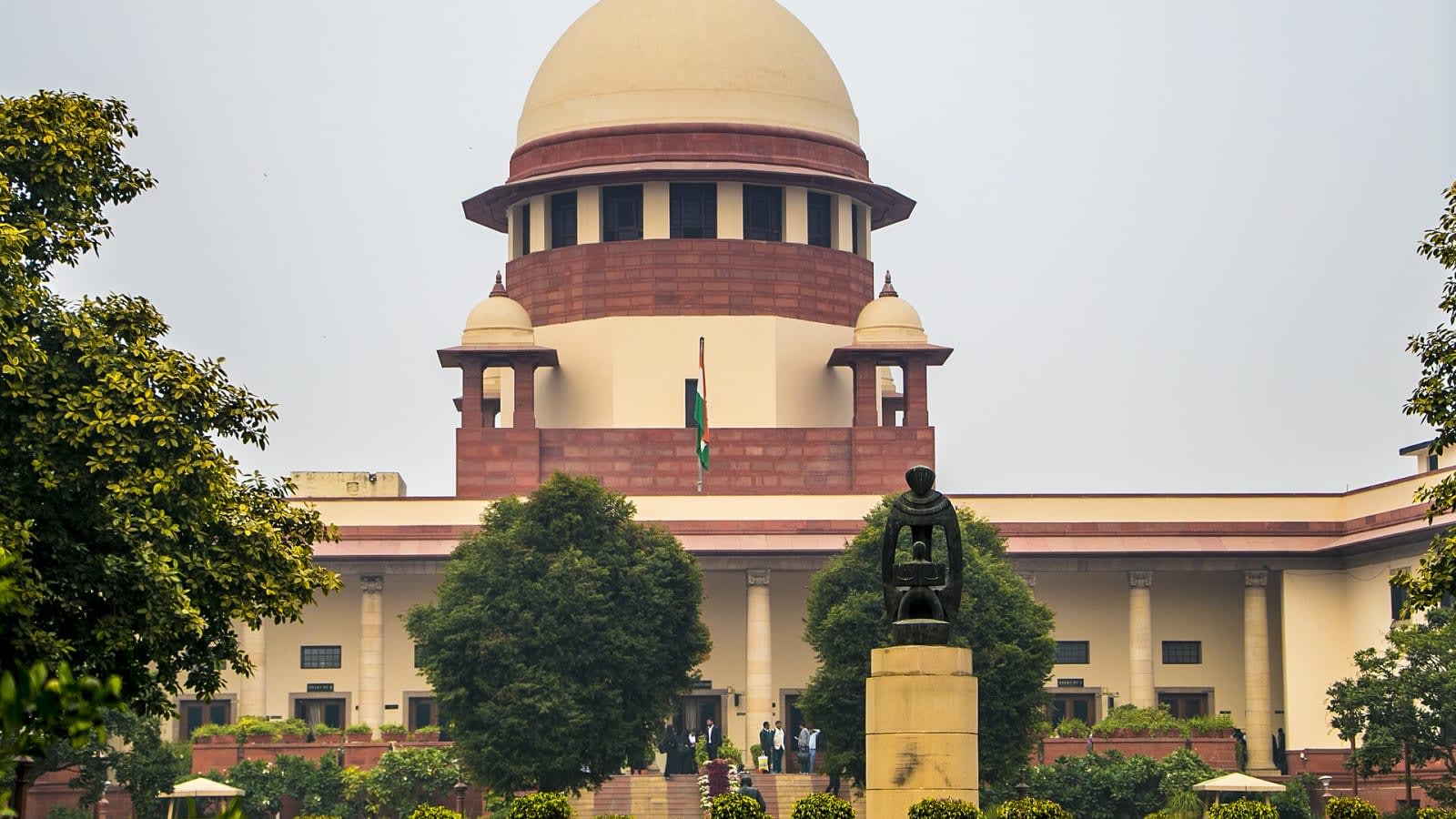
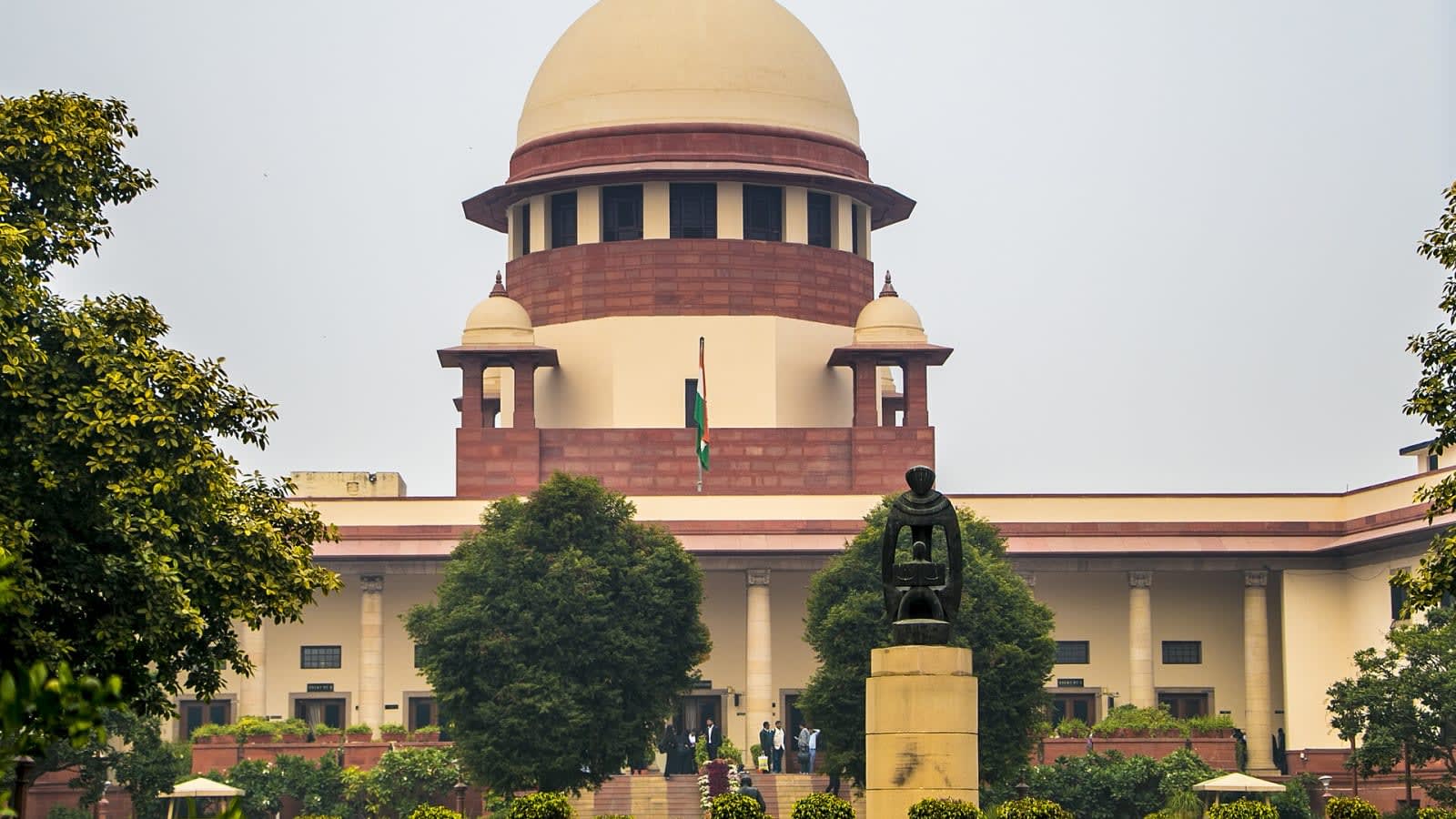
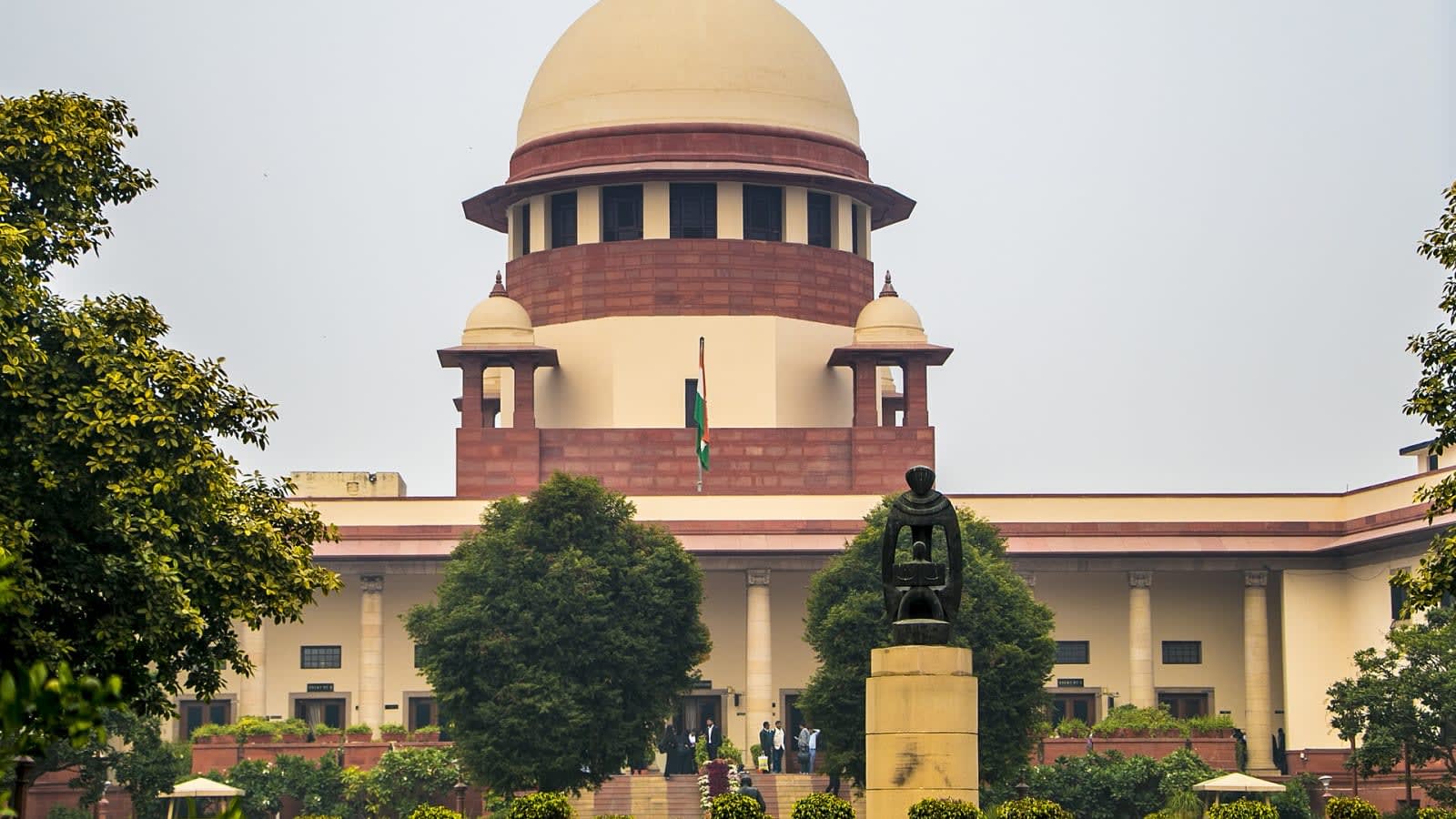
The Supreme Court has issued notices to the Central government and the Election Commission of India over allegations that Chief Election Commissioner Gyanesh Kumar has been taking major decisions unilaterally, bypassing his two fellow commissioners.
A three-judge bench, led by Chief Justice of India Surya Kant and including Justices Joymalya Bagchi and V. Mohana, gave the respondents one week to reply. However, the court declined to pass an interim order to suspend the poll chief, choosing instead to wait for a formal response.
"After notice, if they come and show that ABC decisions were taken without unanimity, we will take those decisions back," Chief Justice Surya Kant said during the hearing on Monday, 5 October 2026.
Allegations of unilateral decision-making
The court was hearing two separate public interest petitions. The first, filed by Patna resident Rakesh Kumar Singh, argued that the Chief Election Commissioner was individually exercising powers that legally belong to the multi-member commission as a whole.
Representing the petitioner, senior advocate Vikas Singh argued that the credibility of the election body had been severely compromised. He pointed out that Section 16 of the Chief Election Commissioner and other Election Commissioners Act, 2023, grants the poll chief unprecedented immunity from legal action, even after leaving office.
"Even judges are not given the protection given to the CEC in Section 16 of the 2023 Act," Justice Bagchi observed during the proceedings.
Vikas Singh pushed for the immediate suspension of Gyanesh Kumar, suggesting that the other two Election Commissioners, Sukhbir Singh Sandhu and Vivek Joshi, could run the body in the interim. He warned that without court intervention to prevent unilateral decisions, "the country will burn."
The bench, however, resisted making an immediate intervention. Justice Bagchi remarked that petitions must be filed with the working of the Constitution in mind, while the Chief Justice noted that many of the allegations were currently based on newspaper reports.
Demands for an audit of voter deletions
A second petition, filed by advocate Shailendra Mani Tripathi and argued by senior advocate Menaka Guruswamy, took a sharper aim at the impact of these decisions. The petition sought an independent judicial inquiry or a Special Investigation Team probe into the commission's actions, including a full audit of its databases.
Guruswamy highlighted the deletion of 13 crore voters across 30 states and union territories under a programme called the Special Intensive Revision. Pointing to the exercise in Delhi, she claimed that arbitrary new criteria had been added to the process, leading to biased outcomes.
"We have grown up with free and fair elections; that is not the case now," Guruswamy told the court.
When Guruswamy raised concerns over changes to voter registration forms, Chief Justice Surya Kant clarified the court's stance. "Any modified Form 6 has not been approved by us. Let's be clear," the Chief Justice said, adding that the court would examine who authorised the changes once records were produced.
Objections within the poll panel
The legal challenges follow a report by The Indian Express which revealed deep internal rifts within Nirvachan Sadan. The report disclosed that Election Commissioners Sukhbir Singh Sandhu and Vivek Joshi had recorded at least 14 formal objections between October 2025 and August 2026.
The two commissioners alleged that critical decisions regarding the Special Intensive Revision of electoral rolls were being issued without their knowledge or consent.
In response to the public friction, the Election Commission has maintained that internal differences of opinion are standard in any administrative body. The commission asserted that all its decisions and orders are backed by full legal authority and have adhered to established statutory processes.
The Supreme Court has decided to tag both petitions together and will resume hearings after receiving responses from the Centre and the election body.
Key numbers
| What | Figure | Source |
|---|---|---|
| Formal objections by Election Commissioners | 14 | The Indian Express report, cited in court petitions |
| Voter names deleted under Special Intensive Revision | 13 crore | Petition filed by Shailendra Mani Tripathi |
| Response deadline given by Supreme Court | One week | Supreme Court order |
In this story
| Name | Role in the story |
|---|---|
| Gyanesh Kumar | Chief Election Commissioner of India whose unilateral functioning is being challenged. |
| Supreme Court of India | Issued notices to the Centre and ECI regarding the functioning of the CEC. |