Supreme Court petition on voter lists faces registry defects as opposition marches in Delhi
The top court's registry identified procedural flaws in the plea against electoral roll revisions as public transport and civic order held firm across the capital.
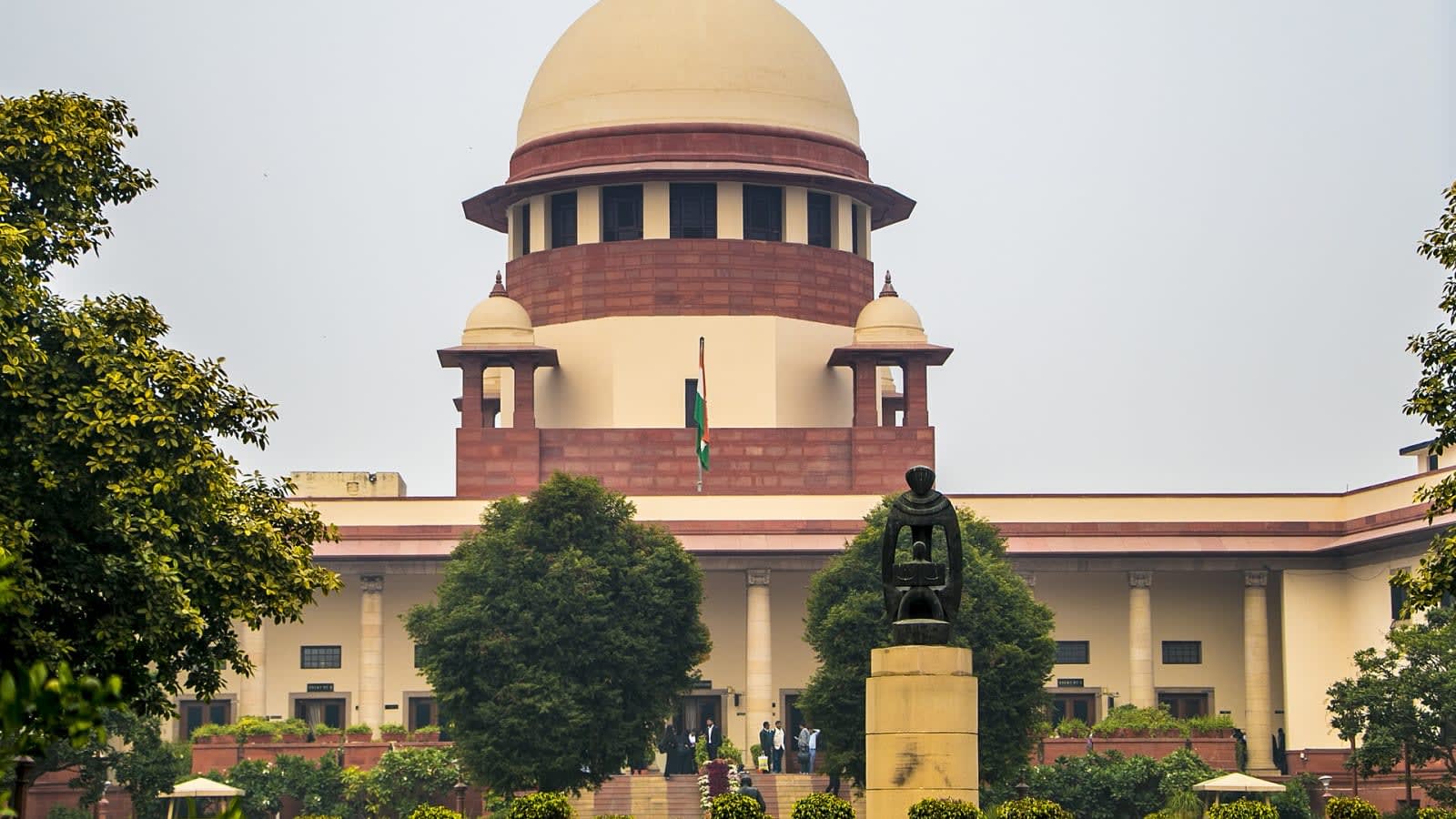
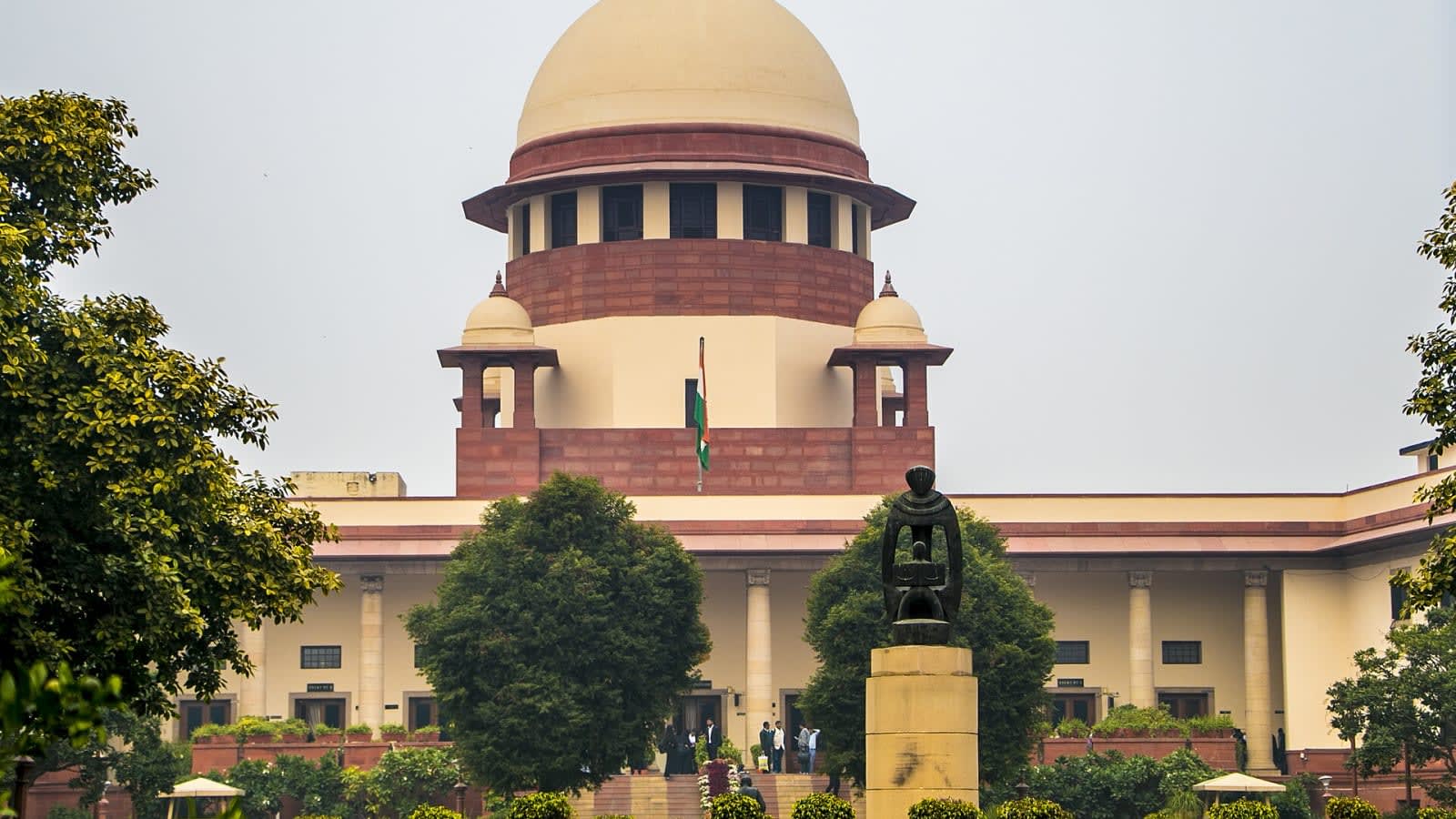
Opposition leaders moved the Supreme Court on Monday to challenge the nationwide Special Intensive Revision (SIR) of electoral rolls, even as the court's registry flagged more than 10 procedural defects in their joint petition.
The demonstration, led by Congress MP Rahul Gandhi alongside representatives from several INDIA bloc parties, saw leaders march along central corridors towards the court gates to submit their filing. The legal submission asks the apex court to appoint an independent committee headed by a retired judge to audit deletions and review Election Commission records.
However, the scrutiny process began with immediate institutional hurdles. Officials at the Supreme Court registry confirmed that the paperwork submitted on Gandhi's behalf contained over 10 procedural defects that require rectification before any formal bench hearing can proceed.
What the dispute involves
The controversy centres on the statutory verification and updating of voter lists undertaken by the Election Commission of India. Opposition parties alleged that the revision unfairly purged voters, demanding the resignation of Chief Election Commissioner Gyanesh Kumar.
The Election Commission has maintained that its three-member panel acted unanimously in overseeing the statutory revision. The poll body confirmed that the roll clean-up follows established legal procedures designed to maintain data integrity, noting that any eligible citizens omitted inadvertently retain full statutory rights to re-enrol through standard application procedures.
| Item | Opposition claim | Election Commission position |
|---|---|---|
| Roll revisions | Alleges unlawful deletions | Standard statutory verification |
| Decision-making | Claims unilateral orders | Decisions taken unanimously |
| Remedy | Demands judicial audit | Re-enrolment via standard forms |
| Target | Seeks CEC resignation | Adherence to constitutional mandate |
Civic order and public management
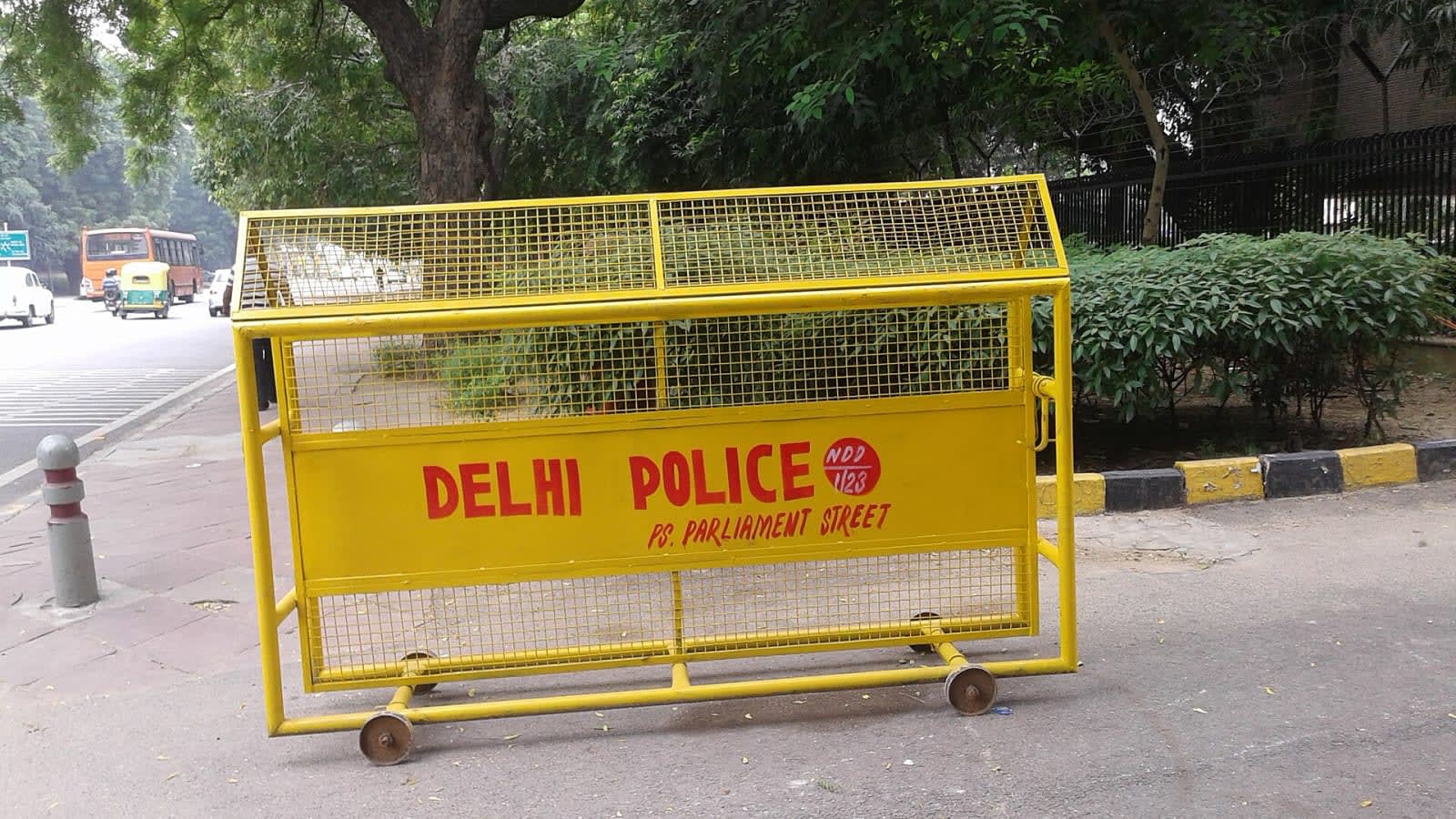
Authorities across the national capital moved swiftly to prevent disruption to daily life. While temporary security cordons were deployed along Bhagwan Das Road, normal civic activity continued across the wider metropolitan area.
The Delhi Metro Rail Corporation confirmed that entry and exit gates across its entire network remained open and normal interchange facilities were fully operational.
The administrative handling followed broader institutional efforts to balance lawful demonstrations with urban convenience. On 9 October, discussions between the Supreme Court and the central government highlighted that cramped demonstration points in central Delhi cause severe commuter congestion and lack basic amenities. Acting on these structural concerns, the Delhi Police de-notified Jantar Mantar and designated spacious alternative grounds at Ramlila Ground, Burari, and the East Delhi CBD to ensure future gatherings operate without paralysing city traffic.
Political divisions within the opposition
The protest also underlined fissures within the opposition ranks. While several parties signed the joint petition, key regional groups kept their distance. In Tamil Nadu, the Dravida Munnetra Kazhagam (DMK) announced it would not participate in Congress-led protests following its departure from the INDIA bloc, stating it had no reason to join demonstrations coordinated by its former ally.
With registry officials awaiting corrections on the petition, the matter remains within constitutional channels, leaving the courts and statutory bodies to address the electoral process through established legal mechanisms.
Key numbers
| What | Figure | Source |
|---|---|---|
| Defects flagged in Rahul Gandhi's petition | More than 10 | Supreme Court registry |
| Distance from court where initial march was halted | 600 metres | Delhi Police |
In this story
| Name | Role in the story |
|---|---|
| Election Commission of India | The constitutional body conducting the Special Intensive Revision of electoral rolls. |
| Rahul Gandhi | Leader of the Opposition in the Lok Sabha who led the march and filed the petition. |
| Supreme Court of India | The apex judicial body whose registry flagged defects in the opposition petition regarding voter roll revisions. |