
Supreme Court pauses order forcing FCC decision on political ad rates
The temporary ruling halts a two-day deadline for the agency to rule on a policy that lowers TV ad costs for political parties.
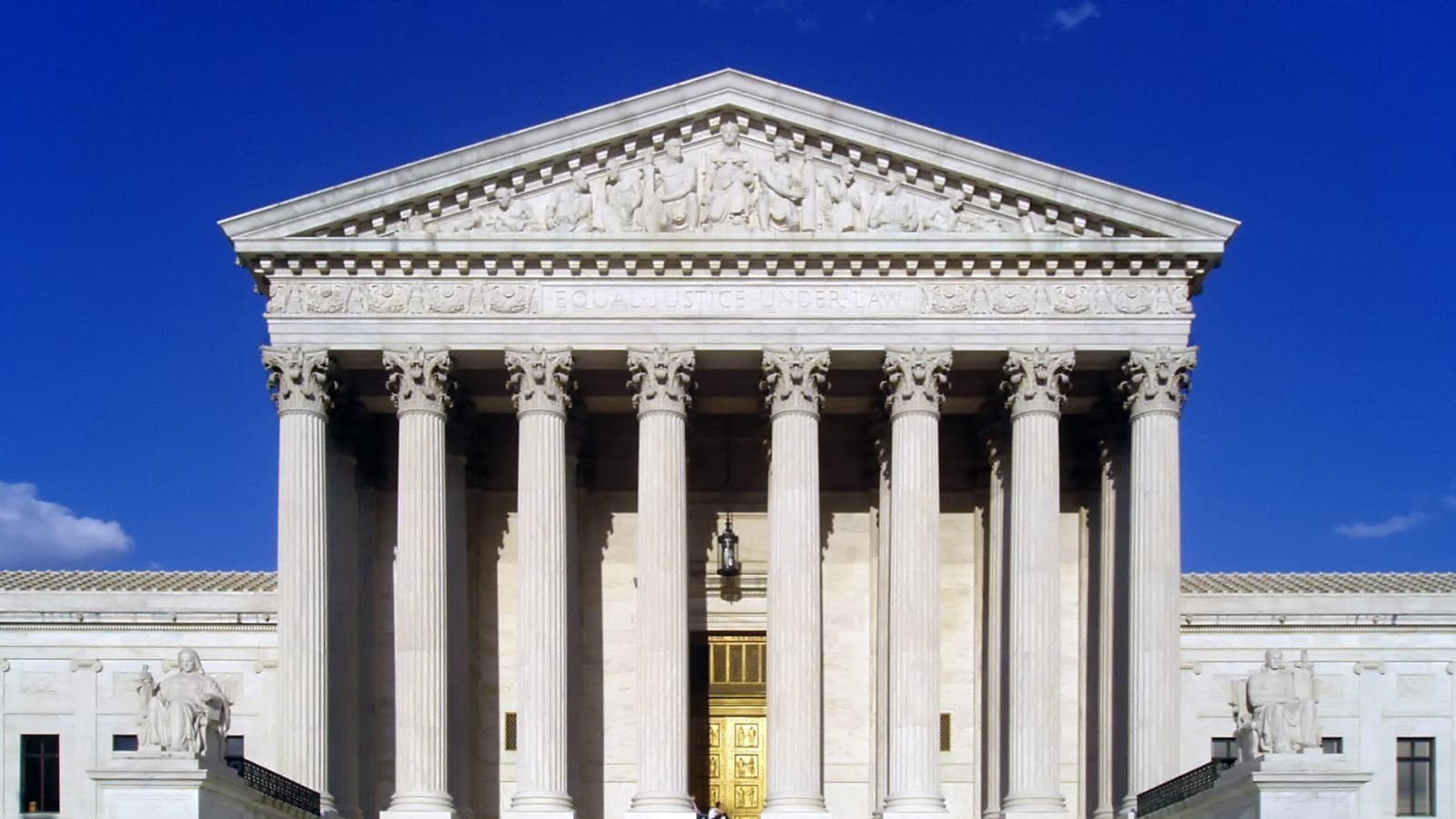
What the Supreme Court decided
The US Supreme Court has temporarily intervened in a battle over political television advertising rates, halting a lower court order that sought to force a swift decision from federal regulators.
On 8 October, the justices paused a ruling from the Richmond-based 4th US Circuit Court of Appeals. The appeals court had accused the Federal Communications Commission (FCC) of deliberate delay and "gamesmanship," giving the agency just two days to resolve a complaint brought by Democratic candidates.
The Supreme Court's intervention is a temporary victory for the Trump administration and congressional Republicans. The justices have ordered the Democrats to file their response to the administration's appeal by 10 October.
The dispute over discount ad rates
The dispute centres on a March ruling by the FCC that expanded access to the cheapest advertising slots. Under US federal law, television and radio stations must offer their lowest rates to legally qualified political candidates in the weeks leading up to an election. The FCC decided that these discounted rates should also apply to advertisements purchased by political parties, so long as they coordinate the ads with a candidate's campaign.
Four Democratic candidates running in competitive House and Senate races, including Georgia Senator Jon Ossoff, challenged the interpretation. They argue the regulator is rewriting the rules to benefit party-funded campaigns.
The financial implications for the midterm elections are significant. Republican party committees have raised considerably more money than their Democratic rivals. The FCC's policy allows those wealthy party organisations to buy advertising space at heavily discounted candidate rates. This could help the Republican Party bridge the gap in key battleground races where individual Democratic candidates have out-raised their Republican opponents.
The legal path to the high court
The legal fight has moved quickly. In September, the Supreme Court ruled in favour of the Republicans, stating that the appeals court could not block the FCC's advertising policy before the agency finished its internal review.
Frustrated by the agency's subsequent pace, the 4th Circuit stepped in again on 7 October. In a 2-1 decision, the appellate panel accused the FCC of trying to "create from whole cloth a new rule entirely outside the purview of judicial review." The judges wrote that they had granted the agency "a substantial amount of grace, but its gamesmanship must end," and imposed the 48-hour deadline.
The Justice Department quickly filed an emergency appeal to the Supreme Court. Government lawyers argued that the FCC is still collecting public comments on the policy. They also stated that it is "entirely reasonable to refrain from issuing a decision on campaign-finance rules in the middle of the election season."
With the temporary pause now in place, the Supreme Court will decide its next steps after receiving the Democrats' response.
Key numbers
| What | Figure | Source |
|---|---|---|
| Appeals court deadline for the FCC | 2 days | 4th US Circuit Court of Appeals order |
| Deadline for Democratic response to appeal | 10 October | Supreme Court order |
In this story
| Name | Role in the story |
|---|---|
| Supreme Court of the United States | Issued a temporary pause on the lower court's FCC deadline. |
| Federal Communications Commission | The regulator whose political ad rate policy is being challenged. |


