Supreme Court seeks Centre's response on plea to hold Delhi protest organisers liable for damage
The bench led by Chief Justice Surya Kant asked authorities to examine rules requiring prior clearances, designated sites, and financial liability for civic disruptions.
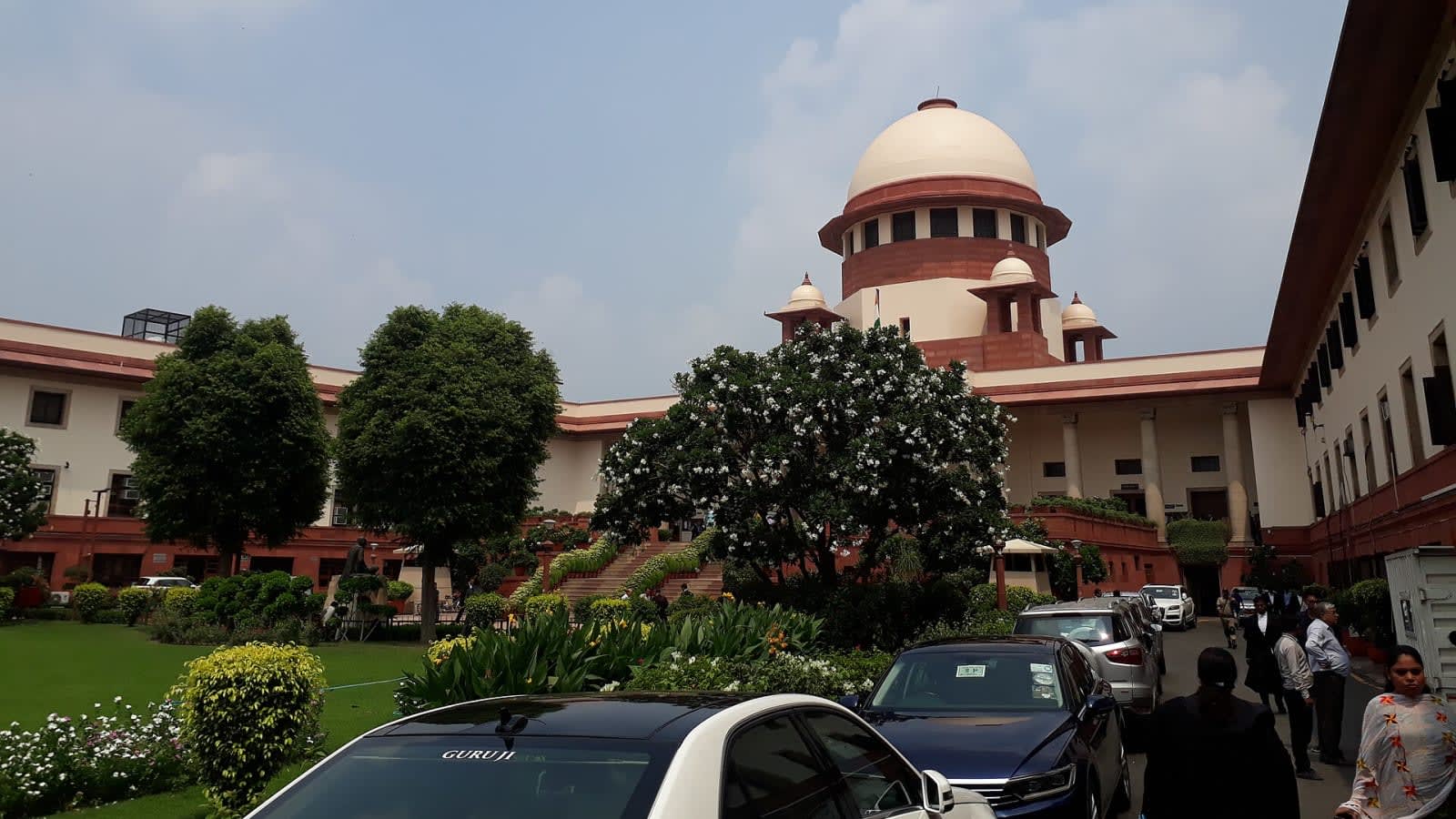
The Supreme Court on Thursday sought responses from the central government, the Delhi Police, and other authorities on a petition proposing strict legal accountability for protest organisers whose demonstrations cause civic disruption or property damage in the national capital.
A bench comprising Chief Justice of India Surya Kant and Justice Joymalya Bagchi issued notices on the plea, which asks the court to declare convenors personally or jointly liable for any loss of life, personal injury, destruction of public or private assets, and administrative costs resulting from unlawful acts or breaches of demonstration permits.
Clear rules to protect public infrastructure
The petition seeks a clear regulatory framework to prevent everyday disruptions in Delhi, arguing that no procession, dharna, or public gathering should proceed without prior written clearance from designated authorities.
To preserve essential transport links, commercial hubs, and densely populated residential areas, the plea asks authorities to notify specific demonstration sites away from the heart of the city. Under the proposed measures, any organiser seeking permission would also have to submit a formal affidavit declaring their funding sources.
| Proposed measure | Intended civic outcome |
|---|---|
| Mandatory prior clearance | Prevents unannounced road blockages and disruptions |
| Designated demonstration zones | Protects commercial hubs and dense residential sectors |
| Funding disclosure affidavit | Identifies domestic, foreign, or untraceable funding sources |
| Financial and legal liability | Recovers public restoration costs from convenors |
The plea specifies that hiding foreign or unverified funding, or submitting false information, should lead to an immediate revocation of permissions, financial recovery, and legal proceedings under existing statutes.
Maintaining order in the capital
The court heard the plea alongside several matters connected to public assemblies across the capital. In a related case challenging the decision by the Delhi Police to de-notify Jantar Mantar as a regular demonstration ground, the bench sought responses from both the Union and Delhi governments. During that hearing, Justice Bagchi observed that modern technology provides contemporary avenues for citizens to express grievances and be heard without disrupting physical public spaces.
To maintain an accurate record of events, the bench directed law-enforcement agencies to preserve CCTV footage and digital materials relating to recent demonstrations. It also directed that prohibitory orders issued under Section 163 of the Bharatiya Nagarik Suraksha Sanhita (BNSS)—the statutory provision empowering executive magistrates to prevent public danger and disorder—be formally placed on the court record. The central government is set to file a consolidated response on the wider issues.
Firm stance on court decorum
The bench also issued notices to the Congress party, Rahul Gandhi, and several political leaders over an October 12 political march into court registry premises, as well as social media posts targeted at the Chief Justice.
During submissions regarding attempts to pressure the legal system, Chief Justice Kant took a firm stance in defence of institutional independence, stating plainly: "Nobody can browbeat the judiciary."
Separately, the bench issued notices to the Election Commission regarding an opposition petition concerning voter roll revisions, noting that the court remains fully aware of public statements made both inside and outside the courtroom as it reviews the matters.
Key numbers
| What | Figure | Source |
|---|---|---|
| Supreme Court bench | Chief Justice Surya Kant and Justice Joymalya Bagchi | Supreme Court proceedings |
| Date of opposition march to court registry | 12 October 2026 | Court petition |
| Key statutory order reviewed | Section 163 of the Bharatiya Nagarik Suraksha Sanhita (BNSS) | Supreme Court order |
In this story
| Name | Role in the story |
|---|---|
| Surya Kant | Chief Justice of India heading the bench examining the petitions. |
| Delhi Police | Respondent asked to reply to the plea and preserve demonstration records. |
| Supreme Court of India | Heard the petitions and issued notices to authorities regarding protest liability and demonstration rules. |
| Joymalya Bagchi | Supreme Court Justice on the bench. |