Supreme Court warns of constitutional tort over protest losses, presses Centre on road safety
The apex court raised constitutional tort compensation to protect traders during festive sales, alongside directives for swift pedestrian safety work in Delhi.

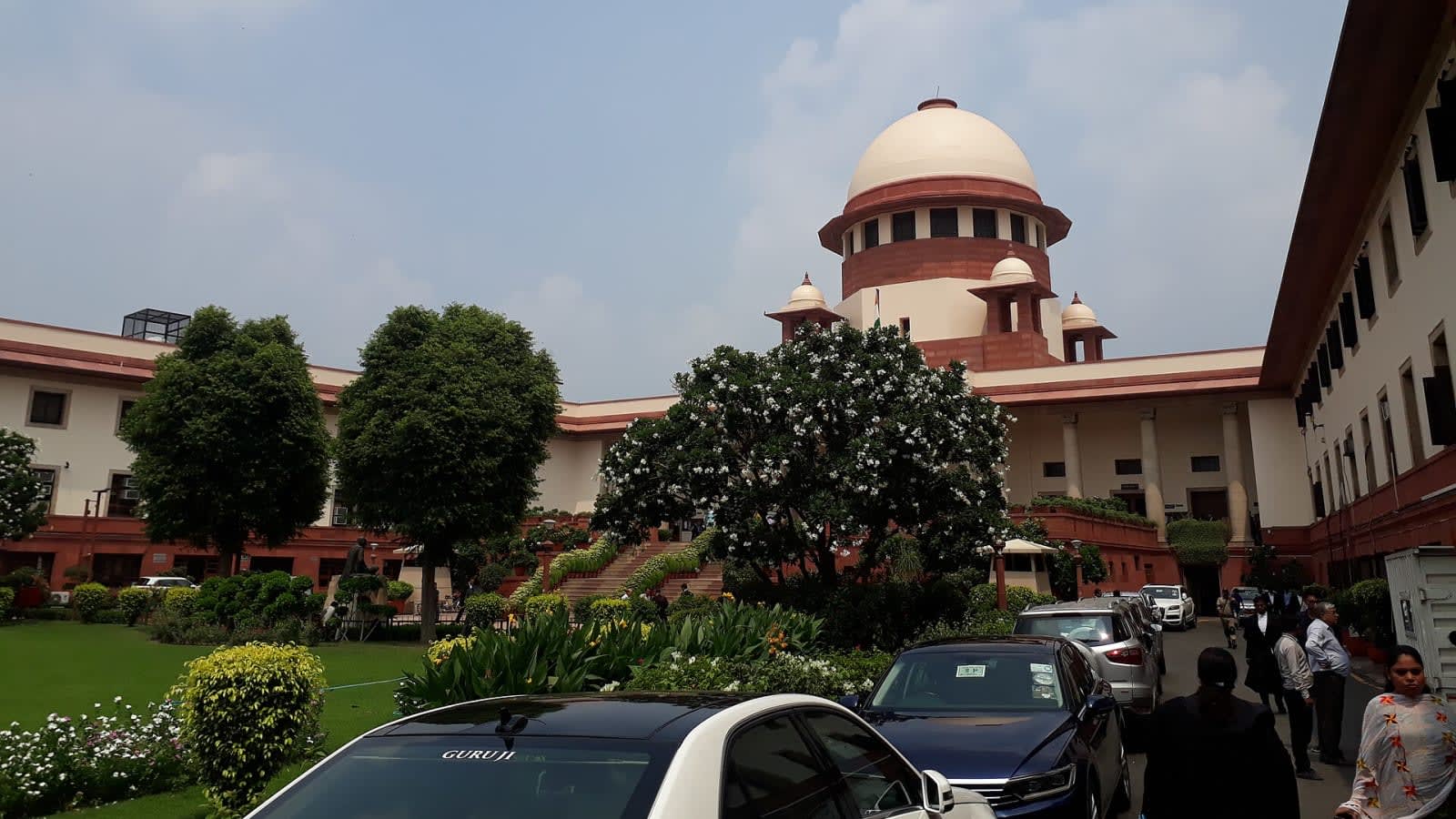
The Supreme Court has warned that it could invoke its constitutional tort jurisdiction to compensate traders and daily-wage earners if unmonitored protest disruptions cause disproportionate economic harm to small businesses.
Hearing a plea on potential protest gatherings at Connaught Place during the busy festive season, a bench comprising Chief Justice of India Surya Kant and Justice Joymalya Bagchi emphasised that public interest and trade must be protected. The court noted that small shopkeepers rely heavily on seasonal sales to sustain their families, cautioning that disproportionate restrictions on trade could attract judicial orders for monetary compensation.
Legal representatives for the traders told the court that disruptions around Connaught Place risk losses exceeding ₹250 crore a day. Law enforcement agencies have taken structured steps to maintain order, designating specific alternative protest venues across the capital to preserve public convenience.
| Issue Before Apex Court | Presiding Bench | Key Court Observation or Directive |
|---|---|---|
| Connaught Place Protest Disruptions | CJI Surya Kant, Justice Joymalya Bagchi | Warned of constitutional tort damages if traders face disproportionate festive losses |
| Mathura Road Pedestrian Crossing | Justice JB Pardiwala, Justice KV Viswanathan | Asked Centre for concrete infrastructure progress outside Delhi High Court by 25 November |
| MV Act Interim Compensation | Justice JB Pardiwala, Justice KV Viswanathan | Directed official gazette notification and wide publicity for accident relief scheme |
In a separate hearing, another bench led by Justice JB Pardiwala called for concrete action on public infrastructure, focusing on the lack of a pedestrian crossing on Mathura Road near the Delhi High Court and the National Zoological Garden. Responding to submissions from Additional Solicitor General Vikramjit Banerjee that a high-level committee is reviewing the project, the court insisted on tangible progress on the ground before 25 November.
The same bench also addressed road safety regulations, instructing the Ministry of Road Transport and Highways to ensure proper gazette publication and wide publicity for the interim relief scheme under Section 164A of the Motor Vehicles Act, ensuring accident victims can easily access compensation.
Key numbers
| What | Figure | Source |
|---|---|---|
| Estimated daily loss to Connaught Place traders during disruptions | Over ₹250 crore | Advocate Jai Anant Dehadrai |
| Deadline set by SC for pedestrian crossing progress on Mathura Road | 25 November | Supreme Court bench led by Justice JB Pardiwala |
| Alternative protest venues notified in Delhi | Ramlila Maidan, Burari Ground, CBD Ground | Delhi Police |
In this story
| Name | Role in the story |
|---|---|
| Surya Kant | Chief Justice of India heading the bench addressing trader losses from protests. |
| Connaught Place | Major commercial hub in Delhi affected by protest disruption concerns. |
| Supreme Court of India | Apex judicial authority hearing petitions on protest impacts and pedestrian infrastructure. |
| JB Pardiwala | Supreme Court Justice heading the bench on pedestrian infrastructure and road safety. |
| Joymalya Bagchi | Supreme Court Justice who raised constitutional tort compensation jurisdiction. |