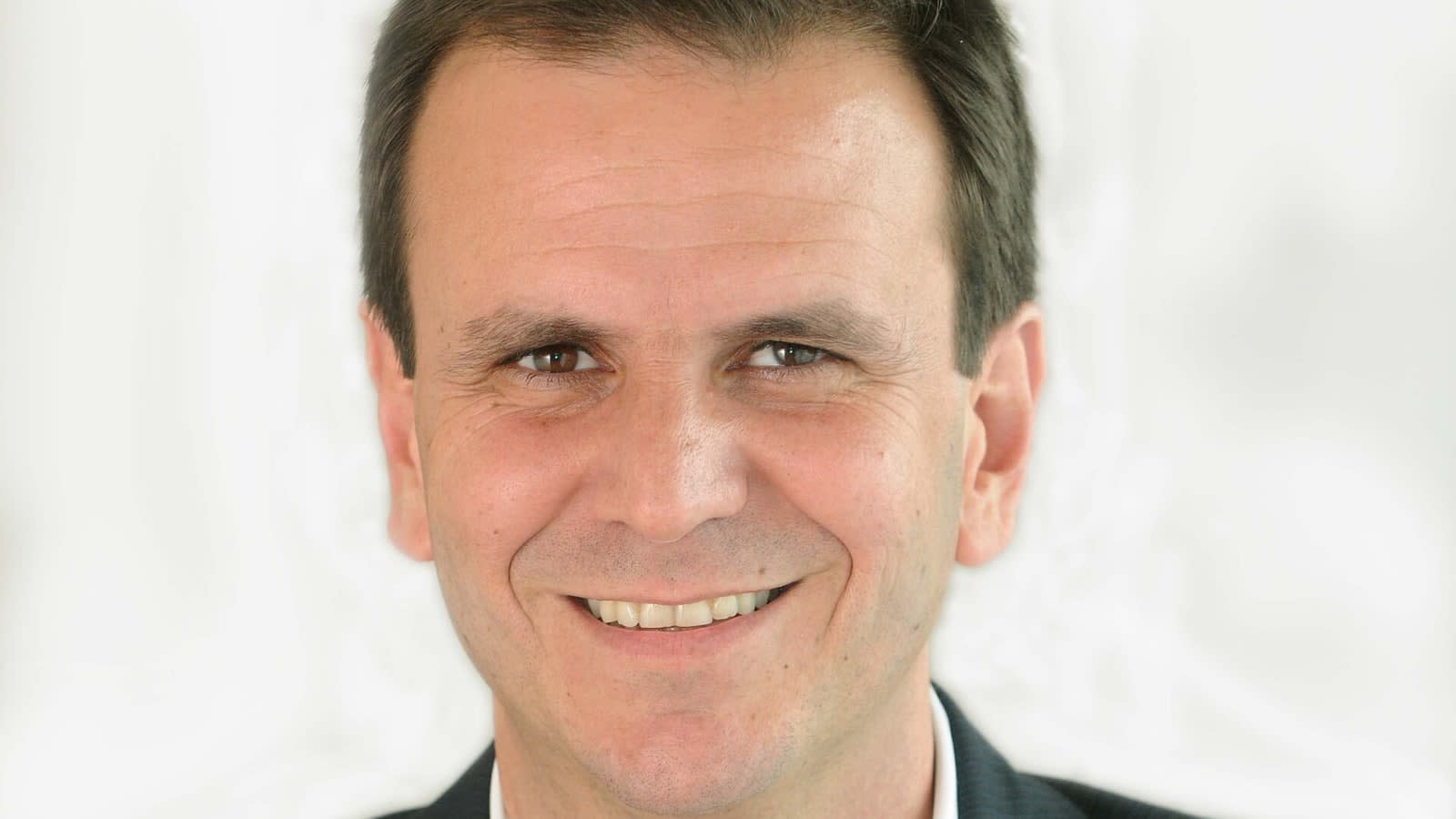
Brazil elections 2026: Nunes Marques reports smooth voting with no foreign threat
The head of the electoral court declares the process secure despite isolated arrests, technical investigations, and tragic deaths at polling stations.

Brazil’s electoral chief Kassio Nunes Marques has declared that the first round of the 2026 general elections has proceeded smoothly, rejecting any suggestions of foreign interference or major security disruptions.
Speaking at a press conference on Sunday, 4 October, the President of the Superior Electoral Court (TSE) confirmed that intelligence reports had found no credible threats to the electronic voting system.
"We have not received any concrete indication of risk and, so far, it has not occurred," Nunes Marques said after casting his ballot in Brasília. He added that fears of disruption by organised crime syndicates had also proved unfounded.
His assessment was echoed by the Organisation of American States (OAS) observer mission, which praised the continued technical refinement of Brazil's 30-year-old electronic voting machines. José Miguel Insulza, the head of the OAS mission, said observers found no major incidents across the 21 states they monitored.
Deaths and arrests at the polls
Despite the overall calm, emergency services were called to several tragic incidents. At least four voters died after falling ill at polling stations in Rio de Janeiro, Amazonas, Mato Grosso do Sul, and Pernambuco. Among them was a 68-year-old man who collapsed inside a voting booth at a school in Cupira, Pernambuco. Officials had to temporarily suspend voting at the site while emergency workers recovered his body.
Security forces also clamped down on illegal campaigning and vote-buying. By mid-afternoon, the Federal Police had seized nearly R$ 790,000 (£110,000) in cash and assets linked to suspected electoral crimes.
According to the Ministry of Justice, at least 175 electoral infractions were recorded by 11:00 am, leading to the arrests of two candidates and a voter. Most violations involved illegal leafleting, known locally as "boca de urna". In Franca, São Paulo, police detained a 69-year-old woman who admitted she was being paid R$ 100 to hand out campaign pamphlets near a school.
Politicians under scrutiny
The day was not without political drama. In Minas Gerais, electoral authorities opened an investigation into presidential candidate Romeu Zema after he took his mobile phone into a voting cubicle in Araxá. Brazilian law strictly bans phones inside the booths to prevent voters from photographing their ballots. Zema later told reporters he had carried the device out of habit and denied taking any photos.
In the capital, former first lady Michelle Bolsonaro, who is running for a Senate seat, was met with heavy booing and jeers from waiting voters at her polling station. A video of the confrontation, which showed an angry exchange between Bolsonaro and a voter, circulated widely on social media shortly before she cast her vote.
Early results from abroad
As the domestic count got underway, preliminary results from Brazilian embassies abroad showed a deeply polarised electorate.
In Paris, current President Luiz Inácio Lula da Silva secured a commanding lead, winning 8,161 votes compared to 1,681 for his conservative challenger, Flávio Bolsonaro. Lula also carried the vote in Australia, Germany, and several Middle Eastern countries including Palestine.
However, Flávio Bolsonaro claimed landslide victories in Japan, where he won over 71% of the vote, as well as in Israel and the United Arab Emirates.
Key numbers
| What | Figure | Source |
|---|---|---|
| Seized cash and assets | R$ 789,828 | Federal Police |
| Electoral crimes recorded by 11am | 175 | Ministry of Justice |
| Voter deaths at polling stations | 4 | Local emergency services |
In this story
| Name | Role in the story |
|---|---|
| Kássio Nunes Marques | President of the Superior Electoral Court (TSE) who oversaw the voting process and confirmed its security. |