
Rio de Janeiro governor election faces runoff but TSE ruling on Garotinho could decide it
Douglas Ruas fell just short of an outright win over Eduardo Paes, but a pending legal decision over Anthony Garotinho's annulled votes could still hand him the state.
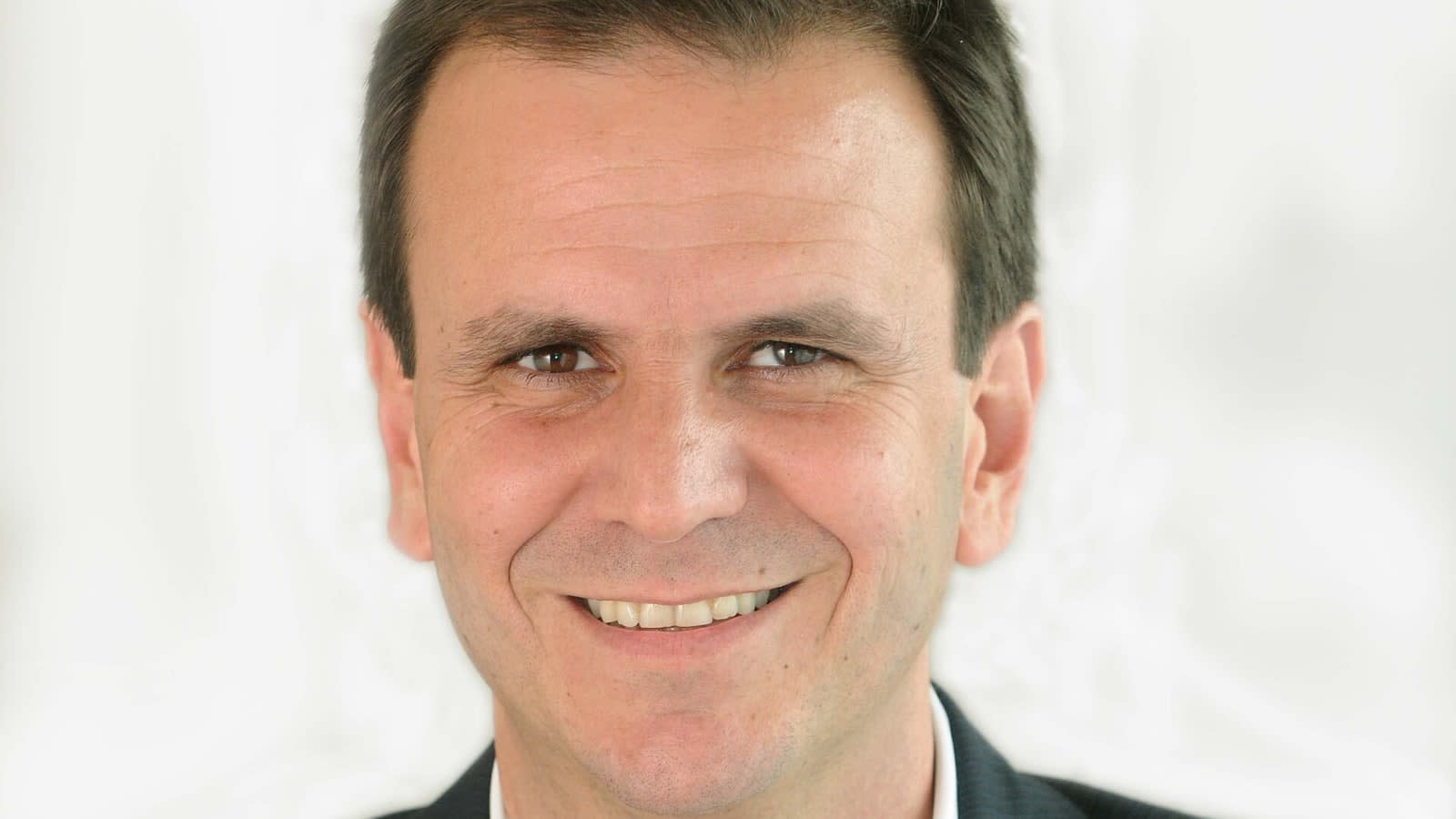
The first round of Brazil’s 2026 elections ended with a potential second-round battle for Rio de Janeiro's governorship between Douglas Ruas and Eduardo Paes. However, whether the runoff on 25 October actually happens rests entirely in the hands of the Superior Electoral Court (TSE).
Ruas, a state deputy representing the Liberal Party (PL), finished with 49.27 per cent of the vote, representing 4,271,199 votes. His chief rival, the former Rio mayor Eduardo Paes of the Social Democratic Party (PSD), secured 42.76 per cent, or 3,706,984 votes. Under normal circumstances, this would trigger an automatic runoff. But a legal dispute over a third candidate, Anthony Garotinho, has left the final outcome hanging.
Garotinho, running for the Republicanos party, had his candidacy rejected before the election but was allowed to stay on the ballot while appealing. He won 274,411 votes (3.17 per cent), which are currently classified as annulled sub judice. If the TSE rejects his appeal, those votes will be discarded entirely. That would reduce the total number of valid votes in the state, automatically boosting Ruas's share to 50.89 per cent—just over the threshold needed to win the governor's office in the first round. Claudio de Mello Tavares, the president of Rio's Regional Electoral Court (TRE-RJ), confirmed that the TSE will have the final word on the matter.
TSE gives positive national assessment
Nationally, the election ran smoothly. Kássio Nunes Marques, the president of the TSE, gave a highly positive assessment of the first round, which involved more than 158 million eligible voters. He said international observers from the Organisation of American States (OAS), Parlasul, and Uniore confirmed the transparency and integrity of the vote.
Security was a major operation, with more than 320,000 officers deployed. The Ministry of Justice reported 907 electoral crimes—mostly illegal campaigning near polling stations—and seized 626,000 reais. Despite these incidents, Nunes Marques highlighted a major success: an 80 per cent drop in disinformation alerts compared to the 2022 elections. Turnout was a slight concern, with abstentions hitting 21 per cent, or 33 million absent voters. The TSE president pledged to work on drawing voters back to the polls for the second round.
Candidates prepare for the second round
For now, both Rio frontrunners are preparing for a potential runoff campaign. Ruas, the current president of the state legislature, celebrated his strong showing alongside his family in São Gonçalo. He campaigned on expanding the state's civic-military schools from 17 to 200 and aligning his platform with Senator Flávio Bolsonaro’s presidential ambitions.
Paes voted in São Conrado and struck an optimistic but combative tone. Speaking to supporters, he argued that a second round would allow for a clearer debate, free from what he called the "fog" of the first round. He promised to reunify the state's security departments and set up new regional health centres to cut down hospital waiting times.
Key numbers
| What | Figure | Source |
|---|---|---|
| Douglas Ruas first round vote | 4,271,199 votes (49.27%) | Rio de Janeiro Regional Electoral Court (TRE-RJ) |
| Eduardo Paes first round vote | 3,706,984 votes (42.76%) | Rio de Janeiro Regional Electoral Court (TRE-RJ) |
| Anthony Garotinho sub judice vote | 274,411 votes (3.17%) | Rio de Janeiro Regional Electoral Court (TRE-RJ) |
| National election abstention rate | 21% (over 33 million voters) | Superior Electoral Court (TSE) |
| Electoral crimes registered | 907 cases | Ministry of Justice |
| Cash seized during election day | 626,000 reais | Ministry of Justice |
In this story
| Name | Role in the story |
|---|---|
| Rio de Janeiro | The Brazilian state where the governor's race remains legally unresolved. |
| Eduardo Paes | PSD gubernatorial candidate for Rio de Janeiro and former mayor of Rio. |
| Douglas Ruas | PL gubernatorial candidate for Rio de Janeiro who finished first in the initial count. |
| Kássio Nunes Marques | President of the TSE who evaluated the national election process. |
| TSE | Brazil's Superior Electoral Court, responsible for evaluating the national vote and deciding on sub judice candidacies. |


