Chirag Paswan targets Delhi travel curbs ahead of CJP protest
Union minister and BJP ally says lockdowns will fail to block a demonstration demanding the chief election commissioner's resignation.
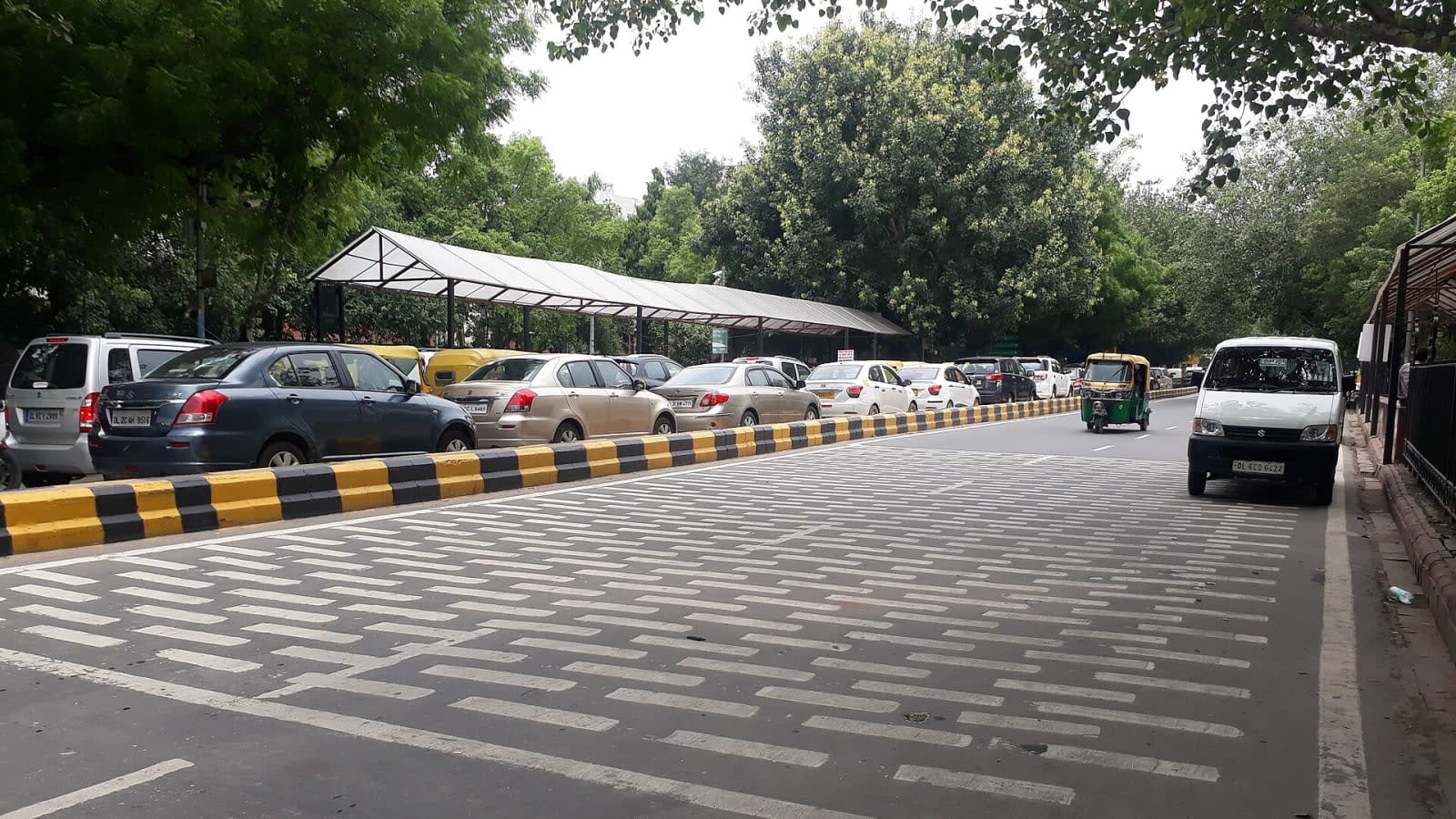
Union Minister Chirag Paswan has criticised the sweeping transit restrictions imposed across Delhi, declaring that "nothing can stop" India's youth as authorities scramble to block a major political protest in the capital.
His comments came as the city went into a state of near-lockdown on Friday night. The Delhi Metro Rail Corporation shut down entry and exit gates at 57 stations, while Indian Railways cancelled dozens of trains heading to the capital. The Ministry of Home Affairs also suspended mobile internet services within a four-kilometre radius of the Janpath-Kartavya Path crossing, a move that Jammu and Kashmir Chief Minister Omar Abdullah likened to exporting the "Kashmir model" to Delhi.
Paswan, who heads the Lok Janshakti Party (Ram Vilas) and is a key ally in the BJP-led national government, questioned the wisdom of trying to seal off the city to prevent the demonstration.
"To those attempting to spread such misconceptions, I ask: how many trains can anyone really stop? How much connectivity can be blocked? How many roads can be jammed?" Paswan said. "These are India's youth; they possess the capacity to show the world the way."
Why are youth protesting in Delhi?
The extraordinary security measures were deployed to stop a planned demonstration at Jantar Mantar on Saturday, 10 October. Organised by the Cockroach Janta Party (CJP) and various student groups, the protest is demanding the resignation of Chief Election Commissioner Gyanesh Kumar over alleged irregularities in the Special Intensive Revision of electoral rolls.
Delhi Police denied permission for the rally, citing short notice and potential public safety risks. To enforce the ban, authorities deployed more than 20,000 security personnel, including Border Security Force troops along the Noida-Delhi border, and heavily barricaded roads leading to the protest site.
Mass transit shutdown hits commuters
The scale of the preventive measures has caused widespread disruption for everyday commuters and travellers.
The 57 affected metro stations include major transit hubs like Rajiv Chowk, New Delhi, Central Secretariat, Patel Chowk, and Kashmere Gate. Although interchange facilities remained open at most of these stations, the New Delhi metro station was closed entirely.
On the railway network, all mail and express trains scheduled to arrive at New Delhi and Hazrat Nizamuddin stations between 4 am and 2 pm on Saturday were cancelled. The cancellations hit high-profile services, including the Rajdhani Express trains from Howrah and Sealdah, leaving passengers stranded.
Growing political backlash
The government's heavy-handed response has drawn sharp criticism from across the political spectrum.
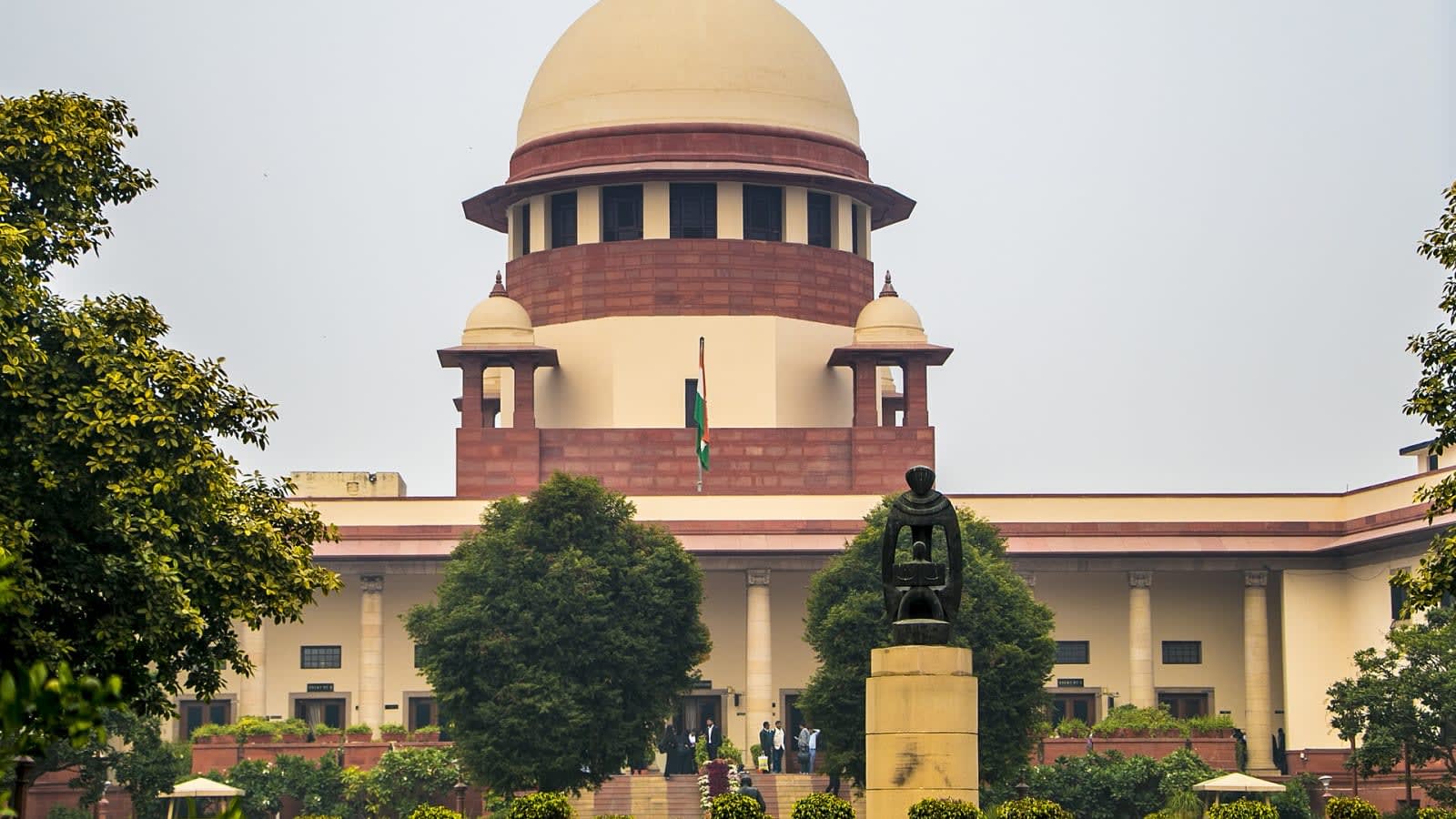
Trinamool Congress leader Derek O'Brien mocked the administration's restrictions on social media, claiming the government was running scared of the youth. Meanwhile, the Communist Party of India (Marxist) has mounted a legal challenge, with general secretary M A Baby approaching the Supreme Court to fight the travel curbs.
Paswan’s own criticism highlights his increasingly independent public posture. While he later stated he was satisfied with the Election Commission's technical clarifications on the electoral roll issue, his immediate defence of the protesters' right to travel signals that even close government allies are uneasy with the capital's security lockdown.
Key numbers
| What | Figure | Source |
|---|---|---|
| Metro stations ordered to close | 57 | Delhi Metro Rail Corporation |
| Security personnel deployed | More than 20,000 | Police and security officials |
| Duration of train suspension | 10 hours | Indian Railways |
In this story
| Name | Role in the story |
|---|---|
| Chirag Paswan | Union Minister and LJP-RV chief who criticised the transit restrictions. |