Devolved leaders unite in Cardiff to demand independence referendum rights
The first ministers of Scotland, Wales, and Northern Ireland will sign a joint declaration challenging Westminster's authority.
The leaders of Scotland, Wales, and Northern Ireland are meeting in Cardiff on Monday to sign a joint declaration asserting their right to hold independence referendums, marking the first coordinated attempt by all three devolved nations to challenge Westminster's constitutional authority.
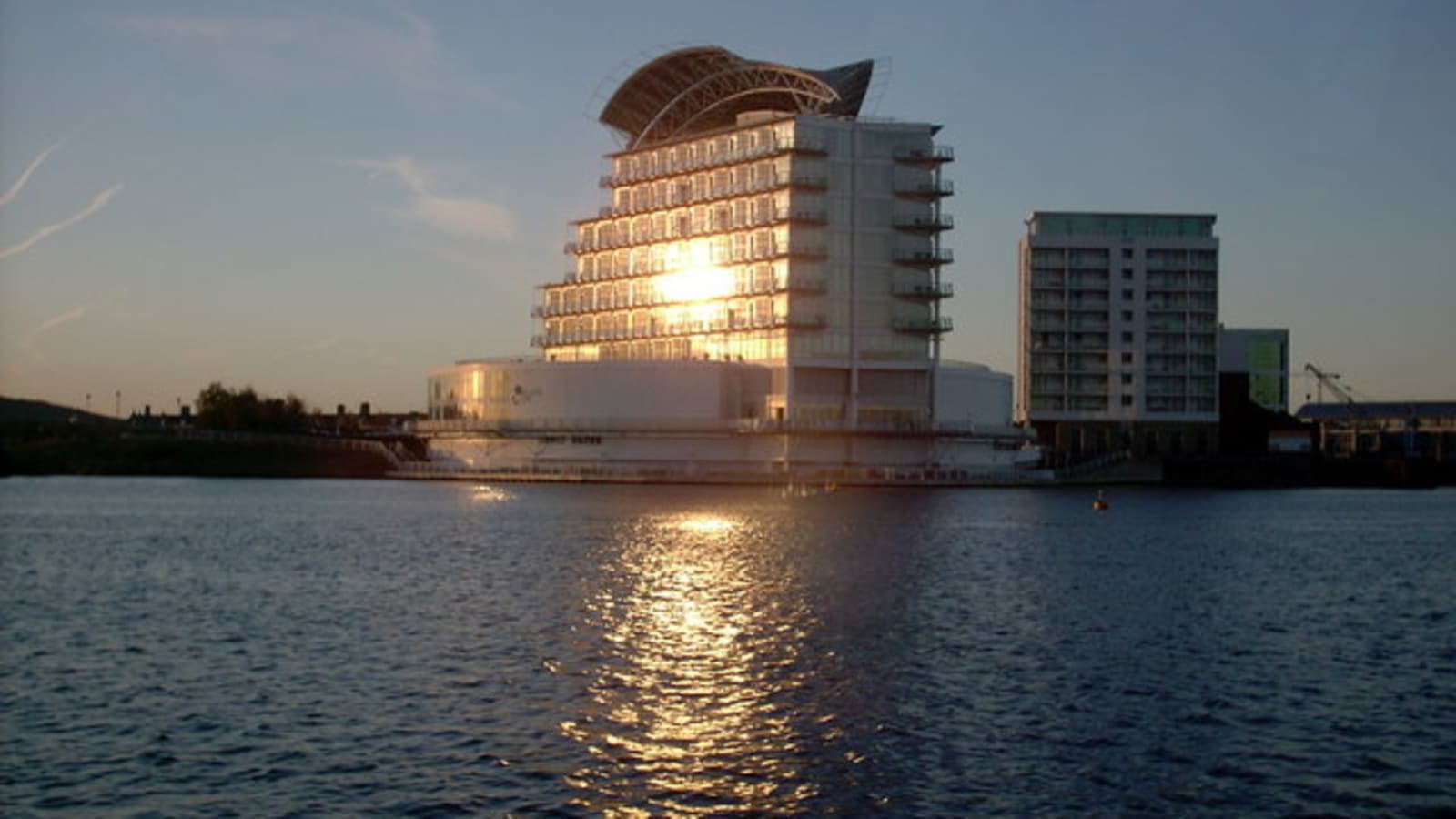
Scottish First Minister John Swinney, Welsh First Minister Rhun ap Iorwerth, and Northern Ireland's First Minister Michelle O’Neill will gather at the St David’s Hotel overlooking Cardiff Bay. They will be joined by Sinn Féin president Mary Lou McDonald to sign a memorandum of understanding that commits their administrations to a joint campaign for self-determination.
Why the leaders are meeting in Cardiff
The summit comes at a moment of unprecedented political alignment across the UK. Following elections in Wales in May, where Plaid Cymru became the largest party in the Senedd, all three devolved governments are led by nationalist or pro-independence politicians for the first time.
For years, the devolved administrations have pursued their constitutional goals independently. This joint declaration represents a tactical shift, aiming to present a united front that London cannot easily ignore. Swinney said on Sunday that the "status quo is not sustainable" and that "Westminster must prepare for a post-UK future."
The row over Andy Burnham's comments
The immediate catalyst for the joint declaration is a growing dispute over recent comments made by UK Prime Minister Andy Burnham. During Prime Minister’s Questions, Burnham suggested to MPs that he would authorise another Scottish independence referendum if there were a "clear consensus" in favour of one, comparing the situation to the border poll mechanism in Northern Ireland.
Swinney quickly seized on the remarks. He wrote to Burnham calling for talks on how an "agreed legal mechanism" for a future vote could be established, and told reporters that the Prime Minister must be "facing up to the idea that he will go down in history as the final prime minister of the United Kingdom."
Burnham has since tried to backtrack. In a letter sent to Swinney on Thursday, the Prime Minister insisted that a second referendum was "off-limits" before the next general election. Burnham wrote that he was "simply highlighting that there is no consensus for an independence referendum in Scotland" and that Labour's 2024 manifesto made its opposition to a vote unambiguous.
Trump’s intervention and the Irish question
The constitutional debate has also been stirred by US President Donald Trump. Speaking in Dublin on Saturday, Trump told reporters he would "love" to see a united Ireland, describing reunification as "a fantastic thing" that is "going to happen eventually." Under the 1998 Good Friday Agreement, Northern Ireland can hold a referendum on leaving the UK if it appears likely a majority would support joining a united Ireland.
What else is on the agenda
Beyond the constitutional push, the Cardiff agreement will commit the three parties to closer cooperation on economic policy, energy, and relations with Europe. All three administrations support European Union membership for their nations—either as independent states or, in Northern Ireland's case, as part of a reunited Ireland.
Plaid Cymru is also expected to use the summit to press for greater Welsh devolved powers. The party's demands include control over Crown Estate revenues from offshore wind projects on the Welsh seabed, reform of the Barnett Formula used to calculate public spending, and devolution of policing and rail funding.
Key numbers
- 3
- 2024
- 1998