
PM Modi flags three enemies of India, urging unity on Dussehra
The prime minister urged institutions and all parties to put the nation first, citing cultural pride and self-reliance as essential for India's rise.
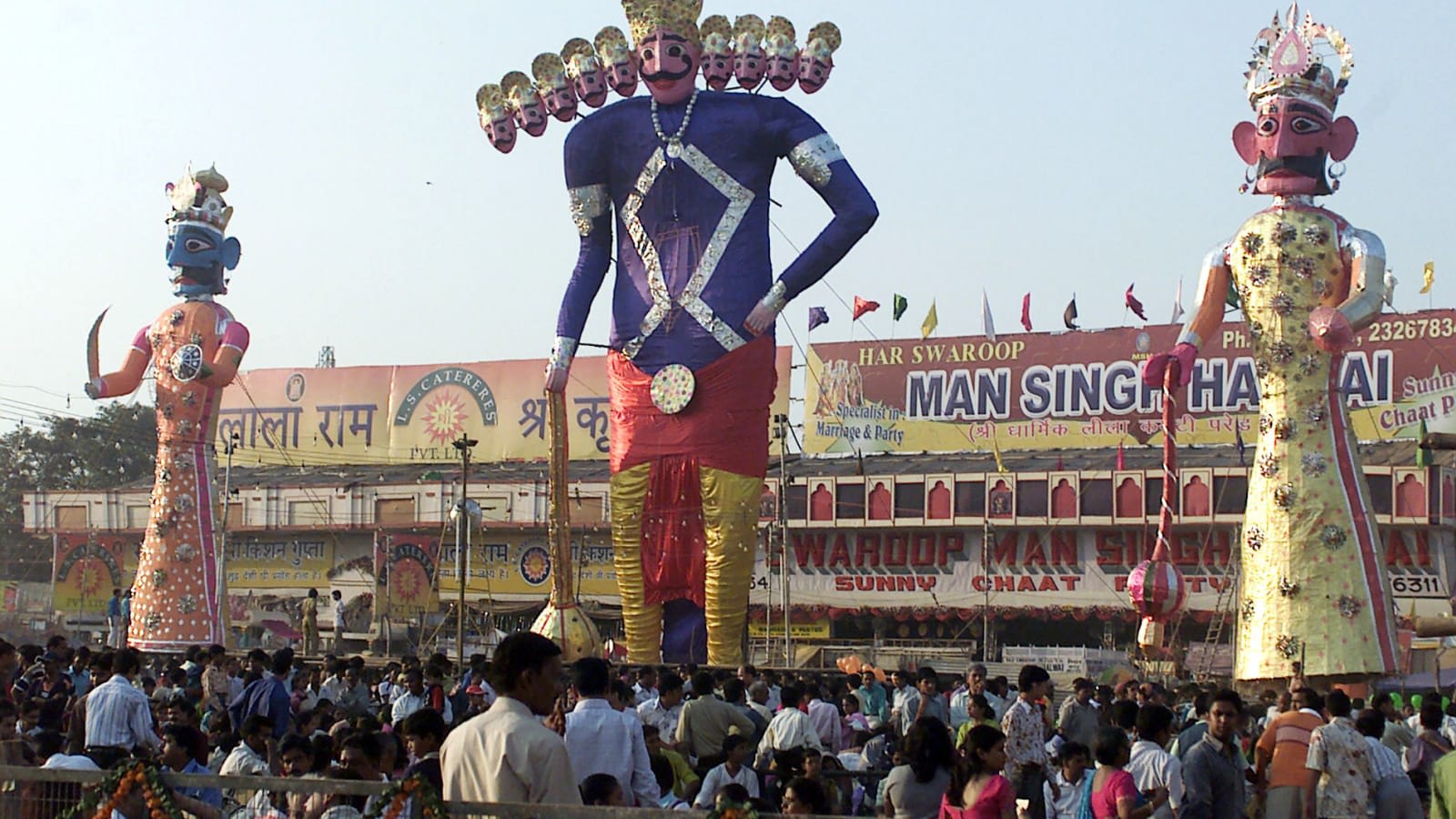
Prime Minister Narendra Modi has called on citizens, political parties, and institutions to present a united front against forces seeking to divide society, harm national dignity, or undermine Indian culture.
Speaking at the Vijayadashami celebrations at the DDA Utsav Ground in east Delhi on Tuesday, Modi identified these three tendencies as the foremost enemies of the nation, urging the country to recognise and overcome them.
"Forces that hurt the nation’s honour and dignity, people who divide society, and a mindset that hates our culture are enemies of the country," Modi told the gathering. Describing the festival as an enduring symbol of the victory of righteousness over evil, he insisted that political competition should never overshadow national security and cohesion.
What are the three threats PM Modi highlighted?
The prime minister defined the key internal and external challenges confronting modern India as:
- Forces working to diminish India's international standing and national self-respect.
- Elements seeking to fracture social harmony through divisive agendas.
- Mindsets displaying hostility toward indigenous heritage and cultural traditions.
Modi quoted Vedic verses to underline his appeal for institutional solidarity. "Let our thoughts be aligned. All the institutions of the nation, all political parties, let us stand together for the national interest," he said, insisting that collective determination must guide public life.
Building strength through self-reliance
Linking India's developmental momentum to self-belief, the prime minister invoked the life of Lord Ram as an example of overcoming immense obstacles through resourcefulness and collective action rather than external dependence.
He said this ethos directly underpins the government's push for an Atmanirbhar Bharat (self-reliant India) and the broader ambition of becoming a developed nation, or Viksit Bharat. A country can only advance, he argued, when it takes pride in its heritage and has complete confidence in its own resources and citizens.
As evidence of India's growing global cultural stature, Modi noted that more than 650 stolen antiquities and ancient idols have been recovered and brought back to the country over the past 12 years. He also pointed to global accolades, including UNESCO recognition for domestic heritage sites and celebrations, as markers of restored national prestige.
Governance rooted in Ram Rajya
Turning to domestic governance, Modi framed the concept of "Ram Rajya" as a model of inclusive development and social justice free from discrimination. Citing Ram honouring Shabari and embracing Nishad Raj, he stressed that public authority exists purely for welfare rather than control.
"The objective of power is not to rule, but public welfare," Modi said, reaffirming his administration's commitment to prioritizing the poor and marginalized while building modern national infrastructure.
His address followed remarks made earlier in the day in Nagpur by Rashtriya Swayamsevak Sangh chief Mohan Bhagwat, who pointed to recent political instability in countries such as Bangladesh, Nepal, Albania, and France while cautioning against attempts to trigger unrest within India.
Key numbers
| What | Figure | Source |
|---|---|---|
| Stolen idols recovered over the past 12 years | Over 650 | Prime Minister Narendra Modi |
In this story
| Name | Role in the story |
|---|---|
| Narendra Modi | Prime Minister of India who delivered the Vijayadashami address. |


