President revokes suspension of CRPF officer who criticised new policing law
Bidhan Chandra Patra was suspended in June after allegedly sharing posts calling to change the government during protests against controversial legislation.

President Droupadi Murmu has approved the reinstatement of a senior Central Reserve Police Force (CRPF) officer who was suspended in June after allegedly criticising new government legislation on social media.
Bidhan Chandra Patra, a Deputy Inspector General (DIG) from the force's 1994 batch, was officially reinstated on Tuesday, although a departmental inquiry into his actions will continue. The President approved the revocation of his suspension in late August, a decision conveyed to the CRPF on 27 August, with the force issuing its formal reinstatement order this week.
Mr Patra’s suspension under the CCS (CCA) Rules, 1965, came after he allegedly shared audio and video messages on social media protesting the passage of the Central Armed Police Forces (General Administration) Act, 2026. Officials claimed the posts went as far as calling for "changing" the country's lawfully established government.
What the dispute is about
At the heart of the row is a long-standing grievance between career officers within the Central Armed Police Forces (CAPFs) and the Indian Police Service (IPS).
The new law, which received presidential assent in April, formalised the practice of appointing senior IPS officers on deputation to lead the CAPFs. Under the Act, the top positions of Director General and Special Director General are reserved for the IPS, alongside at least 67 per cent of Additional Director General posts and up to 50 per cent of Inspector General roles.
In-house CAPF cadre officers, who spend their entire careers within these forces, have long argued that this system blocks their path to leadership. In 2025, the Supreme Court ruled in their favour, ordering a cadre review and directing the government to progressively reduce IPS deputations to give internal officers more opportunities.
Veterans and serving officers argue the government introduced the 2026 legislation specifically to bypass that Supreme Court ruling.
The inquiry and wider backlash
Mr Patra, a non-IPS cadre officer, had recently returned to the CRPF in April after a stint with the National Security Guard (NSG). He was posted to the Tripura sector headquarters in Agartala when he was suspended on 17 June.
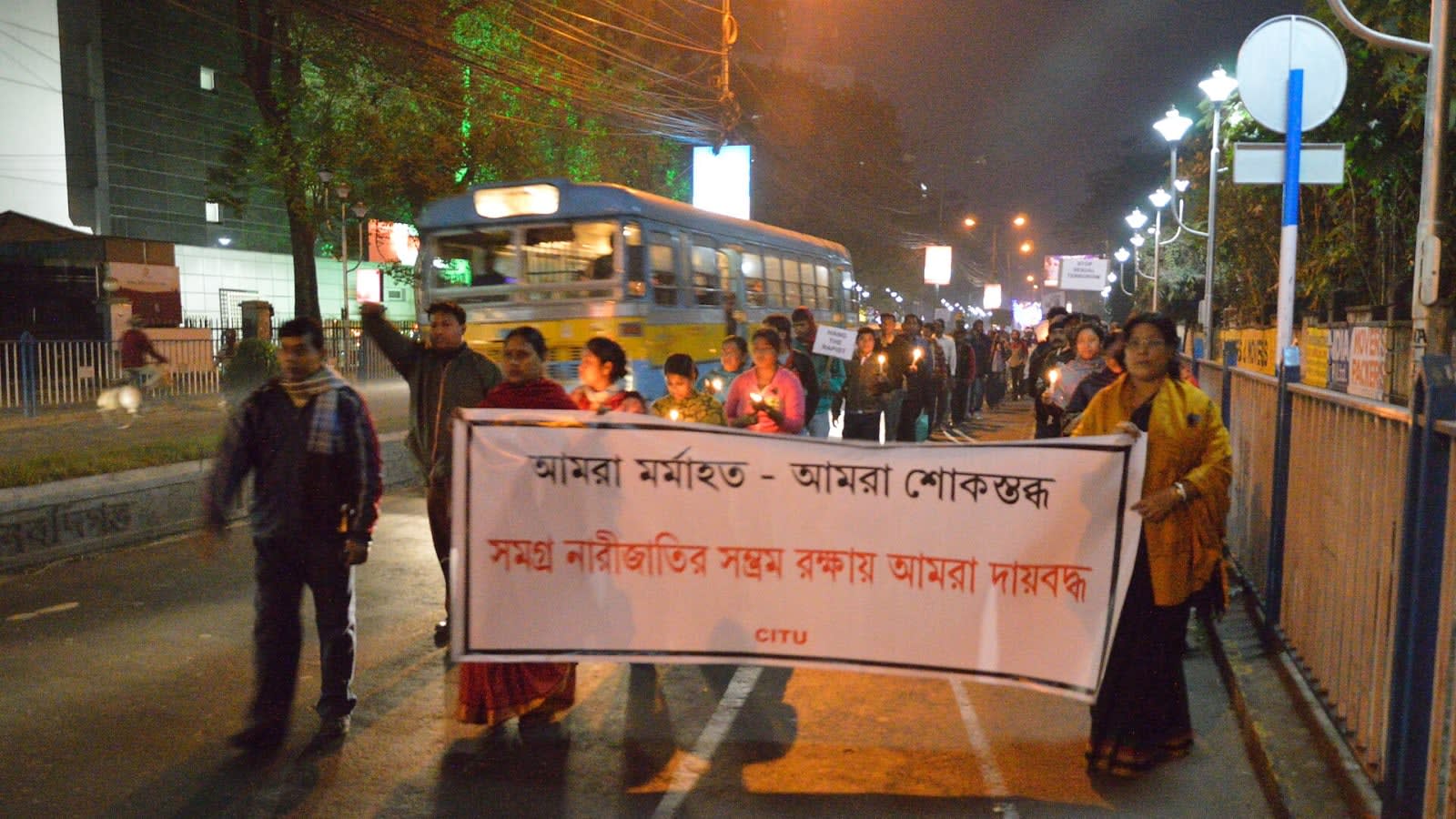
His suspension sparked immediate backlash from retired paramilitary officers, who claimed he was targeted because his family participated in protests against the legislation and because he shared videos of those demonstrations online.
An internal inquiry ordered on 10 June directed an Inspector General-rank officer to review all of Mr Patra's digital logs, encrypted communications, and WhatsApp messages over the previous 12 months. The inquiry was tasked with establishing whether he had violated the Official Secrets Act or leaked sensitive information.
While Mr Patra has been allowed back to work, the underlying tension over the new law is far from resolved. More than 3,000 Group A cadre officers—including gallantry award winners and female officers—have challenged the Act in the Supreme Court. Meanwhile, the Alliance of All Ex Paramilitary Forces Welfare Association has planned a sit-in hunger strike in New Delhi on 9 and 10 October to demand the law's withdrawal.
Key numbers
- At least 67 per cent
- More than 3,000
- 17 June 2026