ISRO completes Gaganyaan module separation tests ahead of first flight
The successful trial at Thiruvananthapuram clears the way for India's upcoming uncrewed G1 orbital mission.

The Indian Space Research Organisation has successfully carried out critical separation tests between the Crew Module and Service Module, clearing a major hurdle ahead of the first uncrewed Gaganyaan spaceflight.
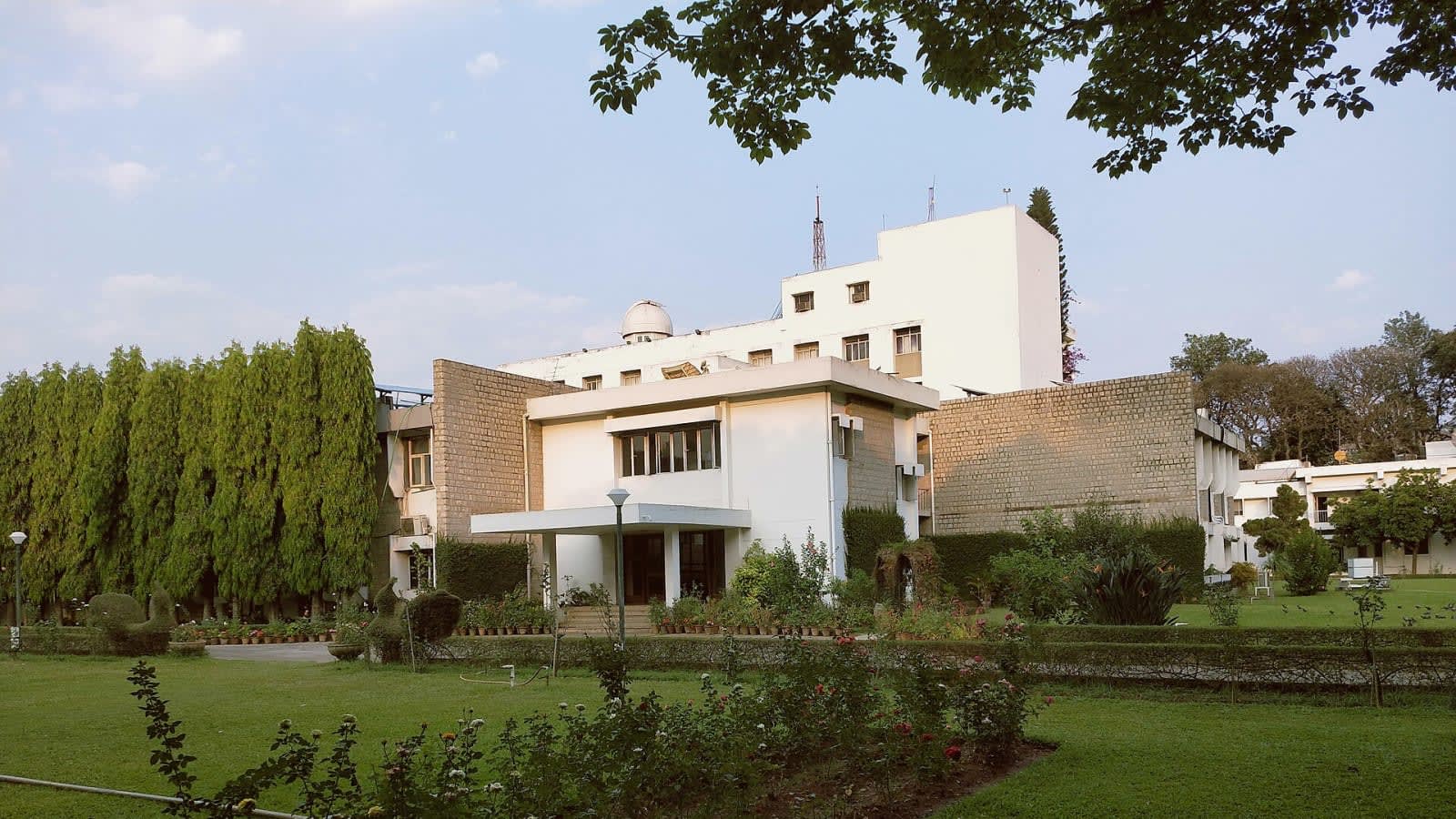
The ground tests, conducted at the Vikram Sarabhai Space Centre in Thiruvananthapuram, simulated the exact sequence required to detach the module carrying astronauts from its service craft just before atmospheric re-entry. The trial confirmed that the mechanical systems, pyrotechnic charges, and data links perform under the intense physical shocks experienced during orbital separation.
What happened during the test
During flight, the Gaganyaan Orbital Module operates as an integrated unit comprising two primary parts: the Crew Module, where the astronauts will live and work, and the Service Module, which houses propulsion and support infrastructure. The two remain physically and electrically linked throughout the launch and orbital phases via heavy umbilical lines that carry power, fluids, and data.
Before returning to Earth, the Crew Module must cut loose cleanly from the Service Module. That detachment relies on an intricate, split-second series of pyrotechnic cuts and mechanical jettisons.
ISRO said the test setup in Thiruvananthapuram simulated this sequence with high-density instrumentation. The trial cut through the umbilical connections and confirmed that the physical shock generated by the pyrotechnic devices did not compromise the sensitive gear packed inside the Crew Module.
Subsystems validated in the trial
Engineers monitored multiple flight-critical systems during the separation to ensure they could survive the acoustic and physical impacts:
- Inertial navigation and core avionics packages
- Thermal protection shielding across the aft and conical sections
- The deployable umbilical shield
- Pyrotechnic hardware for the crew module uprighting system
- Internal thermal and humidity control equipment
ISRO confirmed that the results provide the necessary operational confidence to proceed with the separation architecture for the upcoming uncrewed G1 flight.
Next steps for the Gaganyaan programme
The uncrewed G1 mission will serve as the maiden integrated test flight of the orbital craft, testing automated navigation, re-entry profiles, and sea-recovery protocols before any human flight is attempted.
The broader Gaganyaan programme aims to demonstrate India's indigenous human spaceflight capability by placing a three-member crew into a 400-kilometre orbit for three days. Following mission operations, the spacecraft will guide the Crew Module back through the atmosphere to a controlled splashdown in Indian territorial waters, securing India's place among an elite group of nations possessing independent crewed space launch systems.
Key numbers
| What | Figure | Source |
|---|---|---|
| Orbital altitude | 400 km | ISRO |
| Planned mission duration | Three days | ISRO |
| Planned crew size | Three members | ISRO |
| Test location | Vikram Sarabhai Space Centre, Thiruvananthapuram | ISRO |
In this story
| Name | Role in the story |
|---|---|
| Indian Space Research Organisation | The national space agency developing and testing the Gaganyaan spacecraft. |
| Gaganyaan | India's human spaceflight mission programme. |