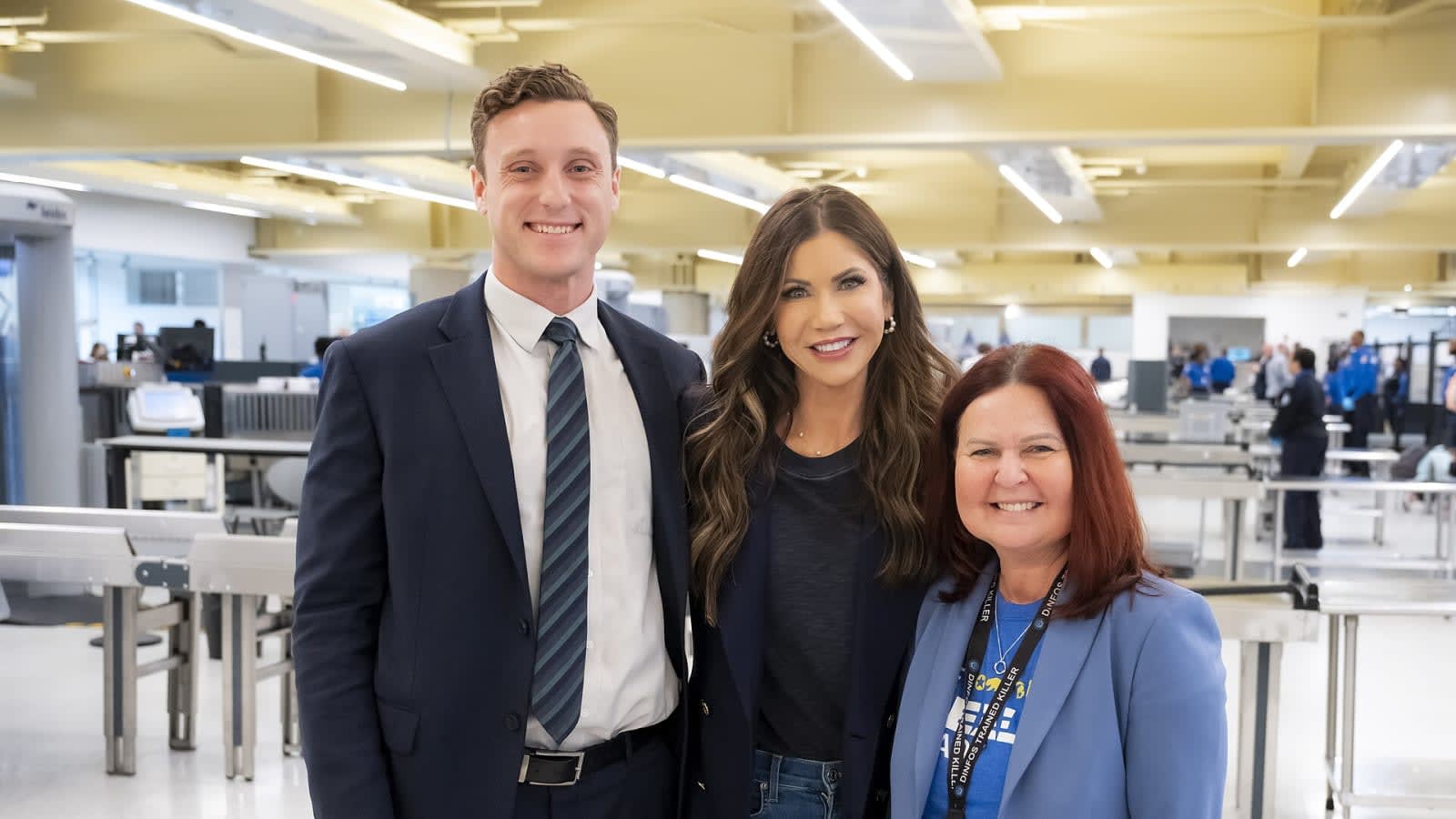
TSA bans checkpoint chairs for airport security officers
The agency claims standing up keeps staff alert and hospitable, but the union calls the stool ban a disregard for basic safety.

US airport security officers will no longer be allowed to sit down while checking passenger IDs and boarding passes under a new policy introduced by the Transportation Security Administration.
The TSA confirmed it is removing chairs from checkpoint lanes to keep staff on their feet. In a statement, the agency defended the decision as a way to project a more professional image and improve vigilance.
Why is the TSA banning chairs?
TSA officials argue that standing makes officers more alert and welcoming to travellers. "This welcome change reinforces both our security posture and our commitment to hospitality by having these officers on their feet and alert," an agency spokesperson said in a statement. The agency added that officers must meet "fitness for duty" standards to perform their security functions.
How has the union responded?
The American Federation of Government Employees Council (AFGEC), the union representing the officers, has fiercely opposed the ban. Union officials said they were shut out of the decision-making process entirely.
According to the union, the chairs are not a luxury or a perk, but a standard workplace adjustment. "These chairs serve as basic ergonomic and safety support for officers that stand and walk on hard surfaces all day," the AFGEC said. "TSA is treating this matter like it is a privilege – it is not; it is basic safety and common decency for the workforce."
The union described the decision as part of a wider pattern of "disregard for employee rights and safety" within the agency.
What is the context behind the dispute?
The policy shift comes after a bruising year for frontline airport staff. TSA officers recently went through a grueling 76-day government shutdown, running from February to April, during which they were forced to work without pay. The financial strain led to high rates of staff absences and a wave of resignations, triggering severe delays and long queues at airport checkpoints across the country.
While a presidential order by Donald Trump ensured workers eventually received back pay at the end of March, the funding crisis was only fully resolved when the US House passed a bill funding the Department of Homeland Security on 30 April.
At the same time, the union is fighting a new pilot programme that will expand the privatisation of security checkpoints at three US airports. The AFGE is currently reviewing its legal options to challenge the privatisation push and is actively lobbying Congress to intervene.
Key numbers
| What | Figure | Source |
|---|---|---|
| Duration of the recent government shutdown | 76 days | American Federation of Government Employees Council |
| Number of airports facing checkpoint privatisation | 3 | American Federation of Government Employees Council |
In this story
| Name | Role in the story |
|---|---|
| American Federation of Government Employees Council | The labor union representing the TSA officers |
| Transportation Security Administration | The federal agency enforcing the chair ban |