US eases airport security rules as experts warn of eroding counter-terrorism defences
The TSA is letting non-ticketed visitors back to gates and relaxing liquid bans, but security analysts warn of political diversion and institutional neglect.
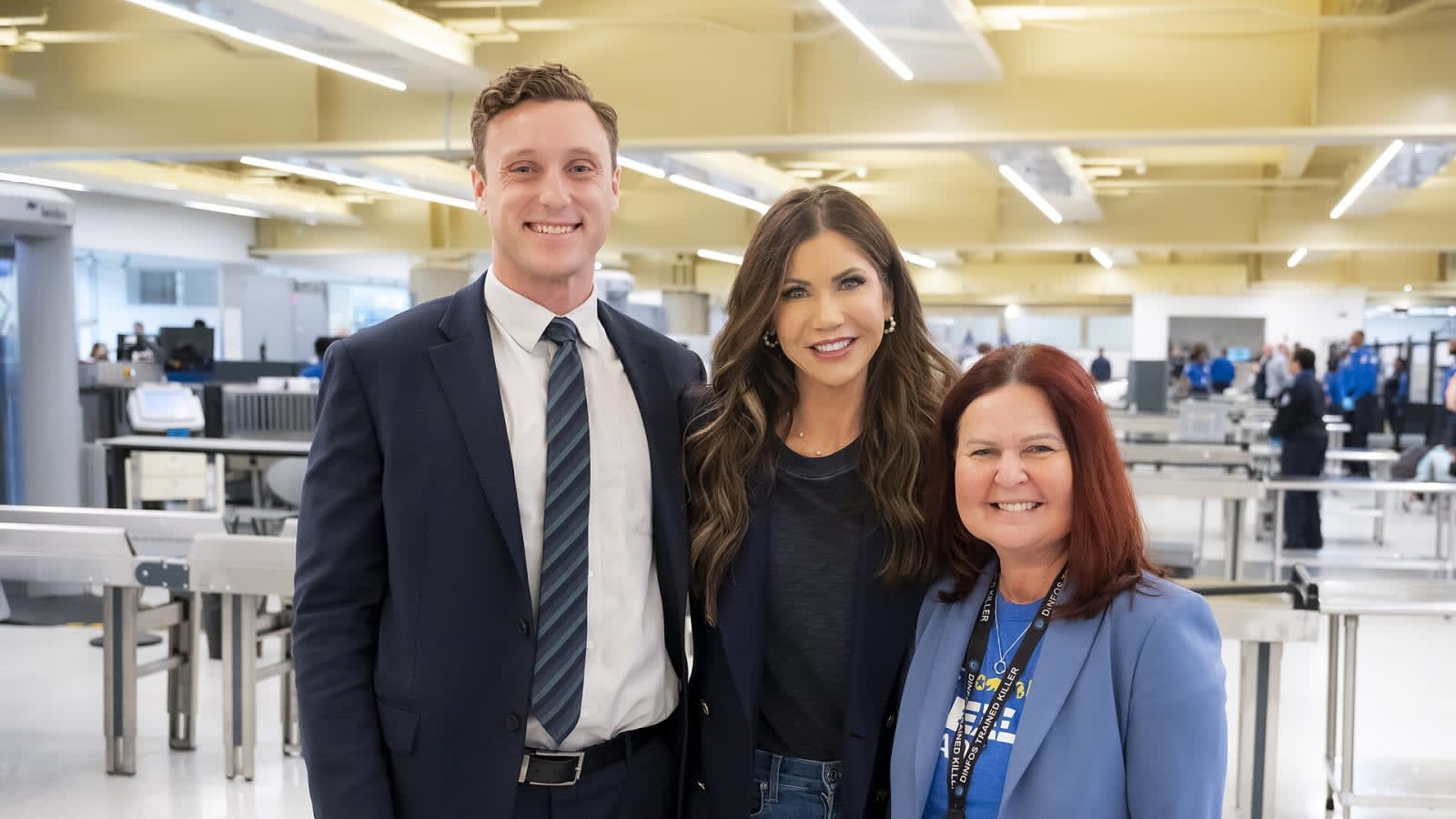
The US government is dismantling some of the most visible airport security measures introduced after the 11 September attacks, even as counter-terrorism experts warn that the country's wider security apparatus is being eroded by complacency and political diversion.
The Transportation Security Administration (TSA) has launched a new "Gateside" programme across 13 US airports, including Los Angeles, Dallas Fort Worth, Detroit, and Salt Lake City. The scheme allows pre-screened travellers holding TSA PreCheck to apply online up to three days in advance to meet arriving passengers or say goodbye at the gate—restoring a practice banned for nearly a quarter of a century.
This follows the decision last year to end mandatory shoe removal for regular passengers, a rule implemented in late 2001 after Richard Reid attempted to detonate explosives in his footwear on a transatlantic flight. The Trump administration is also considering lifting the 2006 ban on liquids for PreCheck travellers, allowing them to carry full water bottles. Aviation experts say modern computed tomography scanners are now sophisticated enough to detect liquid-based explosives without requiring passengers to empty their bags.
But as airport terminals return to something resembling a pre-9/11 normal, security experts warn of a quiet decline in the nation's broader defences. They argue that a pivot toward state competitors like Russia and China, combined with political interference, is leaving the US vulnerable.
Bruce Hoffman, a terrorism specialist at Georgetown University, warned a congressional committee earlier this year that budget cuts and personnel losses are "recreating the conditions of under-resourcing and institutional neglect that preceded the 2001 attacks".
Others point to a decline in morale inside the security services. Intelligence veterans have criticised the appointments of Tulsi Gabbard as director of national intelligence and Kash Patel as head of the FBI, arguing both lack sufficient top-level experience.
Meanwhile, a revised counter-terrorism strategy released by the administration in May has sparked anger. Critics say it politicises security resources—which are drawn from an $81 billion civilian intelligence budget—by focusing heavily on Mexican drug cartels and left-wing groups while downplaying the threat of far-right domestic extremism.
"The strategy appears more focused on a political agenda than the reality of the threat," said Devorah Margolin, a researcher at the Washington Institute for Near East Policy. She warned that expanding the definition of counter-terrorism to cover criminal gangs stretches dwindling resources even thinner.
The threat itself has not vanished, but evolved. Over 100 attacks by violent Islamic extremists have occurred in the US since 9/11, according to the Center for Strategic and International Studies. Don Rassler, director of strategic initiatives at West Point's Combating Terrorism Center, warned that a lack of recent mass-casualty attacks has bred complacency. With fewer counter-terrorism personnel, he said, the US will have to "accept more terrorist risk".
New technological vulnerabilities are also emerging. Keith Jeffries, a former TSA security director, noted that the transport sector now faces threats from artificial intelligence, cyber-attacks, and drones. "There is no such thing as the perfect security mousetrap," Jeffries said.
Key numbers
- 13
- $76.75
- $81 billion
- More than 100
Questions readers are asking
Why is the TSA relaxing airport security rules now?
The agency is leveraging more advanced security technology, such as computed tomography (CT) scanners, which can identify threat materials like liquid explosives more accurately than older systems, allowing some rules to be safely eased.
What is the Gateside programme?
It is a new TSA initiative trialled at 13 US airports that allows pre-approved, non-ticketed individuals to pass through security checkpoints to meet travellers at their gates or use airport facilities.