EU offers Canada historic associate membership as US trade relations fracture
European Commission President Ursula von der Leyen has proposed a unique alliance with Ottawa in the wake of collapsed US-Canada trade talks.
The European Union has invited Canada to become its first-ever "associate member", offering Ottawa a historic geopolitical lifeline as both powers struggle to navigate a bitter trade war with US President Donald Trump.
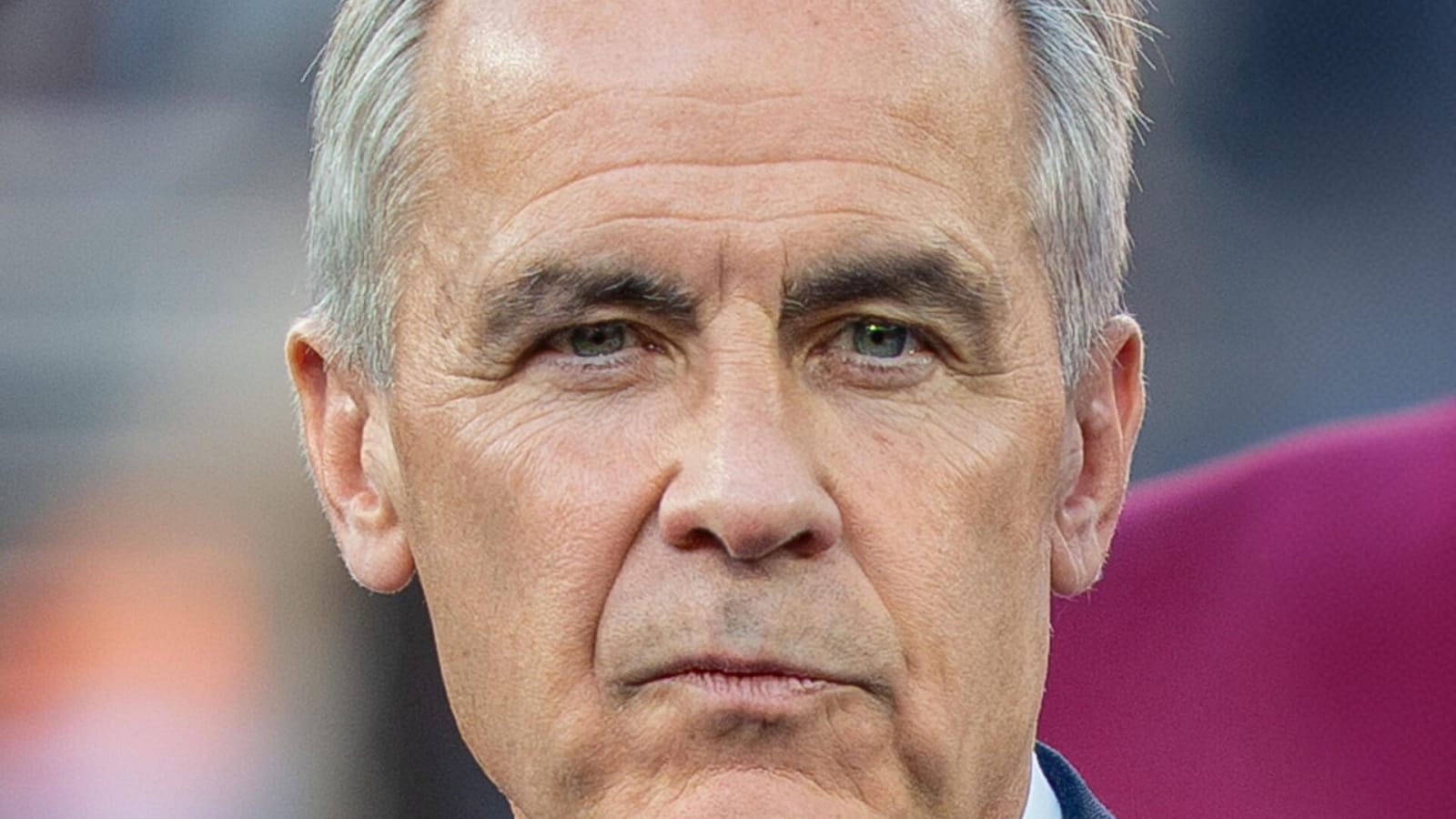
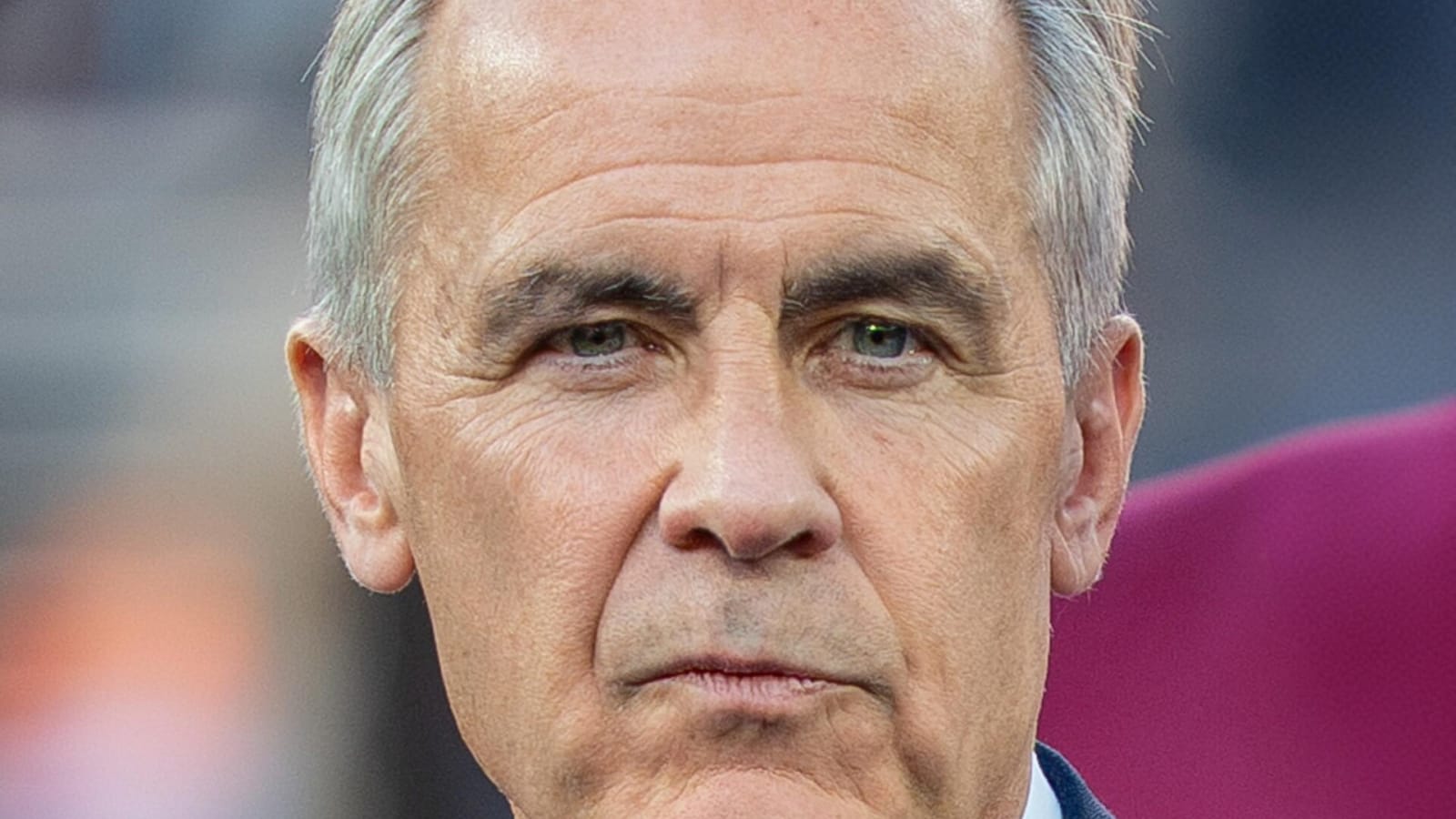
Speaking at the European Parliament in Strasbourg on Wednesday, European Commission President Ursula von der Leyen said she wanted to "open the door" to Canada to build a "unique alliance". Canadian Prime Minister Mark Carney, who has been seeking to reduce his country's overwhelming reliance on American trade, watched the address from the gallery. He is scheduled to address the parliament on Thursday.
The offer represents an unprecedented shift for the 27-nation bloc, which has never before offered any form of associate membership. While the EU maintains close economic ties with non-members like Norway and Switzerland, it has historically guarded the boundaries of its single market, refusing to let foreign countries pick and choose which rules they follow.
Shifting alliances
The proposal comes at a moment of deep fracture in North American relations. Trade negotiations between Canada and the United States collapsed last month, triggering a round of heavy tariffs. Relations have worsened further under the strain of Trump’s repeated suggestions that Canada should become the "51st state" of the US, alongside his administration's threats to annex Greenland from Denmark, an EU member.
While the EU avoided a direct trade war last year by accepting 15 per cent tariffs on various European exports, Carney took a harder line. Ottawa broke off trade talks and slapped retaliatory tariffs on billions of dollars of American goods—a combative approach that has won quiet admiration among European politicians.
Von der Leyen insisted the invitation was "not a partnership against anyone else", but rather a step to protect the international rules-based system. She outlined plans to upgrade the existing EU-Canada trade agreement into an "alliance for the future", focusing on defence, artificial intelligence, critical minerals, energy, and joint projects in the Arctic.
What associate membership actually means
Yet the path to any formal associate status remains highly uncertain. For one, the concept does not legally exist in the EU, and creating it could take years.
The bloc is also still struggling to finalise its existing relationship with Ottawa. Nearly a decade after the EU-Canada free-trade agreement was signed in 2016, ten EU member states—including France, Italy, and Poland—have still not ratified it.
Analysts suggest that rather than offering Canada partial access to the single market, "associate membership" is more likely to mean allowing Ottawa to plug into specific EU initiatives, such as the European Defence Agency. A summit scheduled for late October is expected to flesh out the details of the proposal.
Beyond Canada, Von der Leyen used her annual address to pitch a new European Security Council. This body would include non-EU allies like the UK and Ukraine, aimed at coordinating defence efforts as Trump continues to question the future of the Nato alliance.
Key numbers
- 10
- 15%